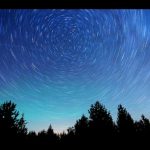
This Wednesday and Thursday, plant your lawn chairs under the stars for a nighttime light show as the Perseid meteor shower hits its peak.
While there are more than a half dozen major meteor showers this year, the Perseid is among the brightest. “If you see one meteor shower this year, make it August’s Perseids or December’s Geminids,” NASA said. “The Perseids feature fast and bright meteors that frequently leave trains, and in 2015 there will be no moonlight to upstage the shower.”
Perseid’s peak activity meteor count is up to 100 meteors per hour, with a meteor velocity of 37 miles per second. It is active from July 13-August 26, but hits a peak August 12-13.
It’s recommended to find a watch site away from city lights with a clear view of the sky. Experts also say to avoid looking at your cell phone or any other light as they destroy night vision. Binoculars and telescopes narrow field of vision, so ditch those, too. And don’t forget to bring a few cold beverages and close friends for happy meteor hunting.