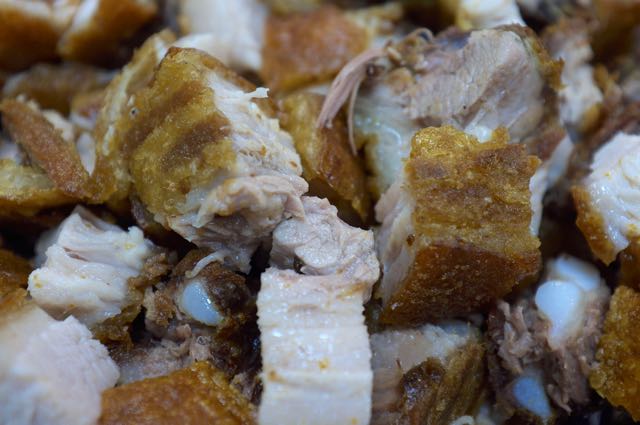
 Lechon kawali (Pat Padua).
Don’t recognize that word on your dinner or drink menu? Sick of surreptitiously Googling at restaurants? Menu Decoder is your guide to obscure ingredients popping up on local dinner and cocktail menus.
Filipino food is distinct from other southeast Asian cuisines in that it has been heavily influenced by the Spanish, who colonized the island nation in the 16th century and ruled for more than 300 years. They brought New World ingredients like tomatoes and corn, and popularized dishes centered around meat and dairy products that were expensive and thus eaten primarily on holidays. You’ll also taste influences from other Asian cultures, particularly China, whose traders introduced foods like soy sauce, tofu, bean sprouts, and bamboo shoots. Rice and rice noodles are staples on every table, but people eat their meals with cutlery, not chopsticks. While chilis are common, Filipino dishes are not known for being especially spicy. With the rise of Filipino cuisine in D.C., we present you with a guide to some common dishes.
Lumpiang shanghai: Chinese-style crispy fried egg rolls usually stuffed with ground pork, shredded carrots, and minced onions served with sweet and sour dipping sauce or banana ketchup. The related lumpia are fresh spring rolls stuffed with any number of fillings, potentially including bean sprouts, jicama, chicken, tofu, sweet potato, ground peanuts, coconut heart, and more.
Sinigang: Hot and sour soup with tamarind paste and kalamansi (Filipino lime) juice.
Kinilaw: Raw fish marinated in coconut vinegar, often along with ginger, garlic, onions, chilis, and lime juice. You might call it Filipino ceviche.
Atchara papaya: Shredded green papaya pickled in vinegar and sugar with onions, garlic, ginger, peppers, and salt. Served as a salad or as a side to liven up meats or heavy dishes.
Pancit: At its most basic, pancit is rice noodles. They are usually jazzed up by stir-frying them with various meats, vegetables, and soy sauce. You might also see this dish called pancit bihon or pancit guisado.
Adobo: The unofficial national dish of the Philippines. To make it, the chef slowly cooks meat (typically chicken or pork) in vinegar, soy sauce, garlic, black pepper, and bay leaves. Sometimes the chef will brown the meat after braising it to get it crispy around the edges. Adobo takes its name from the Spanish word for “marinade,” which was a more common use for vinegar in Spain.
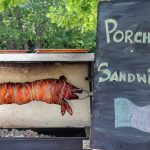
Lechon: Suckling pig, spit-roasted whole, resulting in crispy skin and tender meat.
Sisig: Grilled pork (traditionally from the pig’s head) served on a sizzling platter with onions and green chilis
Pinakbet: A northern Filipino dish of mixed vegetables steamed in fish sauce. You might expect to find eggplant, okra, bitter melon, squash, and long beans, possibly with the addition of pork and/or fermented shrimp paste.
Tapsilog: A popular Filipino breakfast dish. Tapsilog is actually a combination of three words: “tapa” (dried beef, like jerky) “sinangag” (fried rice) and “itlog” (fried egg), which should give you a pretty clear idea of what to expect when you order it.
Longanisa: Cured and marinated Filipino pork sausage. “Longsilog” is a breakfast dish like tapsilog, served with pork sausage instead of beef jerky.
Champorado: Not to be confused with the creamy Mexican chocolate drink called champurrado, the Filipino version is a sweet chocolate porridge made with sticky rice, eaten for brunch or a midday snack, often with salted dried fish (!).
Ube: Purple yam, often made into ice cream.
Turan: A sweet deep-fried plantain or banana, eaten as a snack or dessert.
Halo halo: A dessert parfait of shaved ice and evaporated milk mixed with sweetened kidney beans and garbonzos, cubes of flavored gelatin, and fruits like sugar palm fruit, jackfruit, plantains, macapuno (a mutant coconut whose flesh is jelly-like), and more. Fun fact: “halo-halo” means “mixed together” in Tagalog.
Where to find it:
The D.C. area has gotten a windfall of new Filipino restaurants this year, so there are no many more places to sink your teeth into vinegar-spiked crispy pig and deep-fried bananas. The most hyped among them is Bad Saint (3226 11th St. NW), which finally opened in a tiny space in Columbia Heights earlier this month. The menu features a mix of classics and creative takes on Filipino flavors, all served as small plates, plus Asian-influenced cocktails.
A few blocks west, you’ll find Purple Patch (3155 Mount Pleasant St. NW), with a half-Filipino, half-American menu that reflects the tastes of co-owners Patrice and Drew Cleary. (She’s half-Filipino, half-Irish.) They cook up one of the more unique brunches around, including purple yam pancakes with fried pork and coconutty macapuno syrup.
Every Thursday, Friday, and Saturday evening through January 2016, Kalye Filipino Food pops up at EatsPlace (3607 Georgia Ave. NW). Try Filipino street foods like barbecued pork belly, grilled squid, and bok choy in peanut sauce.
Bistro 7107 (513 23rd St. S, Arlington, VA) in Crystal City has been serving Filipino dishes since well before the current craze began. They’re known for their crispy pata pork and sisig made with pig’s ears.
For that classic hole-in-the-wall with authentic and cheap Filipino food experience, make your way out to Seven Corners and hop on a bar stool at Fairfax Inn Restaurant (2946 Sleepy Hollow Road, Fairfax, VA). They’re known for their breakfasts, which they serve all day.