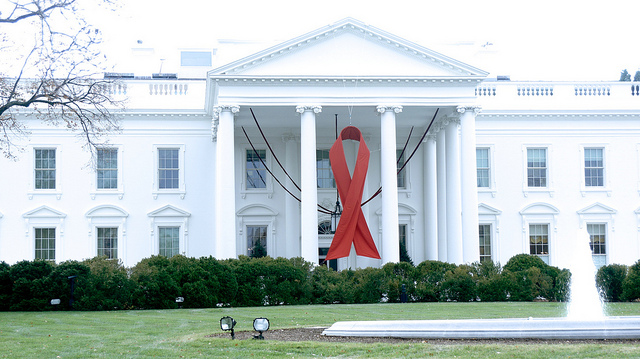
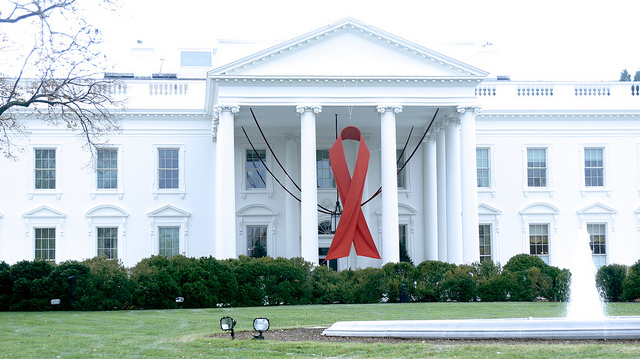
 Photo by Ted Eytan
For the seventh year in a row, the District has experienced a decrease in annual new HIV cases, according to the Interim HIV/AIDS Surveillance Report, released today by the District’s Department of Health.
The report shows preliminary data for 2014, which includes 396 new HIV cases— a 29 percent decrease from the 553 cases reported in 2013. The highest number of HIV cases was reported in 2007 with 1,333 cases. Since then, numbers are down by 70 percent.
And for the first time, the DOH will define known transmission for all new cases by sexual contact and/or injection drug use, according to a release.
This approach is inclusive across sex, gender, and types of sexual intercourse, acknowledging the diversity in gender identity among District residents. With this data reporting, DOH aims to reduce stigmatization on sexual contact and prevent the misclassification of transgender cases. DOH will report to the Centers for Disease Control and Prevention (CDC) defined sexual modes of transmission for men and women. For transgender persons, DOH will utilize general sexual contact and injection drug use modes of transmission categories thus reducing stigmatization and enhancing the quality of reported data.
“We are promoting an inclusive approach to the HIV epidemic as part of our strategy to reduce barriers and develop effective and scientific-based strategies to achieve a HIV-free generation in the District,” said Dr. LaQuandra Nesbitt of DOH.
Last year, on World AIDS Day, Mayor Muriel Bowser signed the HIV Fast-Track Cities Declaration, outlining goals to end the world’s AIDS epidemic by 2030.
For the District, this means that by 2020, “90 percent of D.C. residents with HIV will know their status, 90 percent of persons living with HIV will be in treatment, 90 percent of persons with HIV will achieve viral load suppression.” Bowser said. In addition, “the District will see a 50 percent decrease in new HIV cases.”