Rachel Kurzius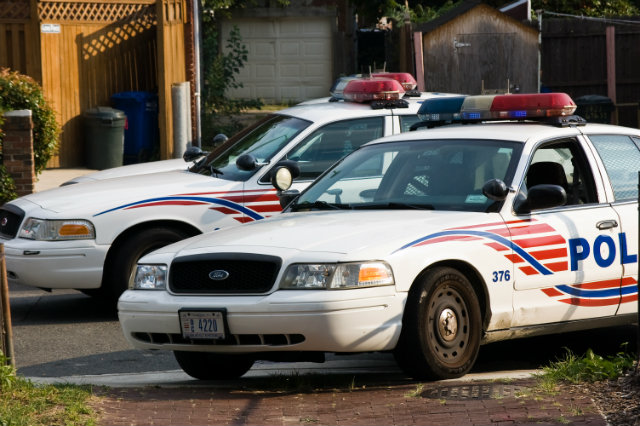
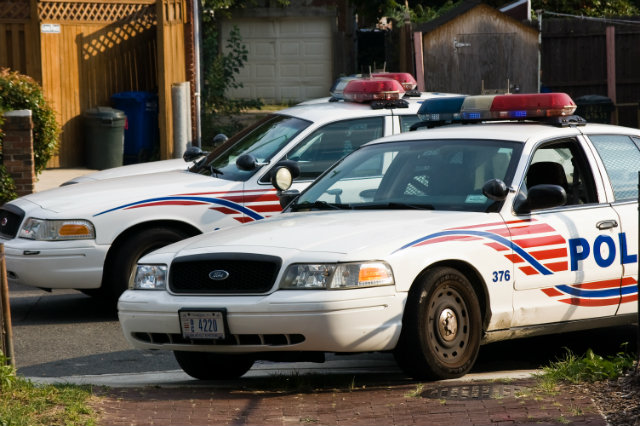 Photo by Chris DiGiamo.
D.C. Police are conducting some raids on the wrong homes, thanks to broad warrants that allow them to cite officers’ “training and experience” rather than evidence of criminal activity, according to a new investigation from The Washington Post.
The Post reviewed 2,000 warrants served between January 2013 and January 2015, and found that 14 percent, or 284 of them, justified searching a residence after arresting a person on the street for possession of either drugs or weapons, and looking up an address through court records, rather than observing criminal activity at the residence.
And how often did that practice lead to results?
In about 60 percent of the 284 cases, police executing the warrants found illegal items, ranging from drug paraphernalia to guns, The Post found. The amounts of drugs recovered were usually small, ranging from residue to marijuana cigarettes to rocks of cocaine. About 40 percent of the time — in 115 cases — police left empty-handed.
There’s a racial element to the raids, as well.
Almost all of the 284 raids occurred in black communities. In 276 warrants in which The Post could determine a suspect’s race, just three originated with arrests of white suspects. The remaining 99 percent involved black suspects. In the District, 94 percent of people arrested in 2013 for gun or drug charges were black, according to FBI crime data.
Attorney Alec Karakatsanis, who founded Equal Justice Under Law, has filed seven separate lawsuits against D.C. and individual officers for the raids. “During their violent home invasions, police officers have busted into homes — without probable cause — and terrorized the people within, including handcuffing disabled residents, strip searching people as they cook dinner, and pointing loaded guns at naked children,” the website says.
For their part, the U.S. Attorney’s Office, D.C. Attorney General, and D.C. Police all defended the practice to the Post or in public filings.
“In the vast majority of those warrants, contraband and evidence was recovered in furtherance of criminal prosecutions, and gave MPD the ability to bring closure to multiple victims of crimes in our city,” D.C. Police Chief Cathy Lanier said in a written statement to the Post. “During that same time frame, MPD received very few complaints regarding the execution of those warrants.”