Rachel Kurzius
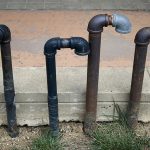
 Photo by Mr.TinDC.
Updated with comment from Shawn McCoy.
More than 500 people retweeted a dire warning from Shawn McCoy, publisher of InsideSources, this morning. “DC RESIDENTS: Do not drink your tap water. Story breaking soon,” it said.
What were the goods to justify such an alarming message? A story by David Eldrige titled “Flint Whistleblower: Health Impact of DC Water 20-30 Times Worse than Flint,” published a few minutes later. Scary stuff, indeed.
The only problem? The story is about the lead content in District water more than a decade ago, in the early 2000’s. It features an interview with Virginia Tech professor Marc Edwards, who co-authored a 2009 study about the contamination. “Edwards told InsideSources he has lingering concerns about the estimated thousands of lead pipes that remain in the District’s water system.”
John Lisle, D.C. Water spokesperson, calls the tweet “very irresponsible. The publisher sends out this tweet this morning with no context. Then the story comes out and there’s nothing in it that shows people should be avoiding D.C. tap water today.” He says that D.C. Water has asked McCoy to retract the tweet, to no avail so far.
McCoy told DCist over email that Edwards continues to have unanswered questions about the safety of D.C. Water—which he says the agency has not adequately addressed. “Their response to this report so far has been to circle the wagons and suggest it’s a non-story.” He said that InsideSources will have more reporting on the issue of lead in D.C. tap water.
He also told Washington City Paper that he would “absolutely not” delete or respond to the tweet. “I am never again drinking my tap water,” he said.
D.C. Water fired back with a tweet of its own.
Our lead levels remain historically low. Get the facts at https://t.co/ccgvshJ2BS
— DC Water (@dcwater) March 17, 2016
Lisle says that “since 2004, lead corrosion has been controlled at the Washington Aqueduct. We do a great deal of testing and continue to monitor lead levels.” Having lead pipes—even now—is not unusual, he says. “A lot of cities have lead pipes and lead service lines, and there are a lot of properties in D.C. that still have lead pipes.”
The difference between D.C.’s lead pipes today and those in Flint, Michigan, where lead contamination in the water has led to deaths and hearings on Capitol Hill, is that Flint “didn’t add anything to mitigate corrosion” in the pipes, which is what led to the high lead content in the water, Lisle says.
D.C. Water offers free test kits for residents concerned about lead in their tap water.
This isn’t the first time McCoy has made a questionable judgment call.
Don’t Drink The Water Guy has a stunning history of accurate predictions so https://t.co/1VteGsB66b
— Craig Plazure (@CraigPlazure) March 17, 2016