 Rachel Sadon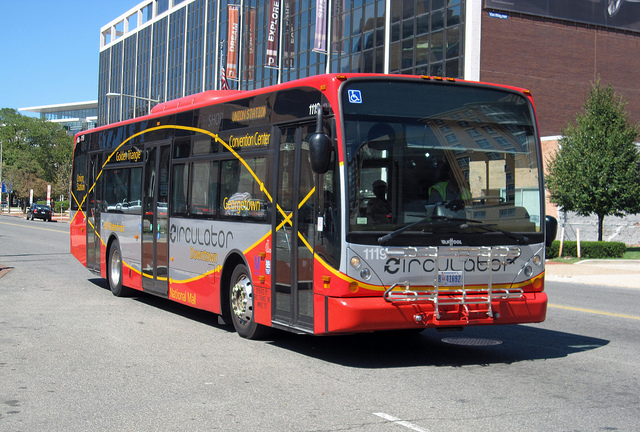
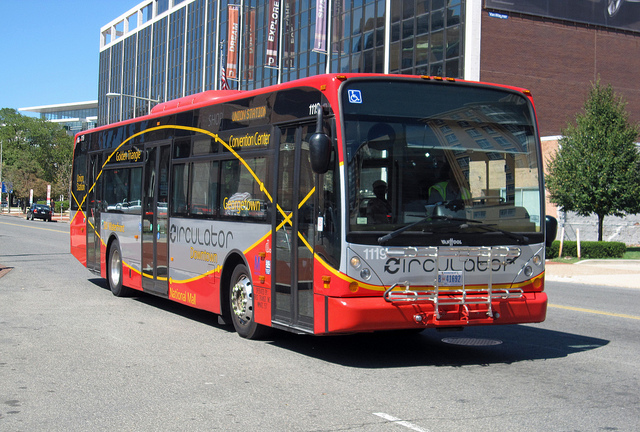 Photo by StreetsofWashington
This post has been updated with additional comment from DDOT
If you thought that taking the Circulator was a safer bet than Metro, well, sorry to burst your bubble.
Two recent audits have concluded that the state of the Circulator fleet, which is run by a private contractor called First Transit, is pretty much a mess.
The Amalgamated Transit Union has released data from an audit they completed at the end of last month, coming away with similar results to an audit by an independent consulting firm. DDOT hired the Transit Resource Center to conduct the study in August but the results were only revealed yesterday.
The ATU surveyed categories that WMATA and New York’s MTA would consider “safety-related defects” that would require a bus to be taken out of service, finding that 90 percent would need to be pulled from the road to be evaluated by a mechanic. Meanwhile, the Transit Resource Center’s study found that 95 percent of the buses they inspected had an “unacceptable” safety problem that should be fixed before continuing to take passengers.
While DDOT owns the buses, WMATA oversees the work by First Transit.
“The exceptionally high number of defects is an indication that First Transit, although proven highly capable at other transit locations, has fallen short in providing the DDOT fleet with adequate maintenance. Likewise, WMATA has not fully carried out its responsibilities to provide sufficient oversight of First Transit,” the Transit Resource Center’s audit reads.
Of of the 42 buses they looked at, only two didn’t have “serious defects.” In total, they found 924 defects, for an average of 22 per bus.
“We are alarmed by the findings of this audit and it runs counter to every management principle we respect in terms of placing the safety of our passengers and operators first,” DDOT director Leif Dormsjo told WAMU.
Dormsjo said in a statement that the agency has seen “substantial process” since the audit was completed in August, as a result of pressure from WMATA. “The safety-related defect rate on Circulator buses has declined from 2.9 per bus to 0.5 per bus. The number of maintenance bays for Circulator buses has increased from two to three and the number of maintenance technicians has increased from four to six,” he wrote. Another audit will be completed in May.
The Circulator is in the midst of a long-term expansion effort, which will add several routes (like the recently inaugurated Mall service) and extend others.
Members of ATU held a press conference this morning outside the Wilson Building to draw attention to the issues. According to their audit, which looked at 29 buses in March, 47 percent of the fleet has brake defects, 22 percent had engine problems, and 20 percent had accessibility issues.
“If Mayor Bowser and DDOT do not act on this information now, we’re going to have another preventable transit disaster in a city that’s rightfully sick of them,” said ATU Local 1764 trustee Sesil Rubain. “It’s outrageous that as they shake their fists about WMATA’s failures, Mayor Bowser’s administration ignores the dangerous situation that they know they have on their hands at the Circulator.”
The union is currently in collective bargaining negotiations with First Transit; they say that fair wages and safety are their top priorities.
ATU Local 689, which represents Metro and streetcar workers, also launched a #TransitLivesMatter campaign today, in which they are encouraging members to wear red and blue bracelets with the hashtag, to draw attention to assaults on transit workers.