 Rachel Sadon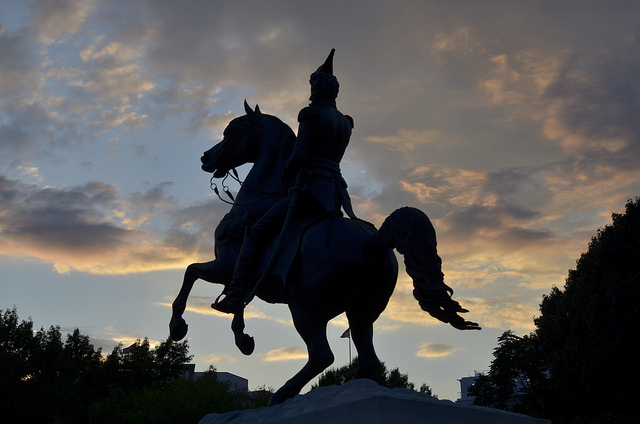
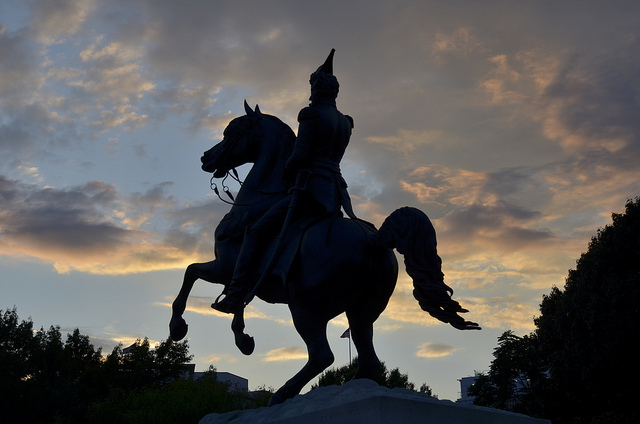 The National Park Service is looking for new ways to memorialize people and events away from the National Mall. (Photo by Lesley)
We aren’t done enshrining people in marble or historic events in bronze. But the thing is, the National Mall is running out of space.
So the National Park Service is looking for creative ideas, launching the “Memorials for the Future” competition in conjunction with the National Capital Planning Commission and the Van Alen Institute. Applicants are tasked with considering “how the next century’s memorials will be woven into the capital’s urban public spaces, largely located off the National Mall.”
NPS is seeking a framework for how to plan and design commemorative projects going forward. Specifically they are looking at “approaches to and forms of memorializing” that “demonstrate how temporary, mobile, interactive or adaptive displays can provide powerful and memorable experiences that are cost-efficient; develop ways to commemorate that are inclusive of multiple narratives and have the potential to be flexible as perspectives change; and honor the scale, context and national significance of Washington, D.C.”
In other words, they want ideas for more flexible, scaled-down—perhaps interactive or temporary—ways to commemorate the things that are important to the nation.
“While we are proud of our tradition, we need to challenge ourselves to think creatively about the future,” said NPS Regional Director Bob Vogel.
And that future is likely to lie outside the monumental core. The competition brief names the Belvedere, apparently the parkland between the Kennedy Center and the Lincoln Memorial, as a possible site that is near the National Mall; Randle Circle or Tenley Circle as examples of residential/mixed-use settings; and Hains Point as the kind of natural site that could play host to new memorials.
“This competition is a remarkable opportunity to consider ways to make our commemorative landscape more inclusive and accessible, expanding our ideas for who and how we memorialize,” said National Capital Planning Commission executive director Marcel Acosta in a statement.
Teams (which must include at least one architect, urban designer, planner, or artist) have until May 4, 2016 to submit their ideas. The top three finalists will be given $15,000 to complete their vision, and a winner will be announced in the fall.