Rachel Kurzius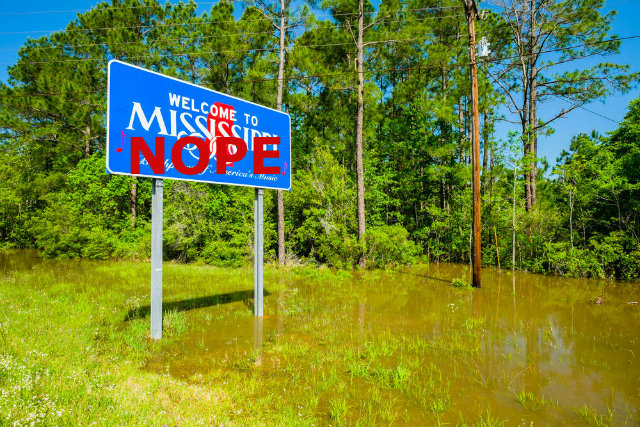
 Image via Shutterstock.
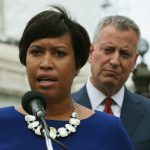
Mayor Muriel Bowser has banned D.C. government-funded travel to Mississippi, where Gov. Phil Bryant signed a law last week that allows businesses to refuse service to gay people. This follows Bowser’s order at the beginning of the month to ban official travel to North Carolina, after the passage of that state’s anti-LGBTQ law.
The mayor announced the ban in a newsletter from the Office of LGBTQ Affairs, which reads, “Mississippi recently enacted the Religious Liberty Accommodations Act which permits business and non-profit groups to use religious beliefs as justification in refusing to provide services or uphold decision, such as workplace policies, to people on the basis of their sexual orientation or gender identity … In our city, LGBTQ people are protected from discrimination in housing, education, public accommodations, and government services.”
Bowser is part of the newly formed coalition “Mayors Against Discrimination.” In addition to banning travel to North Carolina and Mississippi, the group says it will “work together to examine prohibitions on contracting and purchasing from companies in these states, develop model resolutions that can be adopted by city councils and other legislative bodies, and other measures that Mayors and cities can take individually and collectively.”
So far, the Mississippi ban has not resulted in any cancellations, though the official travel ban to North Carolina has already resulted in the cancellation of one DDOT trip. DC Water, which passed its own ban on traveling to the Tarheel State, also scuttled a presentation at a Charlotte conference, and said it would be reviewing the Mississippi law as well.
Last year, the mayor banned travel to Indiana following its passage of a bill that would allow for discrimination of people in the LGBTQ community, rescinding the order after the language in the law was changed.
At-large Councilmember David Grosso introduced legislation last week that would ban all city-funded travel to states with laws codifying anti-gay discrimination, rather than have the mayor sign orders on a case-by-case basis.
The bill is still being reviewed by the mayor’s office, according to spokesperson Jordan Bennett.