 Rachel Sadon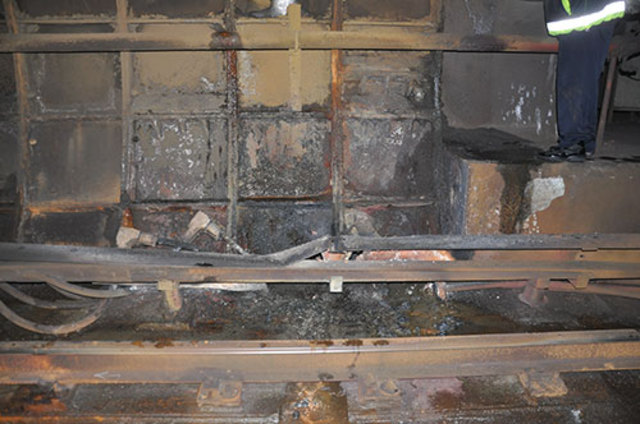
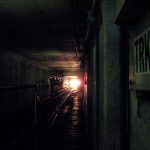
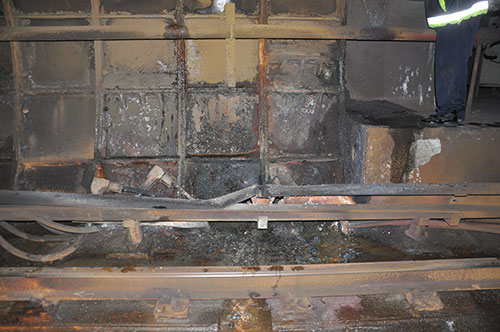 Damage from the 2015 smoke incident. (Courtesy of the NTSB)
Thirteen investigations (nine of which occurred after 2004) and 101 safety recommendations later, and the National Transportation Safety Board is still saying essentially the same thing: the safety culture at WMATA is broken.
“When the NTSB finds itself issuing a continuous stream of accident reports to address the basic safety management of a single transit rail system, something is fundamentally flawed; Here, that something is safety oversight,” NTSB Chairman Christopher Hart said today.
The agency released its findings today in the January 2015 smoke incident, namely that it was caused by a “prolonged short circuit” that was the result of “ineffective inspection and maintenance practices.”
Even worse, safety board officials said, is that if WMATA had followed its own procedures and stopped the train at the first sight of smoke, the train would never have entered the tunnel. Carol Glover, a 61-year-old grandmother, died after being exposed to the smoke more than 40 minutes. Her family and dozens of other victims have sued WMATA.
The safety board also said that Metro engaged in a practice of sending trains loaded with passengers to check on reports of smoke, which WMATA says it no longer does.
Important NTSB clarification: Metro does NOT use trains w/passengers to inspect for smoke. Trains are offloaded if used to inspect. #wmata
— Metro (@wmata) May 3, 2016
Previous reports from the Federal Transit Administration have cited “serious safety lapses” and “distracted and understaffed workers” as among the issues that continue to plague WMATA—even after nine people were killed on the Red Line in 2009. “These are serious findings that strongly indicate that, despite gains made since the Fort Totten accident, WMATA’s safety program is inadequate,” U.S. Secretary of Transportation Anthony Foxx said last year.
Today, Hart, once again, said basically the same thing: “A disturbing picture emerged: many of the same organizational and oversight shortcomings that we cited in 2009 continue to plague WMATA. Little or no progress has been made toward building a meaningful safety culture.”
In no uncertain terms, the National Transportation Board said in the fall that the current oversight system for Metro is inadequate and recommended that the Federal Railroad Administration (which typically oversees freight and passenger lines, such as Amtrak and MARC) take over from the Federal Transit Administration. For a city that has never jumped at the thought of more federal meddling, the recommendation was generally cheered. But U.S. Transportation Secretary Anthony Foxx rejected that plan, and instead instituted direct federal oversight of WMATA.
NTSB officials today continued to insist the FRA should have oversight.