 Rachel Sadon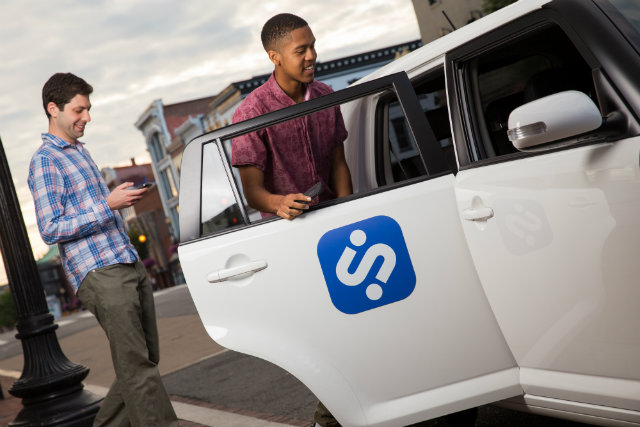
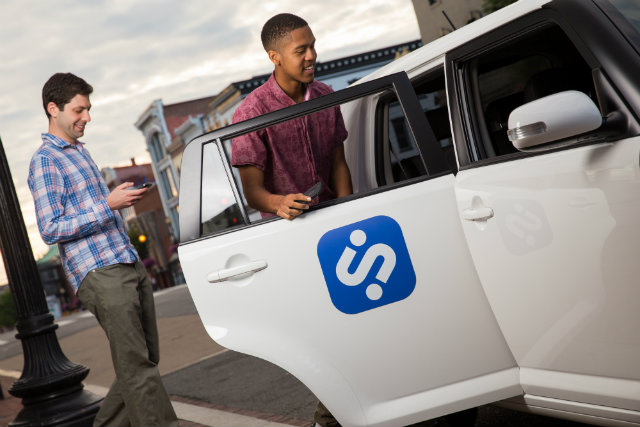 (Photo courtesy of Split)
The name, it seems, was prescient.
D.C.-based ridesharing app Split is calling it quits after a little bit more than one year of offering shared rides. “The time has come for us to start a new chapter,” the founders wrote in a note sent out to customers today. Service will cease on October 3.
“We are basically refocusing our attention,” says Ario Keshani, the CEO and co-founder. “We think there’s a real opportunity to leverage our technology, to use our technology, to have more meaningful impact by working with cities and businesses.”
The company won attention for its seemingly rock bottom price point, which started at $2 a ride plus $1 per mile. The model—drivers would pick up and drop off other riders along the way—was gaining currency as Uber Pool and Lyft Line popped up in the District around the same time, helping to normalize the idea of sharing rides with strangers (the hazards of smelly passengers, arguments, and being hit on not withstanding). Both companies have been aggressively expanding and pushing their respective services, including offering deals in the wake of SafeTrack.
“Nothing happens in a vacuum,” Keshani says, acknowledging the company’s competitors.
“They’re extremely well-capitalized, they have taken a high subsidy approach. We felt that the market was quite saturated.”
Instead the staff will work on other products that are meant to ease some of the same challenges that ridehailing apps attempt to address: traffic, transportation networks that don’t have complete coverage, fewer people wanting to own cars. They hope to create a new suite of products aimed at cities, and even private companies, that makes use of their algorithm and decision mapping software.
“We want to use the knowledge base we’ve built in ways that will make it easier to move people, more cost effective, and better quality of service,” Keshani tells DCist.
For drivers who will be out of a job come Monday, Split has made an arrangement with their lead investor, Transdev, to offer alternative jobs. Keshani says the positions will involve driving for a WMATA contract. Split itself will remain based in the District.
And thus Split now joins Sidecar and Hailo on the trash heap of rideahailing apps that didn’t make it. But newcomer Via, which moved into (parts of) the D.C. market last month, thinks it has what it takes. And so the cycle of ridehailing life continues.