Rachel Kurzius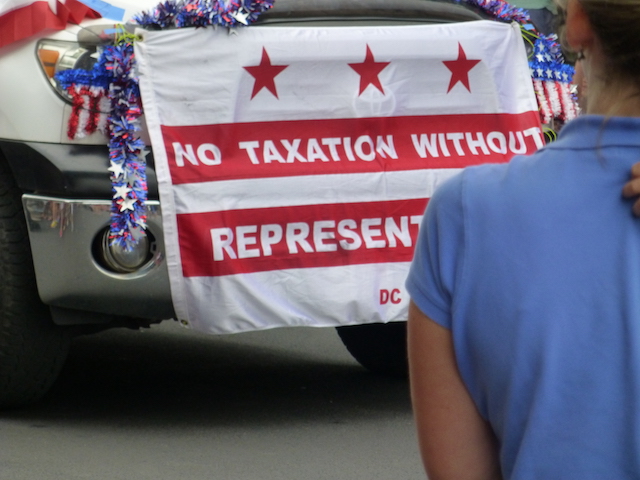
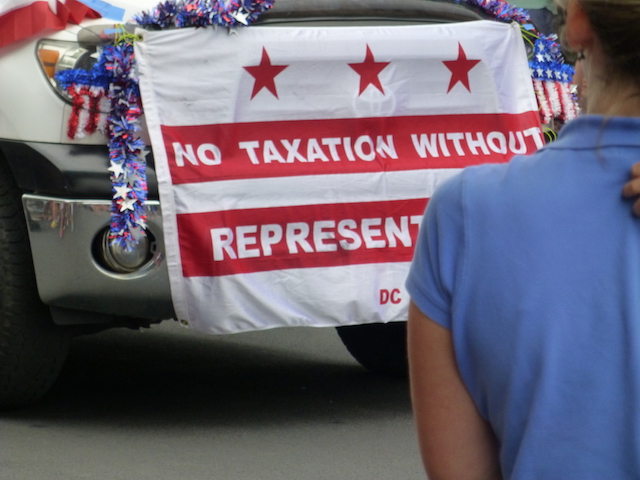 Photo by Mike Licht.
Following a series of amendments, the D.C. Council today approved of the draft constitution that will appear on November’s ballot. One major change? The name of the maybe-soon-to-be state.
Screw New Columbia, the council said (I’m paraphrasing). Meet the State of Washington D.C., where the D.C. stands for Douglass Commonwealth, after famed abolitionist and D.C. resident Frederick Douglass.
The city has been called Washington for more than 225 years, officially becoming Washington D.C. when the capital was incorporated in 1871.
The New Columbia Statehood Commission explained that it chose the name “New Columbia” because the city voted in favor of it at the constitutional convention in 1982, though Mayor Muriel Bowser said she was “personally not opposed to a discussion about the name.”
While the vast majority of D.C. residents support the District becoming the 51st state, the draft constitution that residents will vote on in November has been the subject of controversy.
Statehood activists have raised concerns about the process of creating it, arguing that the constitutional conventions earlier this summer were too rushed and top-down.
The plan, as put forth by Bowser on Emancipation Day, is to have residents approve the constitution at the ballot box as one of four questions, which also include whether D.C. should become a state, if voters approve of the borders, and whether they promise to support its elected representative government.
If the measure wins, D.C. would then petition to Congress for admission as a state (Tennessee became a state this way in 1796.)
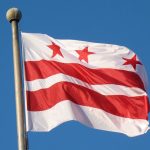
With Republicans in charge, chances of adding another star to the flag look grim. Ohio Governor John Kasich admitted that he opposed the measure because statehood would mean “more votes in the Democratic Party.” The current GOP-led Congress has sought ways to limit D.C. budget autonomy and otherwise limit residents’ self-governance.
The outcome of this year’s election could change the District’s chances for success on this front, though, and Dems say the House is back in play. The party included support for statehood in its national platform, and Democratic nominee Hillary Clinton pledged to be a “vocal champion for D.C. statehood.”
For the most part, the D.C. constitution builds off existing government structures. The commission said that this is to ease the city’s transition to statehood, though the size of the legislature has switched from 13 to 21 members—two from each ward, four at-large members, and a speaker of the House of Delegates (which replaces the D.C. Council).
The council made other changes, as well, to address concerns about who has the final say over the constitution during a second convention, to be held two years after statehood. As proposed by At-Large Councilmember David Grosso, citizens vote on whether to approve changes made by elected delegates, rather than the 21-person legislative body.
That convention will put everything back on the table for discussion, from delineations of power to the state’s name.
Josh Burch, an organizer with Neighbors United for DC Statehood who’s been critical of the process, says the amendment was “the right thing to do” because it “really got to the heart of my concerns and the concerns of many activists.”
He’s not bullish on the District’s chances of becoming a state in the next few years, though, largely because there’s still no plan in place to take back control of the court and prison system and “we haven’t created a political movement and the political will nationally.”
You can read the full constitution as approved by the D.C. Council, with changes from the New Columbia Statehood Commission’s original proposal highlighted in red:
The Constitution of the State of New Columbia by Rachel Kurzius on Scribd