 Rachel Sadon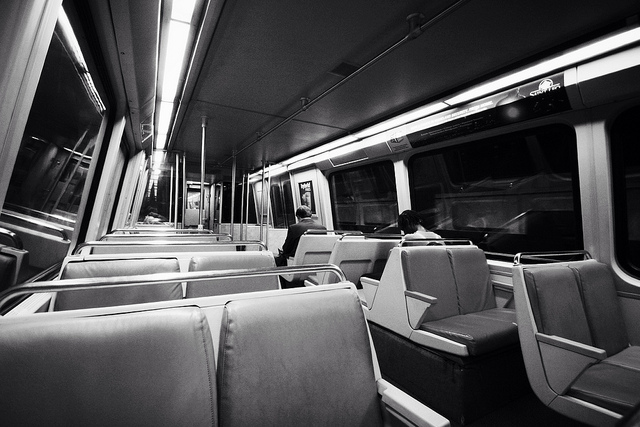
 (Photo by Paul Cortez)
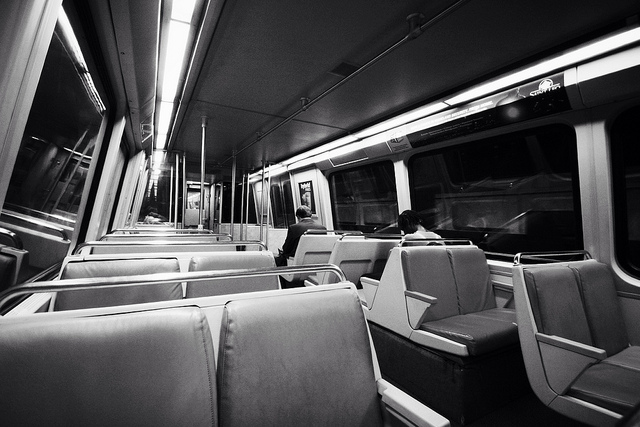
Metro is no longer using its 4,000-series cars in the lead position after WMATA discovered a safety issue with the automatic train control system.
The transit agency originally announced that it was removing all 82 cars in the series from the system entirely, but now says they will continue to be used in the center of the train. “Doing so does not pose a safety concern,” WMATA said in a release.
As a result of the change, Metro says, there may be fewer 8-car trains in the next few days.
Here’s how they explain the issue:
Metro’s ATC system keeps trains properly spaced and a safe distance from other trains by displaying “speed commands” on a control panel in the operator’s cab. When operating in “manual mode,” the train operator responds to the speed commands, which indicate the train’s maximum authorized speed relative to the train’s location and distance from other trains. Train operators receive “zero speed commands”—indicated by a double zero —hen the train is not authorized to move (i.e. the equivalent of a “stop signal”).
Albeit remote, Metro railcar engineers believe the potential exists for an undetectable failure of the 4000-series ATC system control board that could result in improper speed commands being given to a train when a 4000-series car is in the lead position./blockquote>
Metro said it has just learned that the cars’ manufacturer recommends annual testing for the issue, which is not currently being done.
The 4,000-series has been in service since 1991 and they’ve plagued the system ever since. Even Metro calls it the “smallest and least reliable” of the fleet.
The transit agency has ordered more than 500 of the shiny new 7,000-series cars with the intent of entirely removing both the 4,000-series and the 1,000-series (which has been in service since the system’s opening in 1976). In yesterday’s release, WMATA said they might consider speeding up the retirement of the 4,000-series cars.
Removing them from the lead position “is being taken in an abundance of caution,” Metro General Manager Paul Wiedefeld said. “While we believe that the risk is small, it is a risk I am unwilling to take. Everything we do here is going to put safety first, no matter what.”