Rachel Kurzius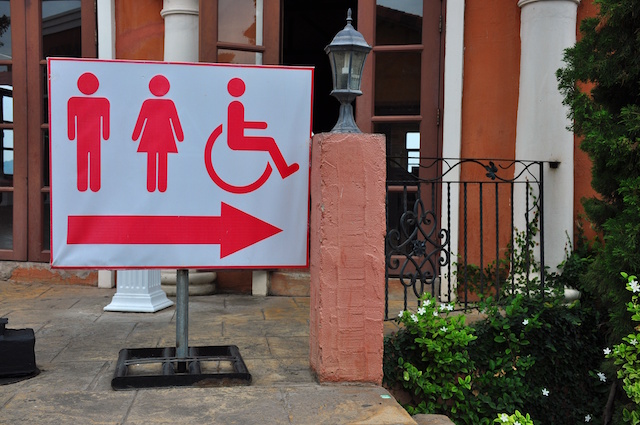
 Image via Shutterstock.
Toilets are often a flashpoint for the conversations we’re having about our societal values, from race-segregated facilities of the Jim Crow era to the current “bathroom laws” that discriminate against transgender people.
Now, Ward 1 Councilmember Brianne Nadeau is looking for a way to bring public toilets to Washington D.C. with a bill introduced on Tuesday that would create a task force to explore the issue.
“Lack of access to public restrooms is an issue which affects many residents, but its effects are particularly felt by residents experiencing homeless and people with unique restroom needs such as pregnant women, people with disabilities and the elderly,” said Nadeau in a statement. This term, she is the chair of the council’s Human Services Committee.
D.C. saw a spike in its homeless population in 2016 to 8,350, a 14 percent increase from 2015, according to a point-in-time count. Less than 4 percent of the homeless population is unsheltered, but even in shelters, bathroom access has been an issue. When the council was debating replacement facilities for D.C. General last year, the question of private bathrooms was a contentious point of discussion.
The new bill, co-introduced by At-large Councilmembers Anita Bonds, David Grosso, Elissa Silverman, and Robert White, as well as Ward 6’s Charles Allen, would establish a “Public Restroom Facilities Task Force” of 20 that includes representatives from a number of city agencies like the Department of Health, Department of Human Services, D.C. Police, Public Works, and more, all of whom must be District residents and who wouldn’t be paid.
They’d look into initiatives in other jurisdictions that either provide restrooms for free or 24/7, incentivize businesses to keep their bathrooms open, or increase access to The task force would examine cost, locations, and which kind of public restrooms help people with “urgent bathroom needs” (the draft lists pregnant women and people with disabilities as examples) access existing bathrooms.
The People for Fairness Coalition took up the cause of public restrooms in the summer of 2014. In a report that looked at five busy neighborhoods, the group found eight restrooms it categorized as clean and safe that were open at all hours, six of which were privately owned.
Public Restroom Facilities Task Force Establishment Act of 2017 by Office of Councilmember Brianne K. Nadeau on Scribd