 Rachel Sadon
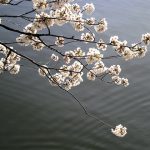
 (Photo by Joe Flood)
Though the cherry blossoms take up an outsize amount of our tree-watching attention span, those looking for the first signs of spring should actually look to a patch of land near the D.C. War Memorial. There, one would come across a patch of flowering apricot trees, the National Mall’s earliest-blooming trees.
They’ve been awash in fragile white and light pink blossoms for more than a week.
There are hints of an early spring all over the place, with crocuses pushing out of the soil, honeysuckles starting to bloom, and bits of greenery livening up otherwise bare branches. Other signs are rather less subtle, like the full force of pollen attacking the allergy afflicted.
Scientists and observers who track nature’s cyclical phenomena, a field known as phenology, put the District at 22 days ahead of schedule for spring. In tracking the season’s progression, the USA National Phenology Network (which is largely funded by the US Geological Survey) found varying degrees of early spring across nearly the entire southeastern U.S.
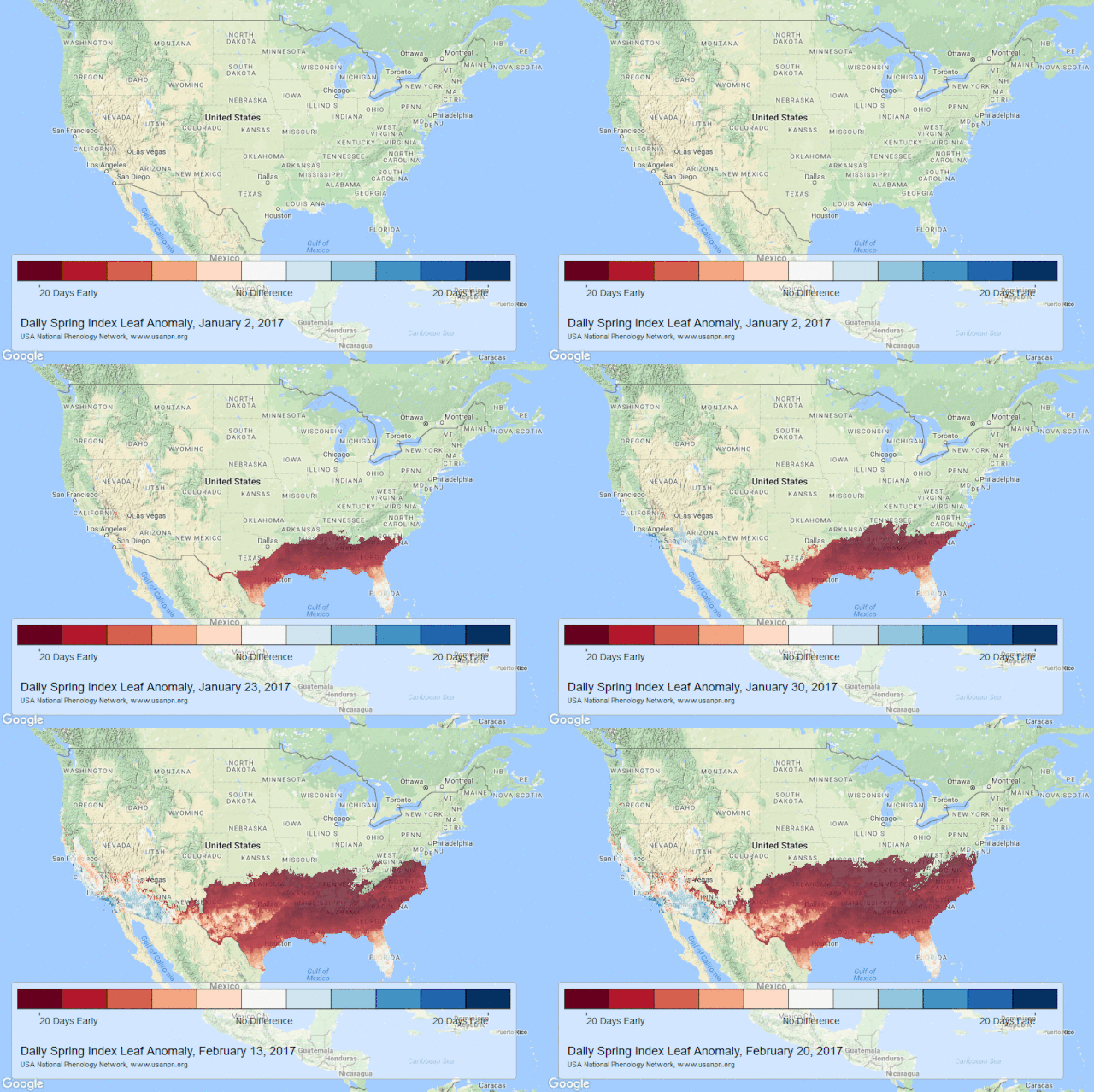 (Courtesy of the USA National Phenology Network)
“While these earlier springs might not seem like a big deal—and who among us doesn’t appreciate a balmy day or a break in dreary winter weather—it poses significant challenges for planning and managing important issues that affect our economy and our society,” said Dr. Jake Weltzin, a USGS ecologist and the executive director of the USA-NPN, in a blog post.
A recent study that employed the same methodology to make the maps above found that spring is coming early in 76 percent of national parks, and just over half of parks are seeing “extreme” early springs (meaning they “exceed 95 percent of historical conditions”).
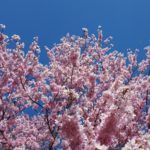
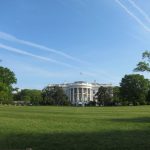
On the nation’s front yard, there have even been reports of several cherry blossom trees in bloom. National Park Service spokesman Mike Litterst says they are likely the Autumn Flowering Cherry, a typically fall blooming varietal of the Higan Cherry Tree that often alarms people when it adds some resplendent pink to the scenery during warm spells in November or December.
The famed Yoshino cherry trees aren’t too far behind, though. They have already entered into the first of the six-stage bloom process. “We’re certainly expecting that [peak bloom] is going to be earlier than average,” Litterst says. The park service will announce its official prediction on Wednesday.
For its part, the Capital Weather Gang isn’t quite ready to call it quits on winter. The Post’s meteorologists report that we’re likely to see a return to cooler temperatures in the second week of March and snow isn’t necessarily out of the picture in one of the year’s most weather volatile months (according to CWG, it has snowed at least an inch in March for three of the past four years).
But by another barometer, spring is definitely here. One dormant beer garden, the appropriately named Garden District, is throwing open its doors this afternoon. The owner cut short a trip to Mexico after seeing the forecast in D.C., Washingtonian reports.
Now we just need to know what to call this delightful/worrisome bit of unseasonality.
We need a word to convey the delight of a beautiful day in February with the anxiety of knowing this is probably a result of global warming.
— Matt Fuller (@MEPFuller) February 23, 2017