Rachel Kurzius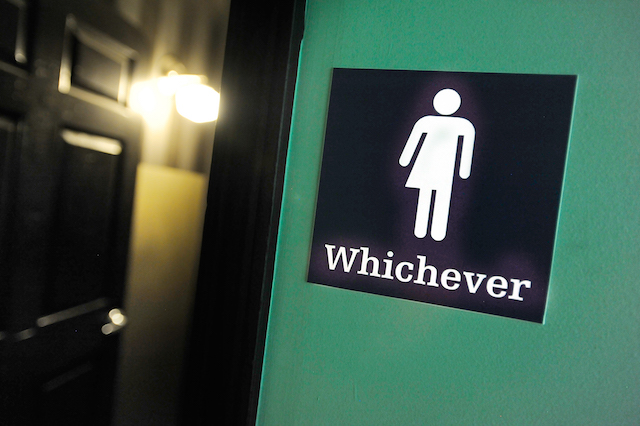
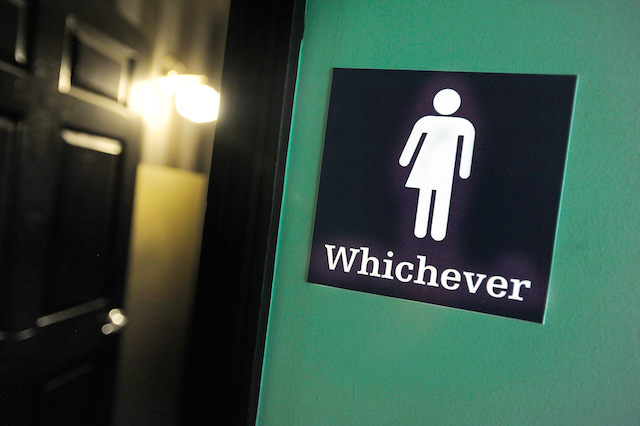 (Photo by Sara D. Davis/Getty Images)
There will be signs and protest chants outside the White House tonight, as there so often are these days. But this Friday night, there will also be ample twerking.
The group WERK for Peace, which organized the queer dance party outside Vice President Mike Pence’s Chevy Chase rental home, is working with Empowering the Transgender Community and the Trans Women of Color Collective on the protest, which is designed “to uplift trans youth, to celebrate them, and to bring voices of color to this issue,” says Lourdes Ashley Hunter, the executive director of Trans Women of Color Collective.
The dance protest comes after the Trump administration rolled back Obama-era guidance for schools designed to protect transgender students, including allow them to use whichever bathroom fits their gender identity.
Fifty-nine percent of transgender people avoided public bathrooms in the past year out of fear of confrontation there, according to the U.S. Transgender Survey. Thirty-one percent have avoided eating to drinking so they wouldn’t need a bathroom, and 8 percent report a kidney or urinary tract infection in the past year from not going to the restroom.
“It’s a shame that this administration is attacking children,” says Hunter. “It’s so petty—how petty can you be?”
Even though the protest is outside the president’s house, Hunter says Donald Trump “is not our target audience. Our target audience is parents of trans kids, trans youth, and trans people of color, who oftentimes are left out of these spaces.”
Beginning at 5:30 p.m. on the north side of the White House, there will be dancing, then a brief intermission for speeches from Hunter and others, and then more boogying. Hunter’s current favorite song to cut a rug to is Migos’s “Bad and Boujee”, which she hopes will play tonight. Organizers are firming up the playlist during a conference call this afternoon.
The dance protest is also raising money for Trans Women of Color Collective, an organization that has existed for three years and “uses art and culture as a way to heal from trauma and raise our voices,” says Hunter.
“It’s important that we not only raise awareness, but raise funds as well,” she says, noting that many of the rally’s attendees “will go to their dance party and then back to their happy hours, while trans youth of color are homeless.”
She also plans on raising issues like high rates of trans unemployment and job discrimination, and the murders of trans women of color. There have been at least four so far in 2017 nationwide.
D.C. Police last week arrested a fourth suspect in connection with the murder of Deeniquia Dodds on July 4.
“What we know is that we’re not going to be able to end these murders until we can create socioeconomic stability and opportunity for transgender women to support themselves,” says Hunter.
2.77 percent of the D.C. population identify as transgender, which adds up to an estimated 14,550 people, according to a study by UCLA’s Williams Institute.
Learn more about the dance protest here.