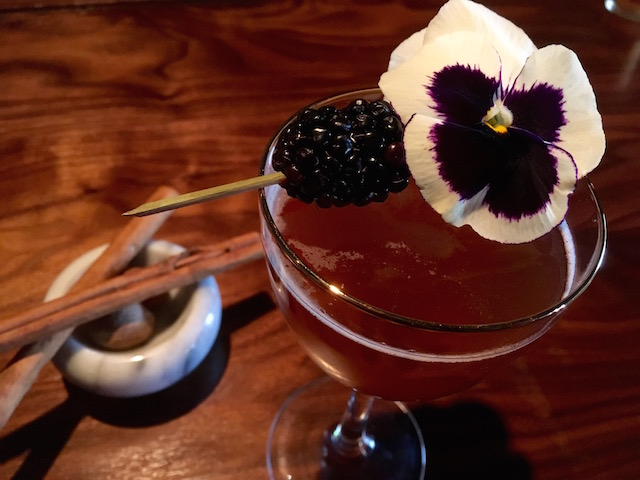
D.C.’s distilling industry has grown by leaps and bounds in the past few years. And it is now possible to craft cocktails—and even entire cocktail menus—using only spirits and ingredients like tonics and bitters produced here in the District. And bartenders are jumping at the chance to help put our city’s distilling scene on the map.
Whether they are using a locally distilled gin or a bourbon blended in the city limits, the one thread connecting many of these cocktails is Don Ciccio & Figili’s (6031 Kansas Ave. NW) Italian-inspired liqueurs.
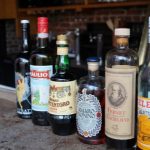
Italian hospitality entrepreneur Francesco Amodeo opened the small liqueur distillery in 2012 using the recipes of his great grandfather’s distillery on Italy’s Amalfi Coast. Over the next four years he grew Don Ciccio & Figili’s product line to fourteen amari and liqueurs. With a recent expansion to nationwide distribution, his spirits are popping up all over the country. But it’s here in the District where they get their local appeal.
“People want ‘local, local, local,’” says brand ambassador Jonathan Fasano. “We love being the complements to liquor distilled in our city. Now you can make an all-D.C. Negroni,” he says.
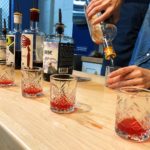
This cocktail, made with Don Ciccio’s Luna Amara, Capitoline rosé vermouth and Green Hat gin, is available at the distillery for $8. Visitors can also get free tasting of the spirits themselves, which reveals just how versatile their infusions of spices, herbs, and fruits can be.
Amodeo’s longtime friend in the hospitality industry, Antonio Matarazzo, asked him to create a cocktail menu for his restaurant, Lupo Verde (1401 T St. NW). Each of the 15 drinks features at least one of Amodeo’s spirits.
The Alberto is Lupo Verde’s flagship local drink with Catoctin Creek rye (from nearby Purcellville, VA), Don Ciccio Finnochietto fennel and dill liqueur, fennel bitters, and True Tonic syrup concentrate. It’s like a Sazarac with a more bitter center.
And like a Sazarac, Amodeo explains, “Oftentimes you take a little rinse with absinthe. We wanted to use something with anise but not have to throw it away.”
Don Ciccio’s Mandarinetto mandarin orange liqueur stars in Toto, a light, fruity cocktail made for spring with the District’s own Civic vodka from Republic Restoratives. The mandarin spirit sweetens the lemon juice here, while fresh herb garnishes provide a bright scent.
Ferro-Kina, one of Amodeo’s more unusual amari, appears in the Negroni Reale.
“Kina is an Italian style of amaro with quinine and cinchona barks cooked on iron plates,” he says.
Though his spirit contains iron supplements to mimic the metallic taste, it still looks nearly black in color and is intriguingly bittersweet.
Because of their variety, Don Ciccio’s spirits are found in abundance at any bar that’s going for the local cocktail angle. Chances are pretty good that if a cocktail is designed with D.C. distilled spirits in mind, it’ll have a local base liquor and something by Don Ciccio added for flavor.
That’s because mixologists have relied on imported Italian liqueurs like Luxardo maraschino liqueur or an amaro (often in minuscule proportions) to hold together the flavors of the base spirit as well as any fruit juice acidity. Alternatively, making liqueurs like limoncello and other flavored infusions in-house is tedious and the quality can be unpredictable from batch to batch. But this was necessary in a time when there were no local liqueurs on hand.
Emissary (2032 P St. NW) beverage manager Jamie Imhof says Don Ciccio’s range of flavors makes the spirits useful.
“Like any good painter looks for a palate of paints to create with, the choice among all their products gives me to flexibility to incorporate a broad spectrum of flavors into my drinks,” she says.
At the coffee shop and cocktail bar, she mixes two innovative local cocktails that get their kick from Don Ciccio. The There Is No Bad Whiskey has both the Luna and Cinque amari with Catoctin Creek rye, Capitoline rosé vermouth, local EM Bitterment aromatic bitters, and a flamed orange peel. That’s five out of five local spirits! Amazingly, the whole cocktail is smoked with cherry wood in a separate container, giving it a rich and rounded bitter taste and smoky aroma all the way through.
Imhof’s Protocol, Geritol and Alcohol has Stonewall American Colonial rum, clementine, and cardamom shrub and Don Ciccio’s Nocino sweet walnut liqueur. The vinegar and cardamom zip keeps the drink from becoming too sweet or tropical. It’s more of an old classic cocktail, but one that couldn’t have been made in D.C. until this century.
At Vinoteca (1940 11th St NW) you can try Ibisco, Don Ciccio’s lesser known hibiscus liqueur, in a $5 dollar Hibiscus Mimosa with cava and orange juice.
Bar manager Kate Chrisman says, “D.C. loves its brunches and its brunch cocktails! So we thought, why not combine the city’s favorite weekend past time with one of our favorite local spirits makers. Our Hibiscus Mimosa is a little sweet and a little tart — and very refreshing with the natural sweetness of the hibiscus flower balancing the high acidity of O.J.”
District Distilling Co. (1414 U St. NW) uses Don Ciccio Cinque Aparitivo in their aptly named Quid Pro Quo that brings these two local distilleries together as collaborators not competitors. This is a sweet cocktail that features their own Backroom bourbon with maraschino liqueur and pinot noir. Cinque adds quinine bitterness and complexity similar to the popular Old Pal cocktail made with Campari, bourbon, and sweet vermouth.
The classic Turf cocktail is a spicy and citrus-forward gin and Pernod drink. Substituting Don Ciccio and Figili Finnochietto for Pernod and using all local ingredients transforms it into the Home Turf. This is an earthier and softer cocktail with hints of fennel and dill.
2 oz. Jos. A. Magnus Vigilant gin
1 oz. Don Ciccio & Figil Finnochietto
1/2 oz. lemon juice
3 dashes EM Bitterment aromatic bitters
Combine all ingredients in a shaker with ice. Shake and strain into a chilled cocktail glass.