 Rachel Sadon
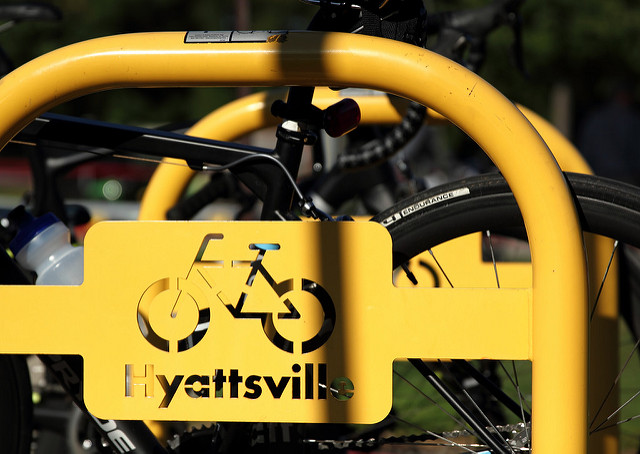 (Photo by Mr.TinDC)
The City of Hyattsville voted Monday night to become a sanctuary city, vowing not to help enforce federal immigration laws and wading into a national showdown with the Trump administration.
The city council supported the measure 8-2 in a first vote; it will be voted on again in mid April. Should it pass, Hyattsville would join D.C. and dozens of other municipalities that have vowed to be safe havens, to the extent possible, for undocumented immigrants.
The Hyattsville ordinance prohibits city officials from asking about individuals’ citizenship or discriminating based on immigration status, and bars officers from using immigration status as an interrogation tactic. It also requires the city administrator to report the number of federal immigration requests the city receives.
That would put Hyattsville directly at odds with the new administration, which has vowed to retaliate against sanctuary cities—though it remains unclear exactly how officials plan to do so.
D.C. has officially been a sanctuary city for decades, and Mayor Muriel Bowser has repeatedly (if somewhat more quietly than other mayors) affirmed her commitment to remaining so. The D.C. Council also unanimously passed a resolution reiterating the city’s long-standing policy.
Maryland, on the other hand, has only one sanctuary city: the lefty enclave of Takoma Park. Several other cities in the Free State are also considering legislation, but none of the counties (which generally operate jails) have formally declared themselves sanctuary jurisdictions. In fact, Montgomery, Prince George’s, and Baltimore counties have each pushed back on a report from the Department of Homeland Security that claimed they didn’t comply with federal immigration requests.
On the state level, Republican Governor Larry Hogan pledged to veto a sanctuary state bill that passed the House of Delegates should it make it to his desk.
But a public hearing in Hyattsville that attracted an overflowing crowd last month, 35 out of 41 speakers testified in favor of the measure.
The bill’s sponsor told the Washington Post that the city only receives about $22,000 a year in federal funding of its $16 million budget, so it is unlikely to have a significant impact on local finances. The mayor, for her part, called the vote “a display of courage.”