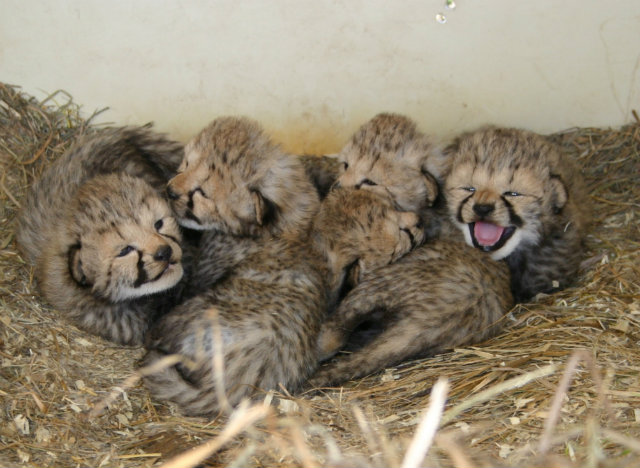
 Photo courtesy of the National Zoo
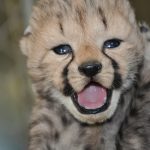
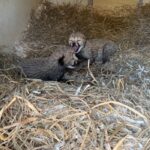
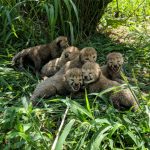
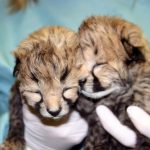
In what zoologists are calling a “cheetah cub boom,” the Smithsonian Conservation Biology Institute increased its number of cheetahs by 50 percent in the span of a week.
Three-year-old Happy gave birth to five cubs on March 23 at the locale in Front Royal, Virginia. And seven-year-old Miti gave birth to seven cubs March on 28. However, two of Miti’s cubs were “visibly smaller and less active at the time of birth and died,” according to a National Zoo release, which adds that this is common in litters this large.
The average litter size is three, according to SCBI cheetah biologist Adrienne Crosier. “So this time we’ve got an incredible pile of cubs,” she said in the release. Each litter has two males and three females.
Zoo officials say both mothers are doing well and the surviving 10 cubs are healthy and nursing successfully.
Cheetahs are marked as vulnerable on the International Union for Conservation of Nature’s Red List of Threatened Species. So a group of organizations, including SCBI, created a coalition in 2013 to address reproductive challenges and other issues involving the cats.
Both Miti and Happy bred in December with male cats “that fit their temperaments,” among other factors.
“One of our big goals across the population right now is to breed more new individual animals, mixing and matching more pairs to diversify the genetics as much as possible,” Crosier said. “The birth of these two litters at SCBI is really symbolic of the recent success story playing out across the country as the result of coordinated efforts and terrific communication between cheetah breeding centers.”
The two new litters are the second generation of cheetahs born at the institute. The cubs will be monitored via a camera in the coming days and have their first vet exam when they’re about six weeks old.
Here’s a look at the cubs in action: