Rachel Kurzius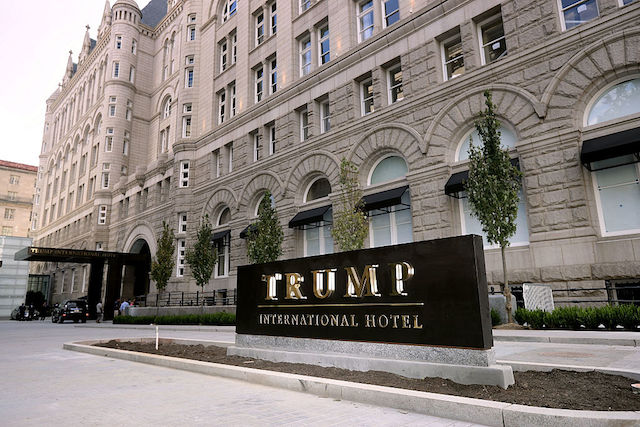
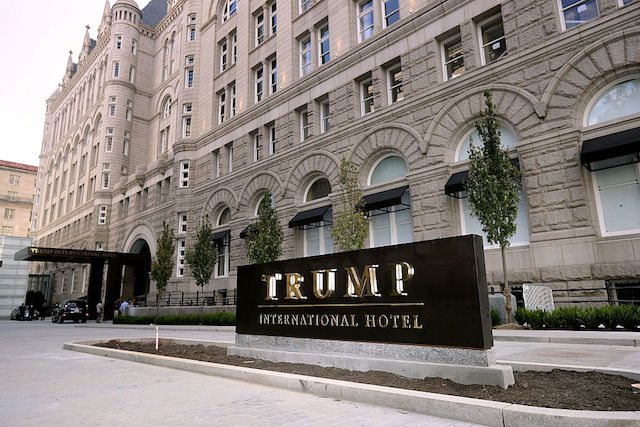 (Photo by Chip Somodevilla/Getty Images)
A D.C. lobbying firm for the Kingdom of Saudi Arabia has paid the Trump International Hotel almost $270,000 for lodging, catering, and parking, according to new foreign lobbying disclosures
The payments, first reported by The Daily Caller, were from Qorvis MSLGroup, a lobbying firm hired by the Saudis to oppose the Justice Against Sponsors of Terrorism Act, bipartisan legislation that allows Americans to sue foreign governments over terrorist attacks. The bill survived a veto from then-President Barack Obama.
The payments were made between November 2016 and February 2017, reports the Wall Street Journal, with the bulk of payments made as Donald Trump was president-elect, and others made after he was sworn into office.
A managing director for the lobbying firm told Yahoo in March that the Trump International Hotel was chosen for its discounted rates, rather than to curry favor with the administration.
The payments break down to about $190,273 for lodging, $78,204 for catering, and $1,568 for parking at the hotel for veterans who stayed at the (other) Trump outpost on Pennsylvania Ave as part of lobbying efforts against JASTA. Trump visited Saudi Arabia as part of his first international trip.
These payments represent the latest ethical murkiness for a hotel that is owned by the federal government and operated by the Trump Organization through a 60-year lease with the General Services Administration.
“This is a textbook example of a foreign government paying directly into the president’s pocketbook while pursuing its own policy goals,” said Rep. Elijah Cummings (D-MD), the ranking member on the House Oversight Committee, in a statement. “Saudi Arabia is spending vast amounts of money at President Trump’s hotel while at the same time pressing to limit the rights of U.S. citizens to sue the Saudi government.”
Cummings is one of a number of Democrats in the House of Representatives who, since Trump’s election, have been saying that Trump’s presidency violates the lease with GSA, which states that “No member or delegate to Congress, or elected official of the Government of the United States … shall be admitted to any share or part of this Lease, or to any benefit that may arise therefrom.” The Dems claim that nothing short of full divestment would satisfy the terms of the lease.
However, the GSA said Trump cleared that hurdle when his son, Donald J. Trump Jr., took over Trump Old Post Office LLC. The president has not renounced his ownership stake in the company, though, meaning he continues to be enriched by the business which bears his name.
And it appears to go both ways. “Why wouldn’t I stay at his hotel blocks from the White House, so I can tell the new president, ‘I love your new hotel!’ Isn’t it rude to come to his city and say, ‘I am staying at your competitor?’” one diplomat told The Washington Post shortly after the election. Since then, a slew of interest groups both domestic and international have taken to hosting events at the D.C. hotel. (Trump himself has been known to enjoy a burnt steak there.)
During the transition, Trump said that he would give the U.S. Treasury all of the foreign profits from his various business holdings, which would help him avoid violating the emoluments clause of the Constitution, which prohibits public officials from accepting money from foreign governments. (Trump’s attorneys say that emoluments shouldn’t apply to hotel rooms.)
It became clear in May that the Trump Organization wasn’t really tracking payments from customers, calling it an “impractical” task that would “diminish the guest experience of our brand,” the Trump Organization wrote in a policy pamphlet provided to the House Oversight Committee.
A government watchdog announced a lawsuit against Trump over the emoluments clause in January, and has continued to add plaintiffs.
And closer to home, Cork Wine Bar is suing Trump International Hotel under local D.C. law, claiming unfair competition. The owners of the restaurant want Trump to either fully divest from the hotel, close the establishment, or resign as president. They argue that the Trump International Hotel and its restaurants have an insurmountable advantage over local businesses, because business advocates, lobbyists, foreign dignitaries, and more can access administration officials.
Trump’s lawyers moved to dismiss the case, claiming “absolute presidential immunity.”
These lawsuits haven’t scared the Trump Organization away from expanding the business. The company is trying to open up a second hotel in D.C., and yesterday announced a new hotel chain called “American Idea,” which will debut in counties that voted for Trump in the election.