
 Rachel Sadon
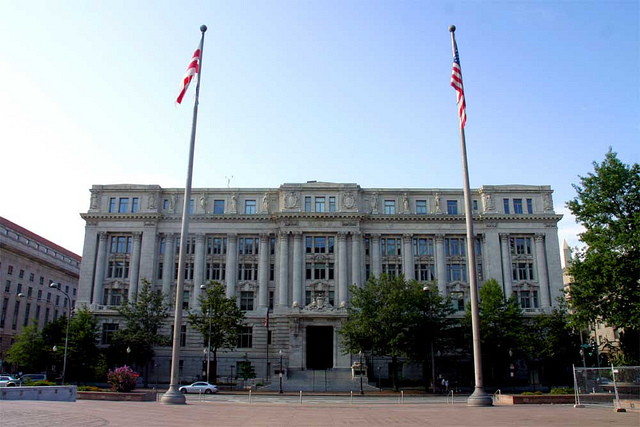 (Photo by David Gaines)
In the wake of a D.C. government scandal—no, not that one, or that one, or that one—Ward 3 Councilmember Mary Cheh has introduced a bill to expand the definition of lobbying to include actions related to influencing contracts, the reallocation of funds, or the procurement of goods.
“The District adopted its lobbying disclosure laws to shine a light on instances where individuals seek to influence government officials; however, under our current law, those activities are completely hidden from public view when they involve contracts,” Cheh said in a statement.
The proposal comes shortly after she made public a series of documents related to a D.C. Council investigation into several firings at the Department of General Services.
The Council committee couldn’t come to a consensus for a report, but Cheh issued her own findings. She found that it is very likely that someone in the government leaked information to a politically connected developer, that Muriel Bowser’s administration appears to have pressured DGS into making decisions that would help the same company, and there is a widespread impression that the developer enjoys a favored status with the city government. Bowser called the evidence of the leak “a wild accusation” and her chief of staff called the report “malarky.”
The investigation was generally hampered by a lack of subpoena power, time, and resources (given that it was conducted by a Council committee rather than the Inspector General), but it also suffered from the fact that there wasn’t a paper trail of the lobbying actions that may have played a role in the scandal.
“Because of the nature of what we were tying to look into, none of the documentation exists,” says Cheh spokeswoman Kelly Whittier. “If a lobbyist had a client with special interests, in particular a contract, they wouldn’t have to disclose correspondence or dinner or visits or meetings… you could look at it as a gap in our lobbying definition.”
Currently, lobbyists, who must register with the D.C. Board of Ethics and Government Accountability, are only required to file disclosures related to their efforts to influence legislation or administrative decisions, like new rulemaking proceedings or executive actions. The Lobbying Disclosure Amendment Act of 2017 would expand the requirements to include any action taken to influence the awarding of District contracts, reprogramming, or the procurement of goods.
Eight other councilmembers—Ward 6’s Charles Allen, Ward 1’s Brianne Nadeau, Ward 5’s Kenyan McDuffie, and Ward 8’s Trayon White, and At-large councilmembers Anita Bonds, David Grosso, Elissa Silverman, and Robert White —are co-sponsoring the bill (which would make it veto-proof). The legislation has been referred to the Judiciary Committee.
Cheh recommended updating the disclosure requirements in her report on the DGS firings. Her office says that the Board of Ethics and Government Accountability is in support of the expanded definition, and a number of other jurisdictions already require such disclosures.
Previously:
Contracts, Firings, And Favoritism: Explaining The Latest D.C. Government Scandal
Fired D.C. Government Employee Files Lawsuit Against City
Report: DGS Director Forced Out Over Contracting Dispute