Natalie Delgadillo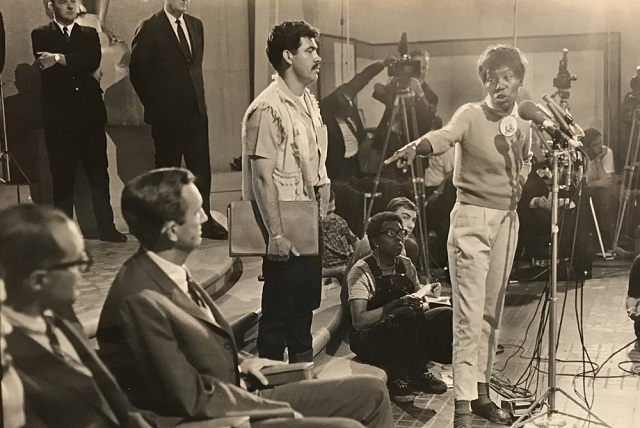
When people talk about the District in 1968, often what they’re really talking about is the riots.
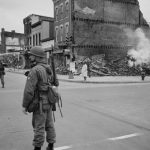
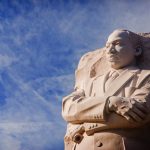
On April 4, Martin Luther King, Jr. was assassinated in Memphis. When the news broke, D.C. residents poured into the streets for four days of unrest, causing severe property damage that has often been the focus of coverage of the riots in the years since.
For one native Washingtonian and historian, this narrow lens obscures all the civil rights work taking place in the District that year, including King’s Poor People’s Campaign—not to mention all the normal rhythms of daily life for residents.
“They’ve created a single story about D.C. in 1968: it starts in April, when King was assassinated and the residents destroyed the city,” says Marya McQuirter, a historian and archivist who was born in the city and still lives in Petworth (she was three years old when the riots broke out). “I thought this story was ahistorical, I thought it was lazy, and I thought it was often racist.”
This year marked the 50th anniversary of the riots, and McQuirter says she knew there would be many institutions and organizations commemorating the year in some way. She wanted to counteract a narrative she had seen countless times before when major media outlets had covered the District in 1968.
“And I thought: I can tell 365 other stories,” she says. That’s how, eventually, the dc1968 Project got underway. Every single day this year, starting January 1, McQuirter is featuring a photo from the District in 1968 on the project’s website. A startling number of these photos actually correspond to the exact date she posts them—the June 3 photo of protests at the Department of Justice, for example, actually appeared in the Washington Star in D.C. on June 3, 1968.
The project mirrors a similar one by NPR called Today in 1968, in which the news organization tweets out national news from the year each day as though it’s happening in real time. McQuirter’s project, though, is strictly local in nature.
She’s gotten most of her photos from the D.C. Public Library’s Star Collection, which contains 1.3 million images, both published and unpublished, from the now-defunct Washington Star. She’s also gotten a few from residents of the District who’ve heard about her project and submitted their own images.
The photos show stills from activism and regular daily life in the District that year: activists and residents at community meetings, members of Martin Luther King Jr.’s Poor People’s Campaign and Resurrection City, anti-war rallies, arts festivals, and simple street views and images of families walking their dogs across the road.
There isn’t a single image from the riots.