Rachel Kurzius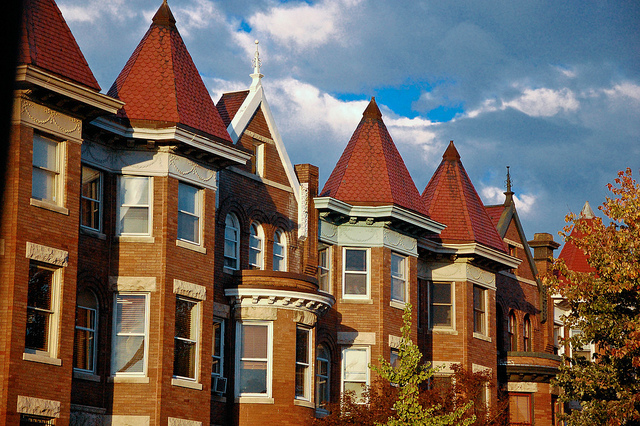
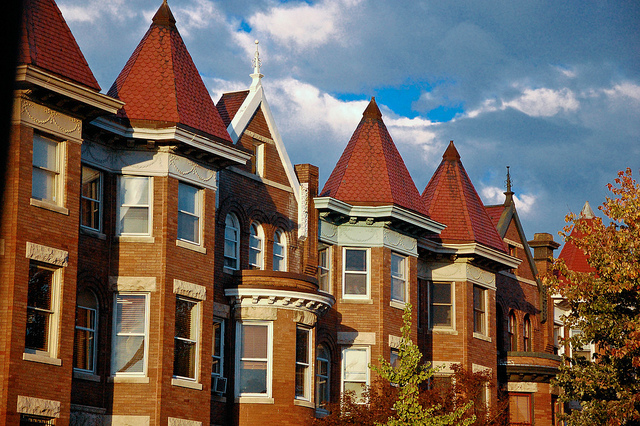 Photo by Lauren Parnell Marino.
As housing in D.C. grows more expensive, a new map looks at where affordable housing has been built or preserved since 2015 in the city.
Almost one in five residents thinks housing is the biggest issue facing the District, per a Washington Post poll from the summer of 2017. As the cost of living increases in the city, the lack of affordable housing affects people higher up the income scale. In the past two decades, the median home value in the city has tripled, with housing prices in the region that sold hitting a ten-year high in May.
The city itself does not have a concrete number of how much affordable housing stock exists here, but the D.C. Fiscal Policy Institute, a progressive think tank, has compiled its own data set. It includes about 9,285 units in total, including ones built or preserved through the Department of Housing and Community Development, the Deputy Mayor for Planning and Economic Development, the D.C. Housing Authority, the D.C. Housing Finance Agency, inclusionary zoning, and replacement public housing.
The map shows that some parts of the city host far more affordable housing than others. Ward 3, for instance, has less than 1 percent of the affordable housing under construction or in the pipeline since 2015, and all 53 of those homes were created with inclusionary zoning.
The term “affordable housing” means places to live that are considered affordable to residents based on how their income compares to the area median income, known as AMI (the number is based on incomes in the entire Washington metro area, not just the city).
There are different degrees of affordable housing. People who earn 80 percent of AMI ($93,760 for a family of four) will still be eligible for some kinds of affordable housing, though their rents will be higher than those earning 30 percent of AMI ($35,160 for a family of four).
DCFPI notes that most new affordable housing units are intended for people earning about 50 to 60 percent of the area median income, and argues that these efforts do not target D.C.’s extremely low-income residents. Less than a third of rentals for D.C. housing programs are for people earning less than 30 percent of AMI, while that group comprises three-quarters of renters who are dealing with a severe housing cost burden.
Part of the reason why it’s easier to build and maintain housing at higher levels of AMI is because it requires less money on a monthly basis to subsidize the rent. The deeper the level of affordability, the more it costs to operate the unit and keep it in good repair.
You can play around with the interactive map here:

More:
Report: D.C. Residents Need $5K More Than Last Year To Afford Rentals
Report: D.C.’s Housing Crisis Increases For City’s Lowest Income Residents
Report: How Hard Is It To Find Affordable Housing In D.C.? Almost Impossible.