Natalie Delgadillo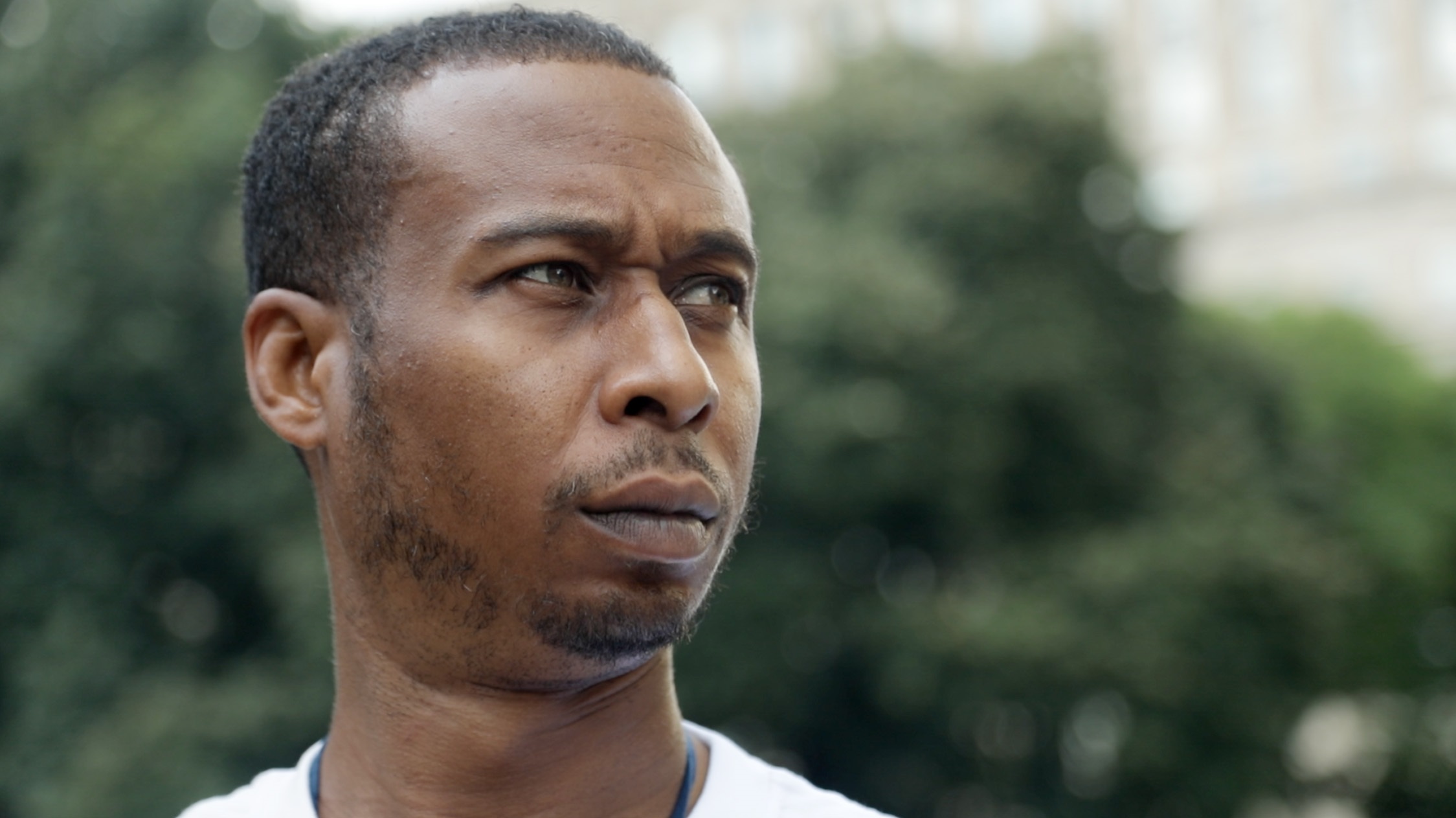
A D.C. man who says he was intrusively patted down by a police officer last year has settled his lawsuit against the officer for an undisclosed amount of money, the ACLU of D.C. announced on Thursday. The city admitted no wrongdoing in the settlement.
M.B Cottingham, a 40-year-old black resident born and raised in Southeast D.C., says that what started as a peaceful encounter with D.C. police on September 27, 2017 ended in an “unconstitutional and exceedingly invasive” search that he did not consent to, during which an officer felt Cottingham’s genitals and allegedly shoved his fingers between Cottingham’s buttocks over his sweatpants.
According to the lawsuit, Cottingham and some friends were sitting on folding chairs on a public sidewalk when two police cars pulled up and several officers emerged. The officers asked the men if they had guns, and they said they did not. According to Cottingham’s account, he sensed that one officer wanted to pat him down, and he positioned himself to allow the officer to do so.
“I spread my arms, and do the normal procedure that it comes to in the neighborhood that I live in,” Cottingham says in a video taken by the ACLU-DC. He says that the officer patted him down and drove his thumb forward, as though he were trying to insert it into Cottingham’s anus. “I’m speechless now on what would drive a person to do that.”
The incident was captured on video and posted to YouTube. In it, you can see Cottingham flinch away from the officer and ask him to stop touching his genitals. The officer then handcuffs Cottingham and proceeds to search him in the same way again.
This July, the ACLU-DC sued Officer Sean Lojacono for the pat down, alleging that he violated Cottingham’s constitutional rights. In September, the Metropolitan Police Department moved to fire Lojacono as a result of the allegations; Lojacono is currently assigned to administrative duty in the Second District in Northwest D.C., and is awaiting the outcome of an appeal to his firing. Police Chief Peter Newsham told the D.C. Council during a July hearing that “it looked like it was an inappropriate touching by the officer.”
MPD referred questions about the settlement to the Attorney General’s office. A spokesperson for Attorney General Karl Racine told DCist that, while the settlement negotiations were confidential, the District monitored them. “We are pleased that the parties were able to come to a resolution, and we believe that building and maintaining trust between police officers and the communities they serve is critical to protecting public safety in the District,” the spokesperson said.
“I think going forward, the real message here for MPD is that if your officers are not treating people with respect and are violating their constitutional rights of members of the community, you need to hold them accountable,” says Scott Michelman, an ACLU-DC staff attorney who represented Cottingham in this case. “You need to be proactive in supervising your officers so that they’re not out of control and acting unlawfully.”
Michelman also suggests that the settlement was precipitated by a looming deadline for MPD to disclose Lojanao’s disciplinary records, including 20 internal investigations involving him. The ACLU had filed discovery requests on all 20 investigations in the case.
“[D.C.] had about a week left to turn [those documents] over when the settlement talks suddenly became very serious, and so that indicates to me they were scared of what the documents would show,” Michelman says. “One serious possibility in my mind was that [the documents] showed they knew this officer was a problem, that he had done this type of thing before and D.C. officials had tolerated it failed to train him, failed to supervise him, failed to discipline him, and essentially let him get away with this type of behavior for a long time.”
Cottingham says he feels the settlement shows some acknowledgement of his experience from the city, but adds that he doesn’t believe he ever would have seen this result if the incident had not been captured on video.
“If I didn’t have the video, no one would believe me,” he says. “The video speaks for itself. It shows the truth … the video shows everything I say was the truth.”
Patrick Madden contributed reporting. This story has been updated with comment from MPD.