Martha’s Table, a local food access and education nonprofit, is teaming up with ride-hailing company Lyft to combat a glaring grocery store access issue in Wards 7 and 8. Dubbed the Lyft Grocery Access Program, the initiative will provide qualifying families with $2.50 flat fare rides to three grocery stores and markets east of the Anacostia River.
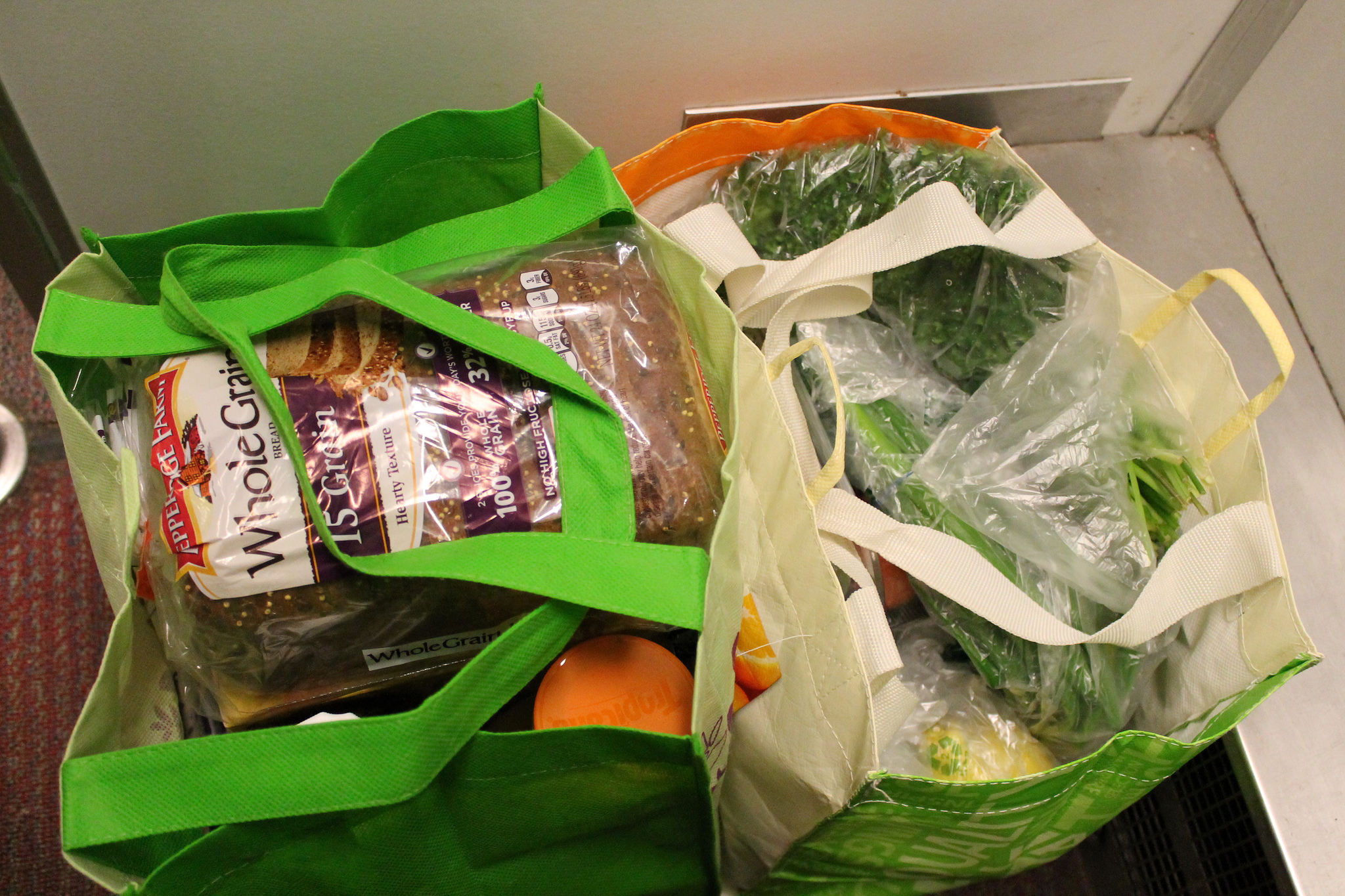
“The time that it takes to get to the store is really prohibitive,” says Lindsay Morton, who heads Martha’s Table’s Healthy Markets programs. “And oftentimes, once [people] get to the store, they aren’t able to get as much,” Morton says, because they can’t carry as much on the bus, for example.
Out of the 49 grocery stores in the District, only three are located in Wards 7 and 8. They serve more than 150,000 residents. The neighborhoods have been referred to as food deserts: areas in which it is difficult to buy affordable or good-quality fresh food. In D.C., the problem is not only one of income. It’s also about accessibility.
Morton says 300 families will be invited to participate in the first phase of the program, which runs from Jan. 1, 2019 through June. Martha’s Table and Lyft announced the program Tuesday morning at the nonprofit’s office in Ward 8.
To qualify, families must have one child enrolled at one of seven participating elementary schools or in Martha’s Table programs, and attend an orientation with both the nonprofit and Lyft. The number of rides will be capped at 50 per participating family during the six-month pilot period. Participants will also take part in a number of short surveys.
A Better Commute
For 25-year-old India Allen, a Ward 8 resident and mother of two young children, the new grocery ride-hailing program couldn’t have come at a better time. Allen and her children live with her mother, a disabled veteran, and Allen’s younger brother. Allen’s mother is battling multiple health issues and will soon undergo a major operation, so Allen rides the bus weekly to take on the bulk of the grocery shopping duties for the convenience of her family.
“Long distances tend to be a hassle for [my mother],” says Allen. “Moving around the grocery store can be very painful.”
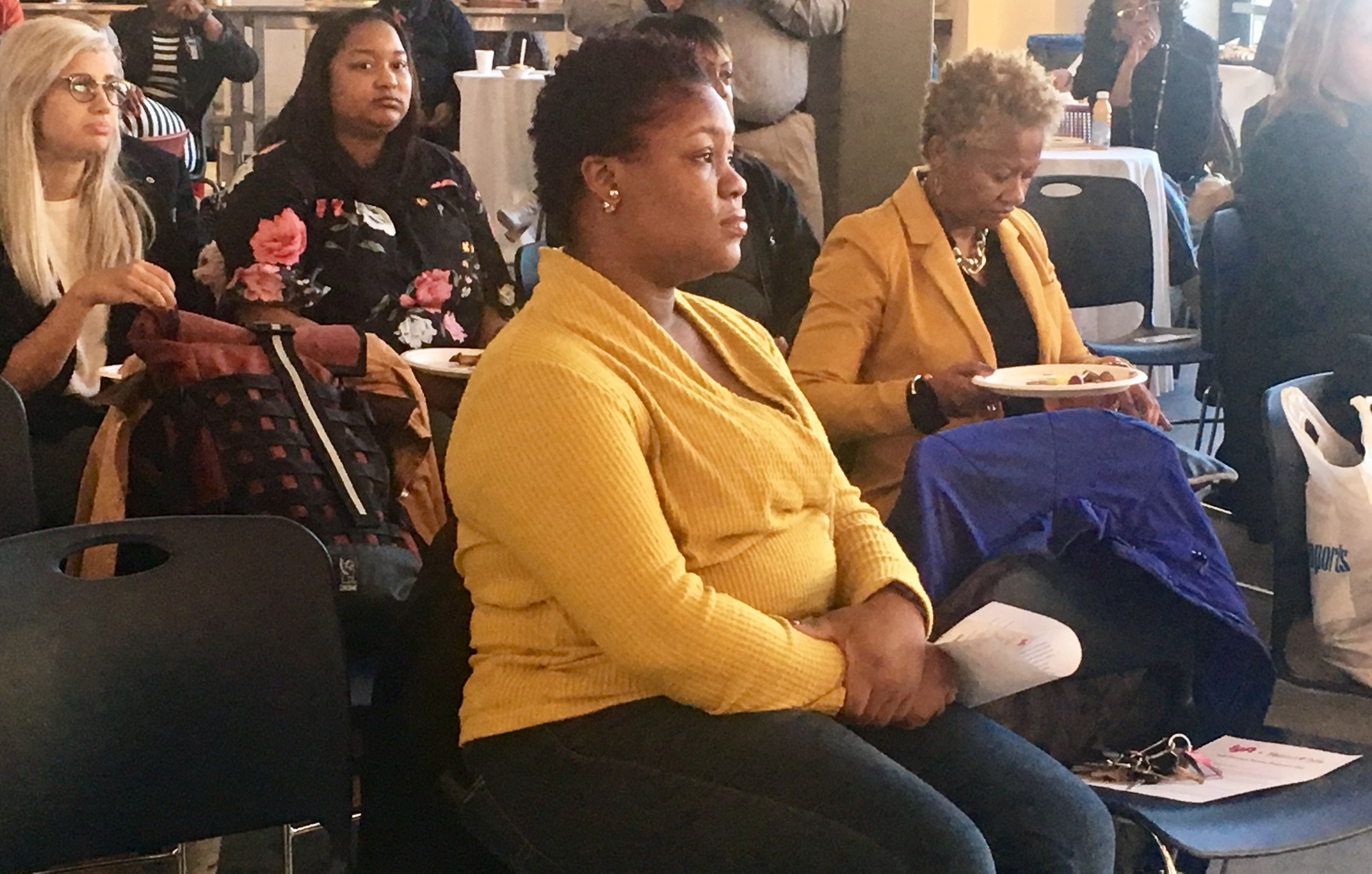
India Allen (center), who will participate in the Lyft Grocery Access Program, attends the launch in Southeast D.C. Tuesday morning. “It’s a lot to juggle the groceries and my kids, and the bus that might not come on time,” she says.Sasha-Ann Simons / WAMU
Allen, who has a 1-year-old son is enrolled in Martha’s Table’s early childhood program and a daughter in second grade at one of the qualifying neighborhood schools, has already been selected to participate in the grocery ride program next year. She says it will help alleviate another problem: ride-hailing drivers who habitually skip out when she calls one from a grocery store.
“I’ll wait for the car to get there, and then they’ll get there and look and see the grocery carts that I have full of groceries and then they’ll cancel the ride,” Allen says.
She says the Lyft Grocery Access Program will keep drivers accountable and provide better reliability for residents in Wards 7 and 8. This way, she says, Lyft drivers won’t be caught off guard.
A Commitment To Food Access
For 40 years, Martha’s Table has worked to provide District families with access to fresh, healthy food. Lindsay Morton says the organization moved from its home on 14th Street Northwest to Southeast D.C. last summer to be “anchored and rooted where the need is greatest.” At its pop-up grocery markets, children, their families and neighbors can shop for fresh food at no cost.
“To think that we could come together with Lyft, and not just innovate, but bring a lot of hope and solution to families is really inspiring,” Morton says.
Morton says Martha’s Table is already in talks with other local nonprofits and organizations, discussing ways to keep the program going beyond the six month pilot.
This story was originally published on WAMU.