 Lori McCue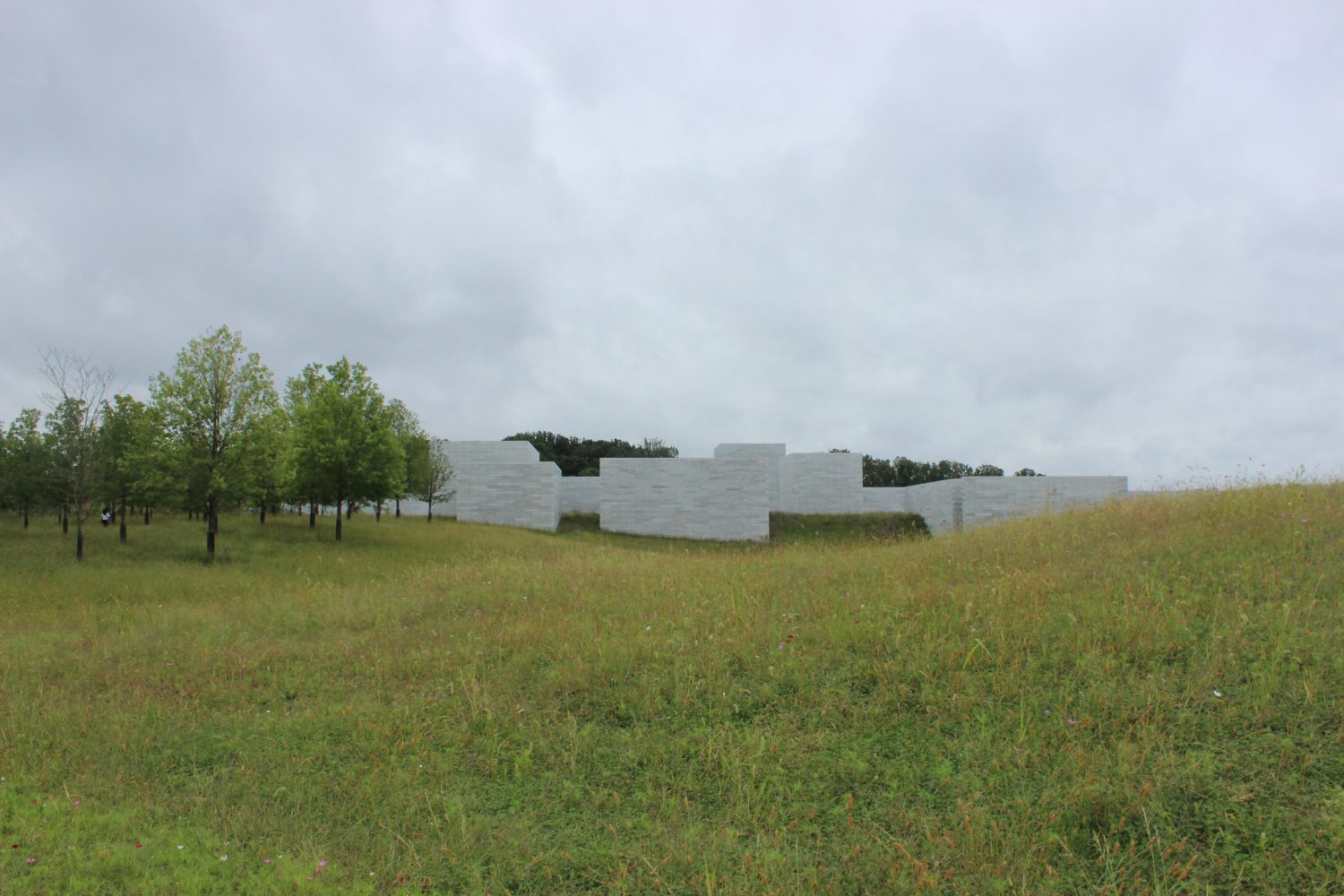
Glenstone, the 200,000-square-foot private art museum in Potomac, Md., is fully booked for the next three months, but there’s still a way to get in this winter.
Ordinarily, visitors have to book their free tickets in advance, and they’re usually all snapped up as soon as they’re released online on a monthly basis. Glenstone also allows walk-ins, but it doesn’t guarantee entry. For the next two months, though, there’s another way: the museum is offering guaranteed entry in January and February for those who visit via the Montgomery County Ride On Bus, which stops at Glenstone on its 301 route.
The Ride On bus is a relatively new addition to the menu of ways to get to the museum, according to Paul Tukey, Glenstone’s chief sustainability officer. Though the 301 route has been operating for a few years, and has served Glenstone in early mornings and late afternoons for the museum’s staff, the bus only began stopping there regularly seven days a week in October, when the museum reopened after a $200 million renovation. The deal for guaranteed entry is a way to get visitors to actually use the bus. “I’m all about trying to keep cars off the road,” he says.
The 18-seat Ride On bus departs from the Rockville Metro about once every hour and a half between 9 a.m.-6 p.m.; the journey to Glenstone takes about 30 minutes. One-way fare costs $2.00 via SmartTrip or cash.
The museum sees about 400 visitors a day, Tukey says, a modest density of people that’s meant to reinforce Glenstone’s serene atmosphere. As we wrote in October when the museum reopened:
As museums like the Renwick and the Hirshhorn find success in making the visitor experience easy to capture on social media, Glenstone is taking a decidedly different tack.
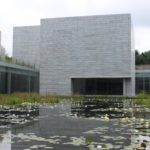
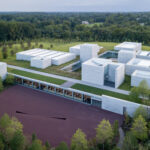
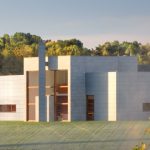
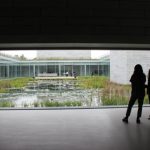
“You go see the Mona Lisa with 400 of your friends,” says Thomas Phifer, the architect who designed The Pavilions. “The thing we wanted desperately to find was how to slow that experience down … It’s really hard to explain this building in photographs. This building is about experience. It has to do with how you move.”
Trying to capture the grandeur of the space with a camera feels fruitless—even a panorama frames things far too tightly. (And then attempting to post those photos online in a place with such limited service … good luck.)
The intention seems to be to create an inward reaction rather than outward replies (and likes and retweets). Phifer describes wanting visitors to feel “weak at the knees” when they see the artwork. Emily Wei Rales said she’d like to “slow the pulse” of museum-goers.
For now, the deal, which was brought to our attention by writer Alex Baca, only applies for the next two months. But Tukey anticipates it will be extended. He reports that 28 museum visitors came to Glenstone via the Ride On bus on Sunday on the fourth day of the promotion. “I don’t see anything that will make us want to stop the program,” he says.