Natalie Delgadillo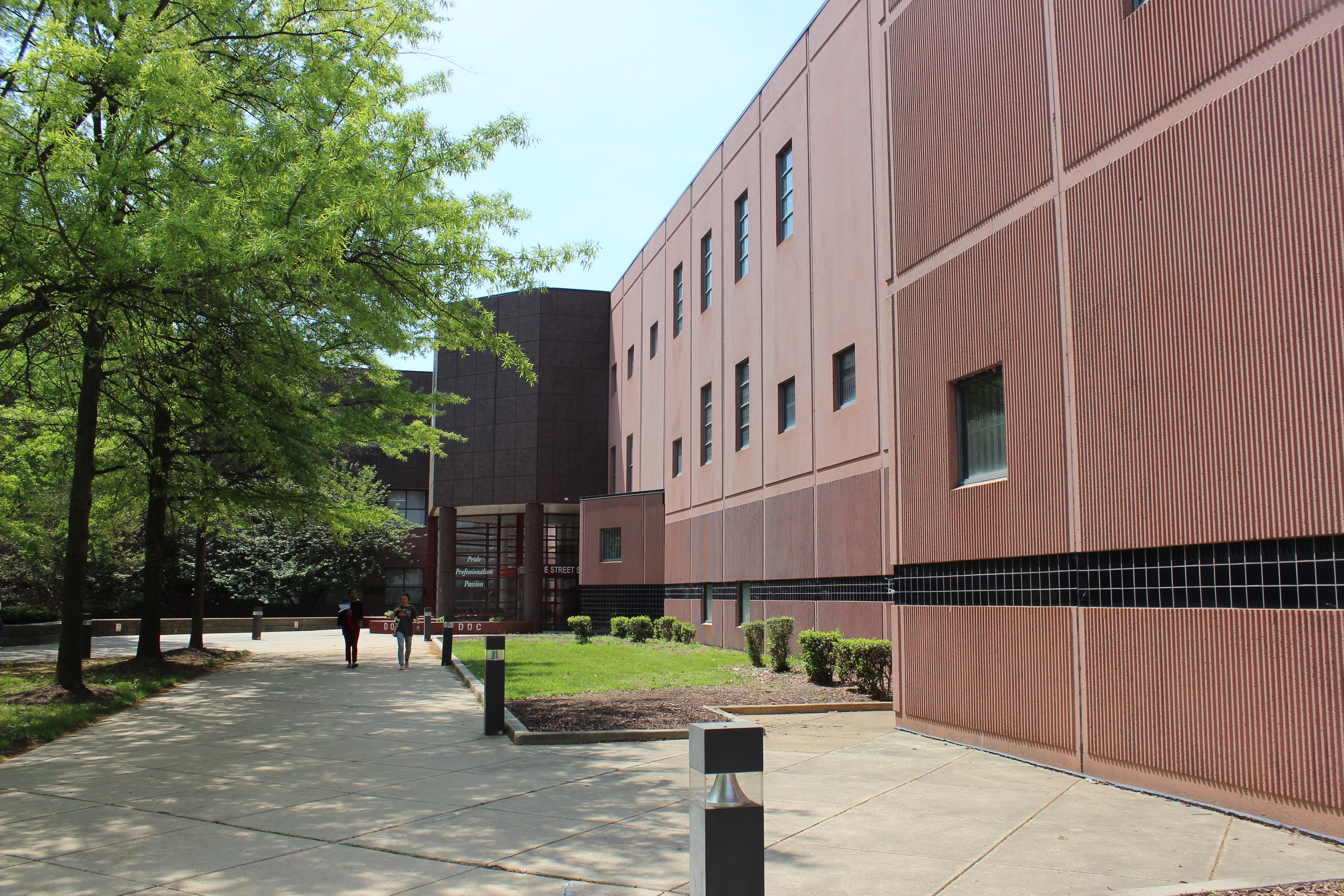
On Wednesday and Thursday, inmates at the D.C. Correctional Treatment Facility, a medium security institution for men and women next to the D.C. Jail, were let outdoors for the first time in what advocates say is many months. Outside recreation time had been replaced with time inside an enclosed gymnasium for up to eight months, activists say, and residents of the facility weren’t able to get any fresh air.
Black Lives Matter D.C., which advocates for incarcerated people, tweeted earlier this week that inmates “have been denied any access to outdoor recreation, despite repeated requests, and given no reason for the denial.” Some residents of the jail have reportedly told activists that they haven’t gotten regular outdoor time since January 2018. “Individuals are being forced to breathe in moldy air 24/7,” the group added.
The D.C. Department of Corrections has acknowledged that CTF inmates’ outdoor time has decreased, but disputes the timeline given by advocates.
“Outdoor recreation at the Correctional Treatment Facility had been reduced due to an unseasonably wet fall and winter. Presently, inmates at the CTF receive daily recreation in the facility gymnasium where they can participate in sports activities and use exercise equipment. As weather permits, the full schedule for outdoor recreation will resume,” a DOC spokesperson said in an email statement.
The correctional services department says that the accusation that inmates haven’t gotten regular outdoor time for eight months is “inaccurate,” but did not respond to follow-up questions about how long it has been since inmates have gotten regular time outdoors.
Advocates have been calling city officials throughout the week to demand that inmates be let outdoors. They are planning to hold a “noise demonstration” on Thursday night in front of the D.C. Jail to protest, pledging to bring megaphones, drumsticks, banners, glowsticks, whistles, and “anything else that makes noise or light!”
“The way the community has spoken out, that has made a huge difference,” says Laura de las Casas, a liaison for the D.C. Corrections Information Council, an independent city government body that monitors institutions where D.C. residents are incarcerated. “We really thank everyone for the public outcry and support, because this has fallen on deaf ears [before now].”
After the public outcry this week, the Corrections Information Council received reports that inmates at the facility were finally allowed outside recreation time.
De las Casas says she has been receiving intermittent complaints about a lack of access to outdoor recreation time at CTF for more than a year, about 10 in all. She says she forwarded them to high-level staff at the D.C. Department of Corrections in September, but never received a response. To her knowledge, de las Casas says, only one of the housing units—called the Young Men Emerging unit—is receiving regular outdoor time, about once a week. She says it is generally considered standard practice for incarcerated people to get one to two hours per day of fresh air.
The Corrections Information Council hasn’t heard direct complaints about a lack of outdoor time from anyone housed at the Central Detention Facility—more commonly called the D.C. Jail—but advocates say inmates there aren’t getting outdoor time either.
The D.C. Jail is an older facility that houses only male inmates, while the Correctional Treatment Facility houses both men and women inmates, and offers more programming opportunities to prepare people for reentry when they’re released.
“Specifically for individuals at CTF … it’s a concern, because most of the individuals there are doing intense programming and college-level courses,” de las Casas says. “They’re working very hard and they’re looking for sources of relief. They’re starting things they’ve never done before, trying to make a change. And then they ask staff, or anyone with a listening ear, begging for fresh air.”
The inmates are being refused, according to de las Casas. While she hasn’t been able to get a response from DOC, inmates have shared some of their experiences directly. One inmate who asked to be allowed outside was told he couldn’t go out because the grass needed to be cut, de las Casas says.
According to DOC’s policies and procedures, facilities should “provide recreation and leisure activities and equipment that are appropriate and sufficient to meet the social, physical, psychological, and overall wellness needs of inmates and that are consistent with the safety, security, and orderly operation of the facility.” It also says that, with the warden’s approval, a supervisor can “cancel outside recreation when hazardous weather or other life threatening environmental conditions exist,” listing examples like ozone “Code Red,” severe heat/humidity indexes, thunderstorms, and conditions that cause hypothermia. It does not specify a quota for outdoor time: “General population inmates shall receive outdoor recreation according to the established schedule.”
The lack of access to fresh air is exacerbated by poor conditions at the facility; some inmates say there’s mold and that they find it hard to breathe, according to de las Casas. It’s bad enough that word has started getting around. Inmates at other facilities in the area are actively trying to avoid getting placed back in D.C., according to de las Casas, even when it’s necessary for their potential release.
Inmates sentenced to more than 20 years in prison as juveniles have an opportunity for a resentencing hearing under D.C.’s Incarceration Reduction Amendment Act, and they get sent back to D.C. facilities as they prepare their cases for the hearing. De las Casas says some of them are trying to prolong their time in Federal Bureau of Prisons facilities and get as far along as possible in their cases there, in order to avoid prolonged stints in the city.
One person who complained about a lack of outdoor recreation time last January actually asked his lawyers to place him back in the Bureau of Prisons system because he needed fresh air and sunlight, according to de las Casas. His lawyers were able to make it happen.
“The statement [from the Department of Corrections] that individuals are getting access to an indoor gym shows to me that people don’t understand the need for fresh air and sunlight, how critical that is,” de las Casas says. “It’s not just about your physical health, it’s about your mental health. It’s not just about stretching your legs.”
Tanisha Murden, a program director at Women Involved In Reentry Efforts, says she understands the effects of a lack of fresh air all too well. Her stepbrother is currently housed in CTF, and she says that he confirmed to her that he isn’t getting any outdoor recreation time.
“The gym is not cutting it. They need fresh air. It depresses them even more,” Murden says. “I was once incarcerated, and I know how that feels … it’s hard to explain. [My stepbrother] was trying to explain it to me, but it was hard for him to explain. But I kind of understand where he’s coming from.”
In response to the outcry from advocates, Ward 6 Councilmember Charles Allen, who chairs the Committee on the Judiciary and Public Safety, released a statement on Wednesday expressing concern about CTF’s practices regarding outdoor recreation.
“I am very disappointed to learn the D.C. Department of Corrections has not allowed incarcerated men and women in the Correctional Treatment Facility regular outdoor access for upwards of eight months—ostensibly due to rain and snow. Keeping detained individuals from access to fresh air and natural light is dehumanizing, and it goes against the mission of DOC to successfully rehabilitate these residents,” Allen says in the statement. “Further, I am frustrated DOC has made no efforts to provide a detailed explanation to the public and the Council why these inmates have been denied outdoor access.”
Allen’s committee will have an oversight hearing with DOC officials on March 1, and his office says he plans to ask directly about outdoor recreation then.
Despite the public outcry, however, de las Casas says the Corrections Information Council still hasn’t heard anything from DOC. But both Wednesday and Thursday, officials at the facility have let inmates outdoors.