Natalie Delgadillo
D.C. Delegate Eleanor Holmes Norton and House representatives from neighboring jurisdictions penned a letter Monday warning Metro about the possible danger of buying its new railcars from foreign adversaries, mainly because of the risk of foreign espionage.
Virginia representative Gerald Connolly and Maryland representatives Jamie Raskin, David Trone, and Anthony Browne (all Democrats) also signed the letter to Metro General Manager Paul Wiedefeld.
“As Metro begins its procurement process for the 8000-series railcar, we have pressing concerns regarding the steps being taken by Metro to mitigate growing cyber risks to these cars. Your Request for Proposals (RFP) issued in September lists technologies that may be incorporated into these trains, including automatic train control, network and trainline control, video surveillance, monitoring and diagnostics and data interface with Metro,” the letter reads. “These technologies are susceptible to hacking or other forms of interference that could enable intelligence gathering and espionage, service disruptions or other activities detrimental to our national security.”
The letter also notes that Metro specified that there is no requirement that the railcars be American made, “raising further questions about what protections will be in place to ensure the integrity of the trains.”
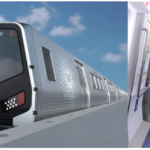
It’s widely believed that the House members’ concerns stem from the possibility that a Chinese company, Chinese Railway Rolling Stock Corps, will win the bid for Metro’s new 8000-series railcars. The agency announced its request for proposals for the 8000-series last September, and it plans to acquire hundreds of the new trains by 2024. CCRR company has recently won contracts to make trains for several other major U.S. transit systems, including Los Angeles and Boston.
Chinese-made trains could feasibly be used for espionage—things like listening in on conversations happening in the rail cars, or even hacking into trains and causing an intentional crash—experts say.
The House reps’ letter comes after a similar letter last month from a group of senators, similarly warning Metro to take specific measures to guard against potential espionage. Ward 2 Councilmember Jack Evans, who chairs the Metro board, was critical of the senators’ letter at the time, the Post reported in January.
“If indeed the federal government wants us to buy from other vendors at a higher cost, then they need to subsidize the difference,” Evans told the outlet.