Natalie Delgadillo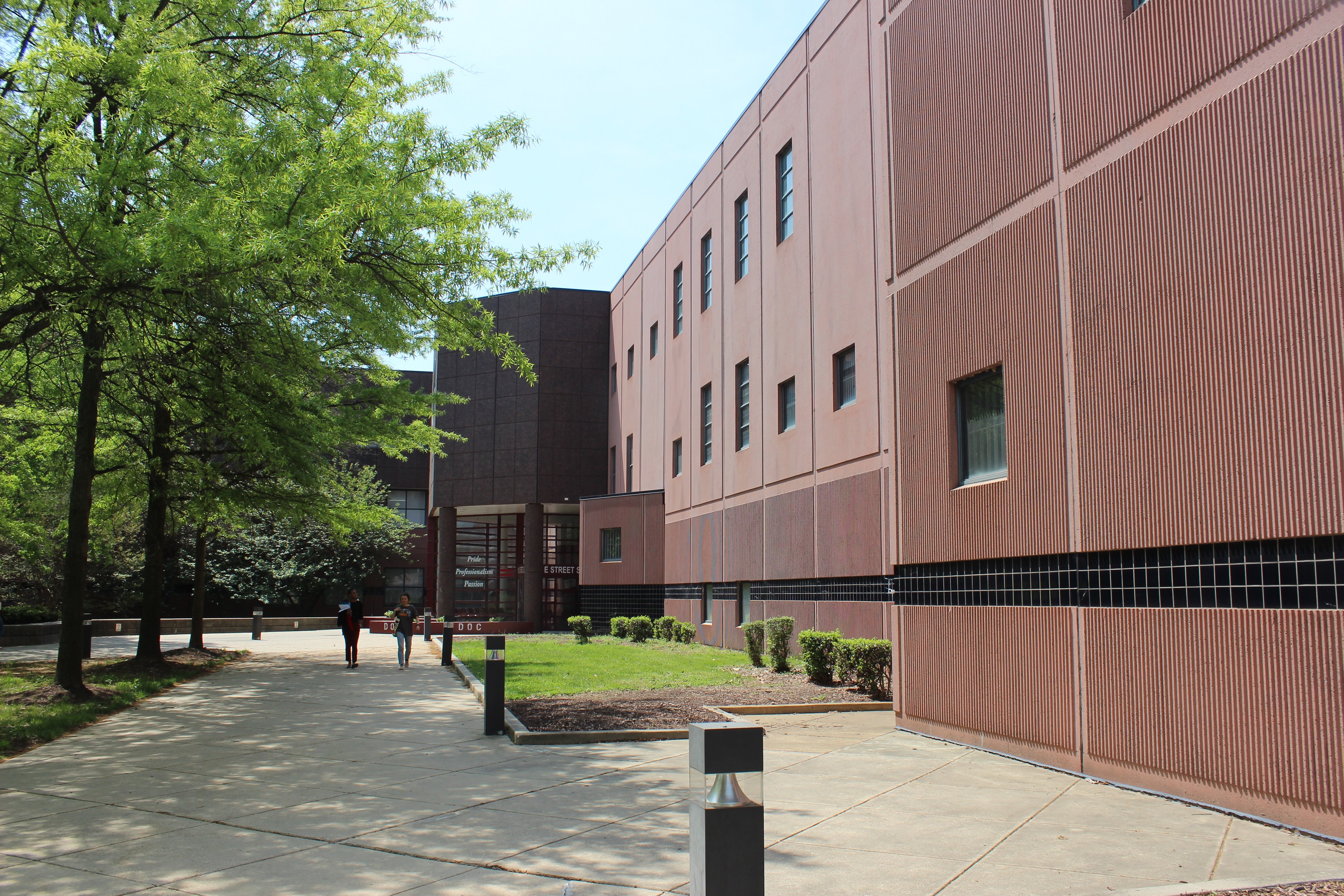
Weeks after public outcry that inmates in a D.C. facility weren’t being allowed outdoor recreation time, the D.C. Department of Corrections maintains that it did not do anything improper.
DOC Director Quincy Booth said that activist reports that inmates weren’t allowed outdoors for up to eight months were incorrect on The Kojo Nnamdi Show Wednesday. Outdoor time “was limited, but [the amount of time] wasn’t stated correctly. It was around the winter months,” Booth said, due to an unseasonably wet season. “When it’s extremely wet, we didn’t want to have the men and women in our care essentially stepping in mud and being unsafe.”
But at a D.C. Council oversight hearing just last week, Booth gave an additional explanation for the reduced outdoor time: the facility did not have the staffing capacity to let inmates outside. Booth also admitted that the facility had not been keeping an accurate log of when inmates were being denied outdoor recreation time and why, though he said they had begun doing it after the controversy caught public attention.
In February, reports began circulating on social media from various activist groups claiming that inmates at the Correctional Treatment Facility, a medium-security institution for both men and women on the same campus as the D.C. Jail, were being denied any time outdoors. Black Lives Matter tweeted at the time that inmates “have been denied any access to outdoor recreation, despite repeated requests, and given no reason for the denial. Individuals are being forced to breathe in moldy air 24/7.” Outdoor recreation was reportedly being replaced by recreation time inside an enclosed gym. After the backlash, DOC eventually began allowing CTF inmates outdoors on a more regular basis.
The D.C. Corrections Information Council, an independent government agency that monitors institutions that incarcerate D.C. residents, confirmed to DCist that it had been receiving intermittent complaints from inmates at CTF about a lack of outdoor time since January 2018. Laura De las Casas, a liaison for the agency, said that she had received roughly 10 complaints in all, and had forwarded some of them to high-level staff at DOC. She never received a response about any of them.
“Specifically for individuals at CTF … it’s a concern, because most of the individuals there are doing intense programming and college-level courses,” de las Casas told DCist at the time. “They’re working very hard and they’re looking for sources of relief. They’re starting things they’ve never done before, trying to make a change. And then they ask staff, or anyone with a listening ear, begging for fresh air.”
Late last week, the chair of the Committee on the Judiciary and Public Safety, Ward 6 Councilmember Charles Allen, held an oversight hearing with DOC where he directly asked about the controversy surrounding outdoor time. At first, Booth reiterated the Department’s initial claim that inmates at CTF had been kept indoors because of the weather. He said inmates at the D.C. Jail, an older facility that only houses men, were never denied outdoor time, because the outside space is mainly concrete and asphalt that allows for drainage. On the CTF side, he said, it’s mainly grass, creating soggy conditions.
“So when you have heavy rain, snow, some of the water penetration still remains there,” he said.
Allen appeared skeptical of this explanation. “It wasn’t raining and snowing every day,” the councilmember said. “Why would weather prohibit [outdoor recreation] for months at a time?”
“It was twofold,” Booth replied. “It wasn’t just the weather in this case, it was also staffing as well too, because it’s a more staffing intensive piece when it’s over at the CTF … it requires more because of just the layout … As far as the rain, some of the water actually stayed longer … Granted it wasn’t raining every day, but in some cases the water actually stayed a couple of days.”
The department declined to provide DCist with more details about the staffing levels required to allow CTF inmates outdoor time “due to the safety and security of the facility.”
Booth told Allen that the agency had received one formal grievance about a lack of outdoor time in Fiscal Year 2018. There were also some concerns brought up informally with staff when they began to survey inmates after the backlash began on Twitter, Booth said. He said that his staff spoke with fewer than five inmates who had concerns about outdoor time. He also repeatedly stressed that inmates had recreation time inside a gym with opportunities to play basketball, weightlift, and do other exercise.
De las Casas told DCist her organization had received several more complaints than that, and sent DOC three emails total, starting as far back as October 2018. Booth admitted at the oversight hearing that his agency had received emails from the Corrections Information Council flagging concerns about a lack of outdoor time, though other DOC officials told Allen they only had record of one email from early December, and that they “inadvertently did not respond.”
Allen expressed concern about the way DOC had handled the situation, seeming to be able to drum up the necessary staffing to let inmates outdoors only after public condemnation.
“It seems problematic that somehow [this issue] didn’t get to the decision makers until it seemed to become a public outcry,” Allen told Booth at the hearing. “And then obviously DOC has been able to make a policy change or at least have the staffing in a way that you need it to be able to provide the outdoor recreation … clearly you made the decision that you think it’s good and we want everyone to have outdoor access … but you went for several months without it.”
Allen asked Booth to provide his office with logs recording outdoor recreation time for inmates moving forward.
Previously:
D.C. Inmates Weren’t Allowed Outdoors For Months, Advocates Say
This story has been updated to correct the spelling of Laura de las Casas’ name.