“Those who cannot remember the past are condemned to repeat it.”
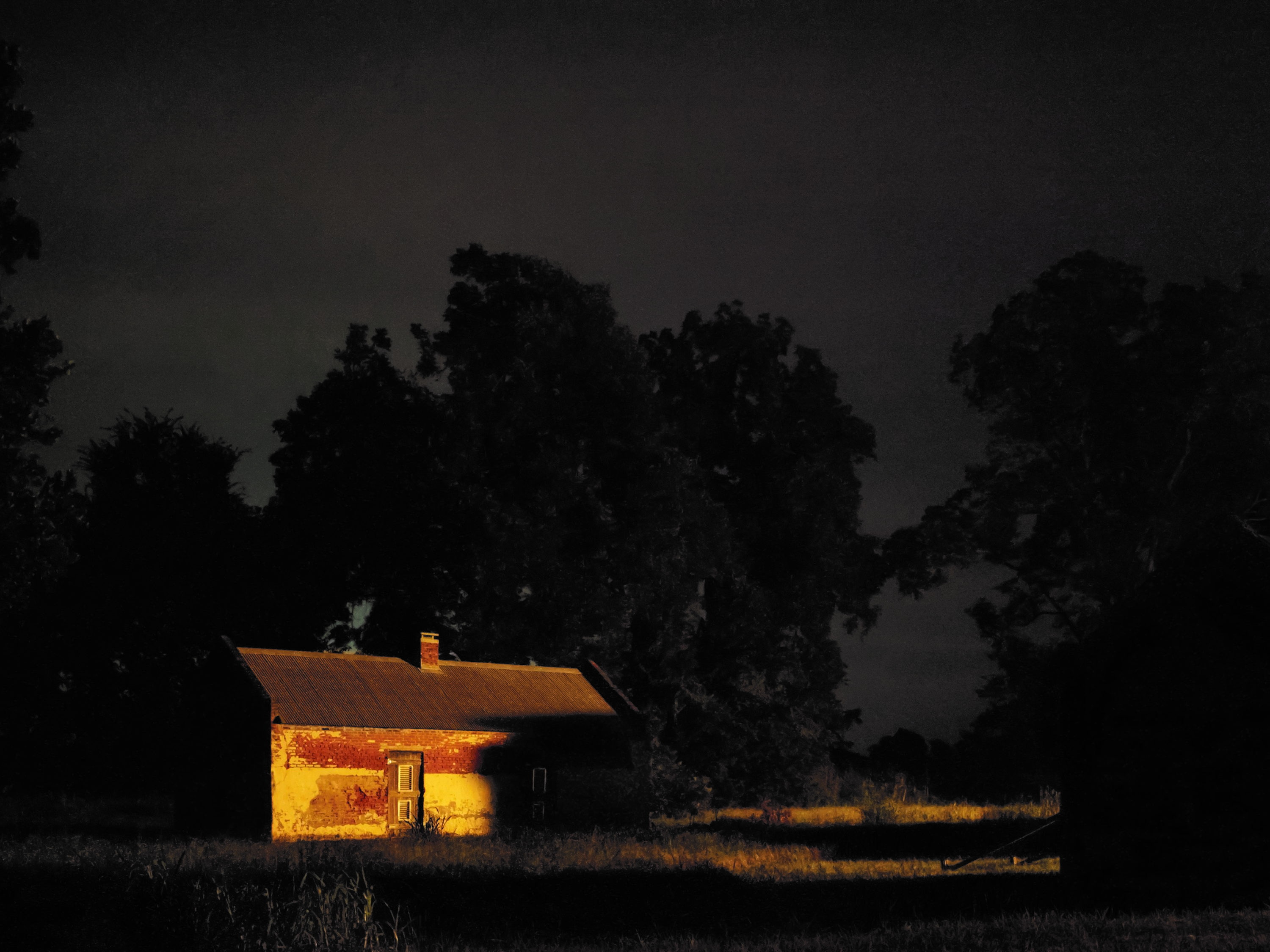
George Santayana’s words were motivation enough for artist Jeanine Michna-Bales. The Indiana native, who spent 14 years researching and photographing sites along the Underground Railroad, now has 13 photos on display at the Phillips Collection in a series called “Through Darkness to Light,” marking 400 years since the transatlantic slave trade began.
For Michna-Bales, the Underground Railroad had always been something she learned about in school or read about in books—but she hadn’t seen it.
“I kept wondering what that would look like,” Michna-Bales says. “There was a lot of information about what people had gone through, but there was really no visual reference.”
In her photography, she envisioned a passage north from Louisiana to Canada. Her work, informed by meticulous research, maps a route to freedom through Mississippi, Alabama, Tennessee, Ohio, and Michigan, including real safe houses and sites on the Underground Railroad along the way.
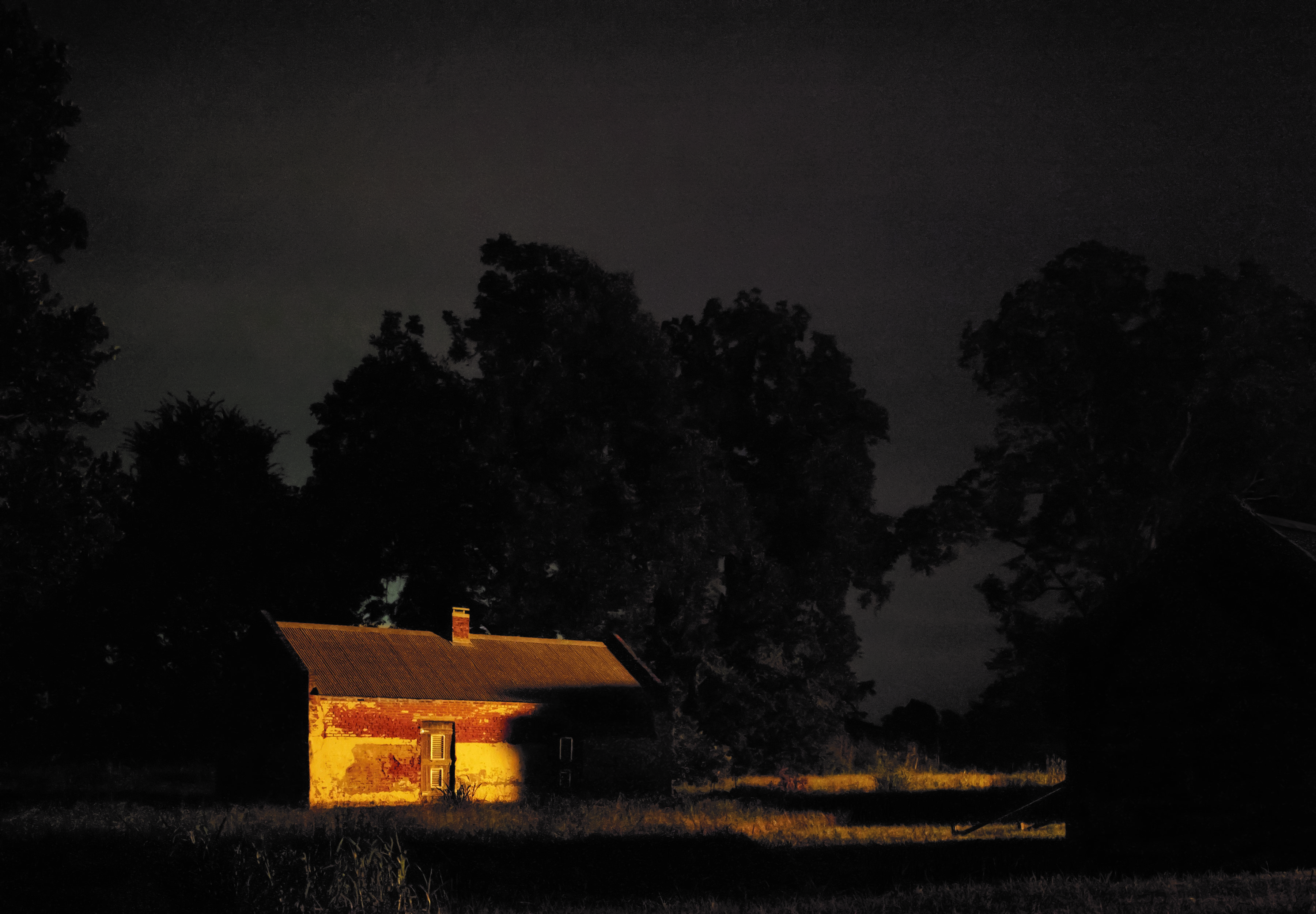
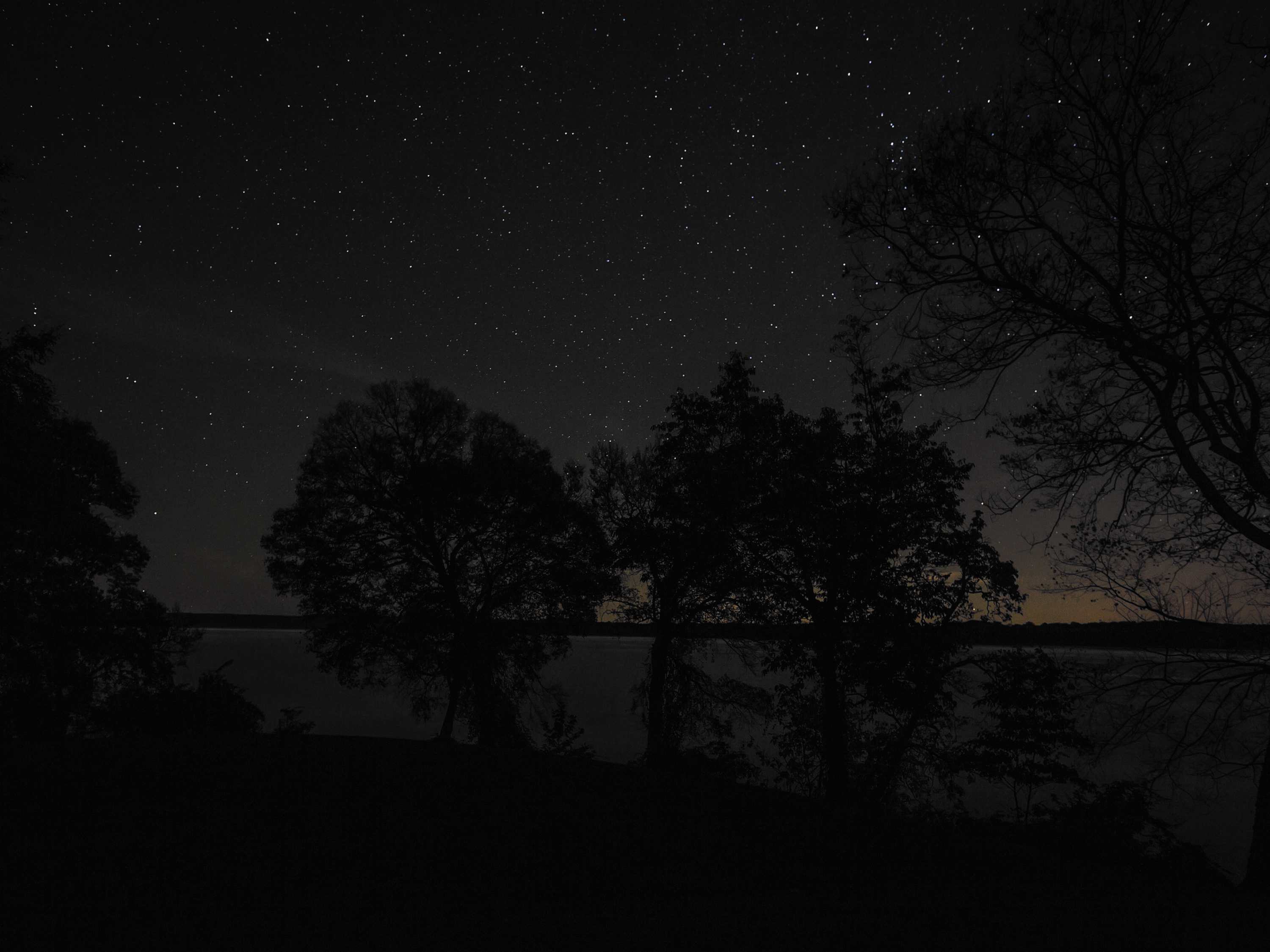
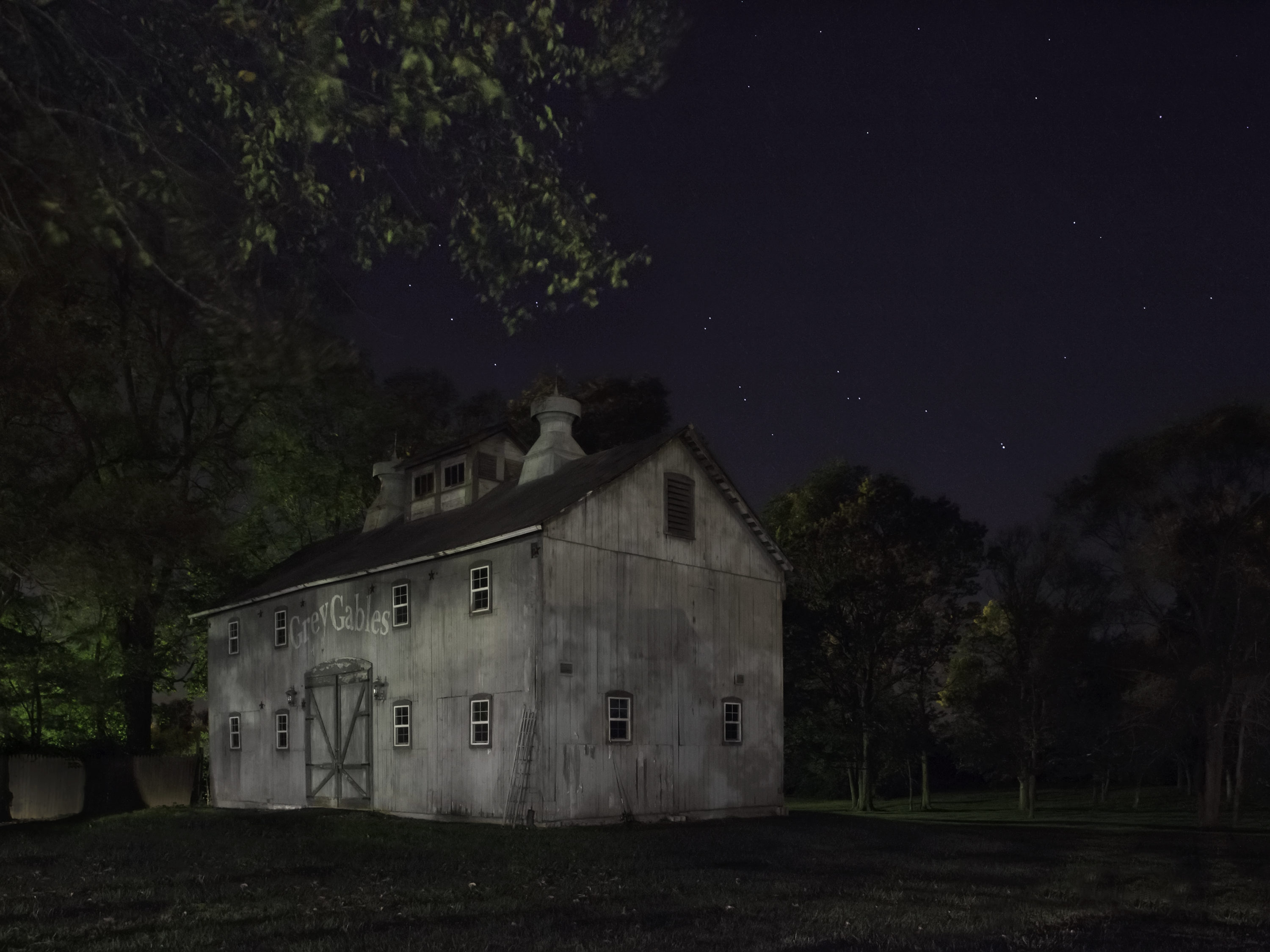
Michna-Bales photographed her sites almost entirely at nighttime. “That’s when [escaping slaves] moved … sometimes 20 miles a night,” she says.
The dark, painterly landscapes—haunting and otherworldly—depict a 1,400 mile journey through rivers, woods, and temporary refuges.
The first photo in the series, “Decision to Leave,” shows a cabin on the Magnolia Plantation, located on Louisiana’s Cane River, against the backdrop of a night sky. Michna-Bales wanted that image to convey “all that’s at stake,” as if the freedom seeker was looking over their shoulder one last time.
Though people are absent from the photos, there’s a first-person urgency and a focus on the agency of the freedom seeker.
“What we’re beginning to understand more and more is the enslaved are actually helping the enslaved get to freedom,” said Spencer Crew, a George Mason history professor during a panel discussion with Michna-Bales at the Phillips Collection earlier this month.
Based on what little we know, Crew says, it’s estimated that about 100,000 individuals escaped slavery through the Underground Railroad.
The goal of the series, Michna-Bales says, was not only to shed light on this history, but also reflect on its continued effects—in the prison industrial complex and in the modern-day slavery that still takes place all over the world.
Evelyn Chumbow, a survivor of trafficking and an activist, described her past during the panel. “I was trafficked from the age of 9 until I was 17,” she said.
Originally from Cameroon, Chumbow was sold into slavery when she arrived in America. She was forced to cook, clean, and care for two children in Silver Spring, Md.
“I didn’t know where to escape. I didn’t know how to escape,” Chumbow says. “Every day, I was just cooking and cleaning. I didn’t have a bed. I slept on the floor.”
Like so many of the enslaved people before her, Chumbow said, she didn’t keep a record of what happened to her. “I was 9 years-old,” she says. “I was scared. Think about it.”
A century and a half later, said Phillips Senior Curator Elsa Smithgall, the legacy of slavery remains—but so does the legacy of the Underground Railroad.
Only today, in the 21st century, the path to freedom is lit by organizations helping to raise awareness, like Free the Slaves in Washington.
Raising awareness was also Michna-Bales’s goal in her photography. “It’s about conversations,” she says.
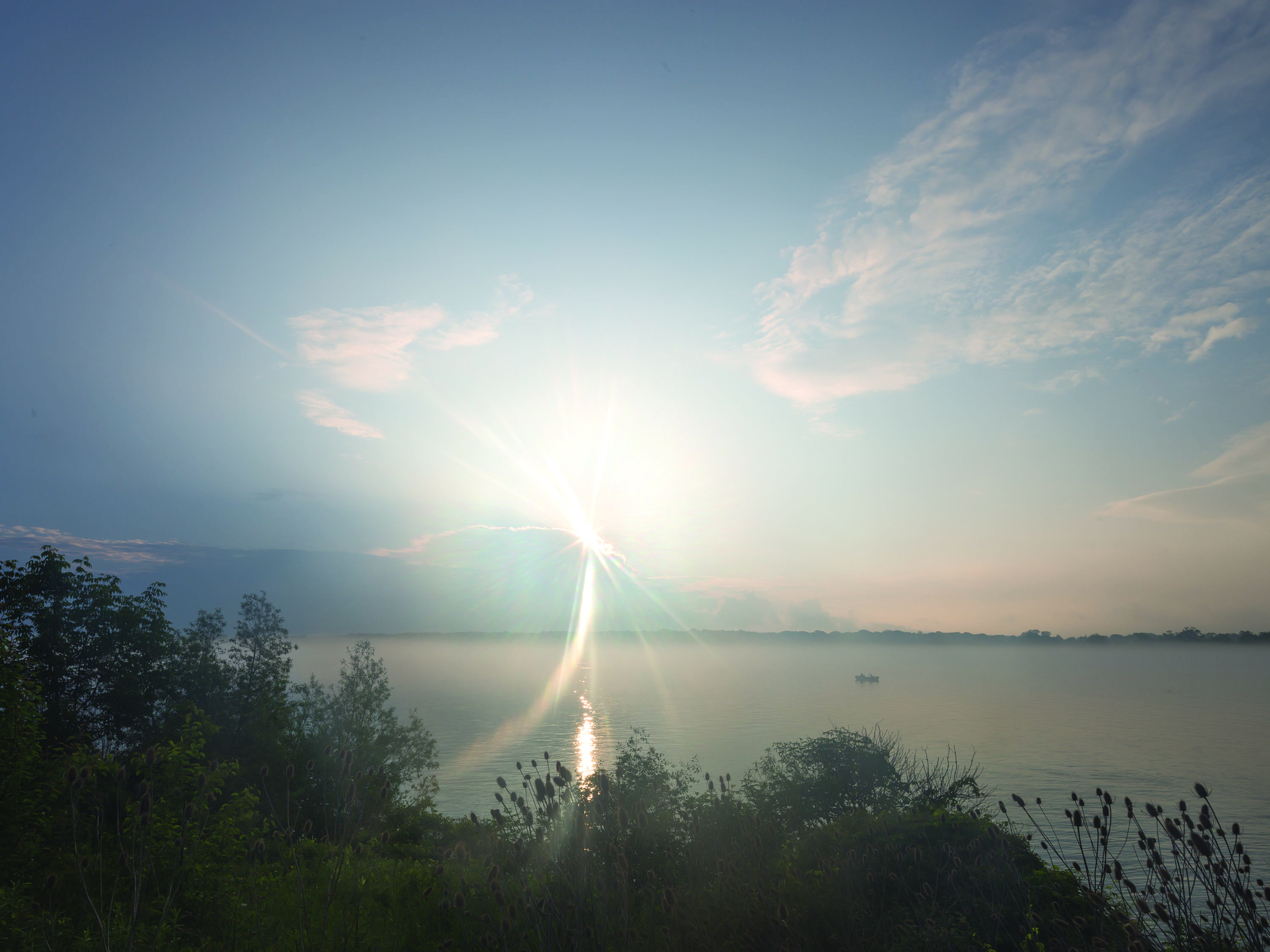
The last photo in the series, “Within Reach,” shows the St. Clair River in Michigan and, on the other side, Canada. It isn’t dark any longer. The sun is rising.
One of the audience members asked Michna-Bales how she managed to find beauty in so much pain.
“Mostly, I was trying to show light,” she said.
Selections from Jeanine Michna-Bales’“Through Darkness to Light: Photographs along the Underground Railroad” will be on display at the Phillips Collection through May 12. $10