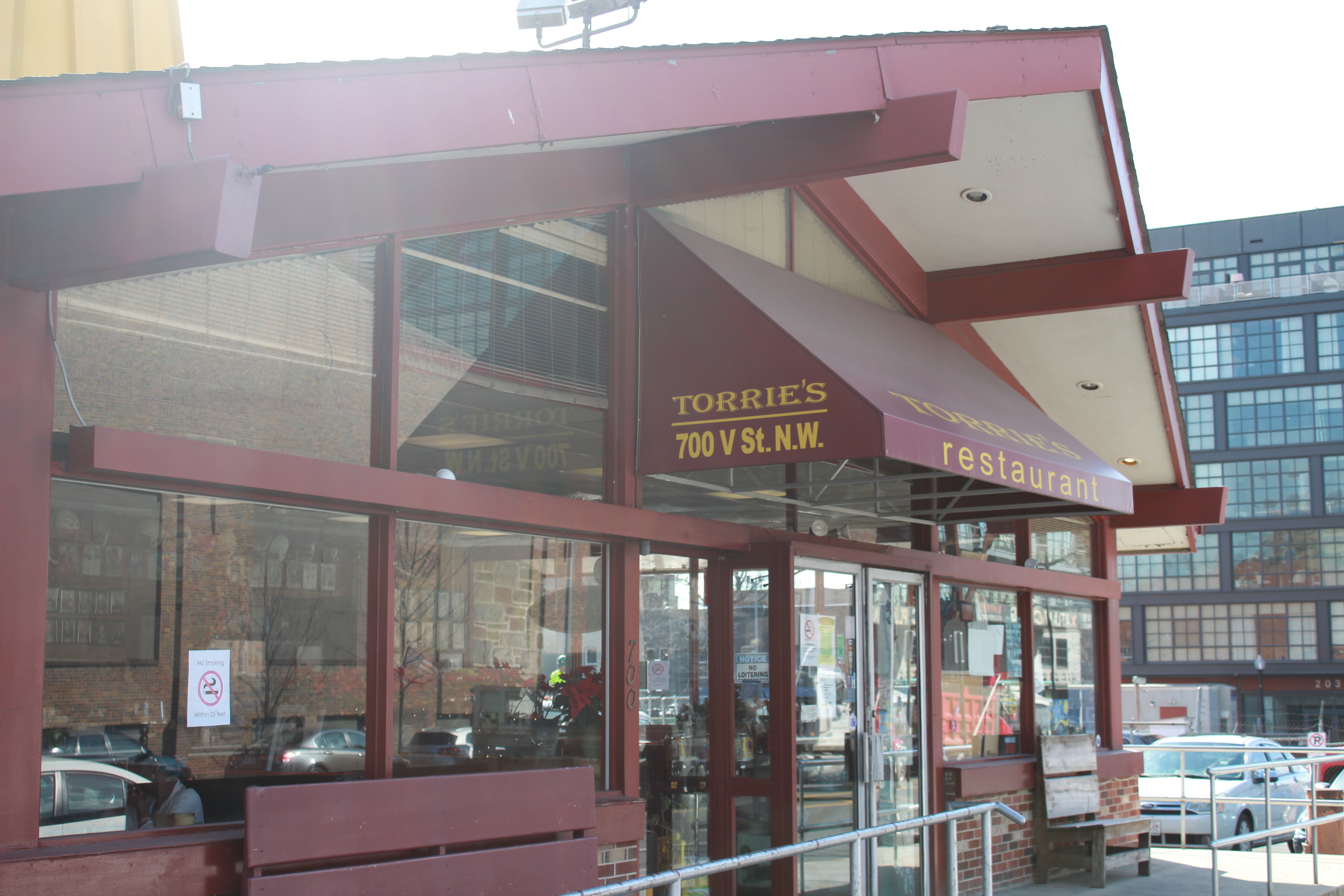

On most weekdays, you’d be hard-pressed to find any hustle and bustle inside Torrie’s, the red-walled restaurant across from Howard University Hospital. Saturday and Sunday, however, tell a different story: The place fills with crowds hungry for a plate of homestyle-cooked food from the all-day breakfast menu. One DCist reader thinks it’s time the 20-year old restaurant got some buzz.
“You guys have done stories on Ben’s Chili Bowl and Florida Avenue Grill, but I’ve never seen anything about Torrie’s down the block from [the 9:30 Club],” Akio Stribling, a longtime D.C. resident and patron of the restaurant, wrote to DCist. “Howard students have been going there for ages, but I’d love to know the back story.”
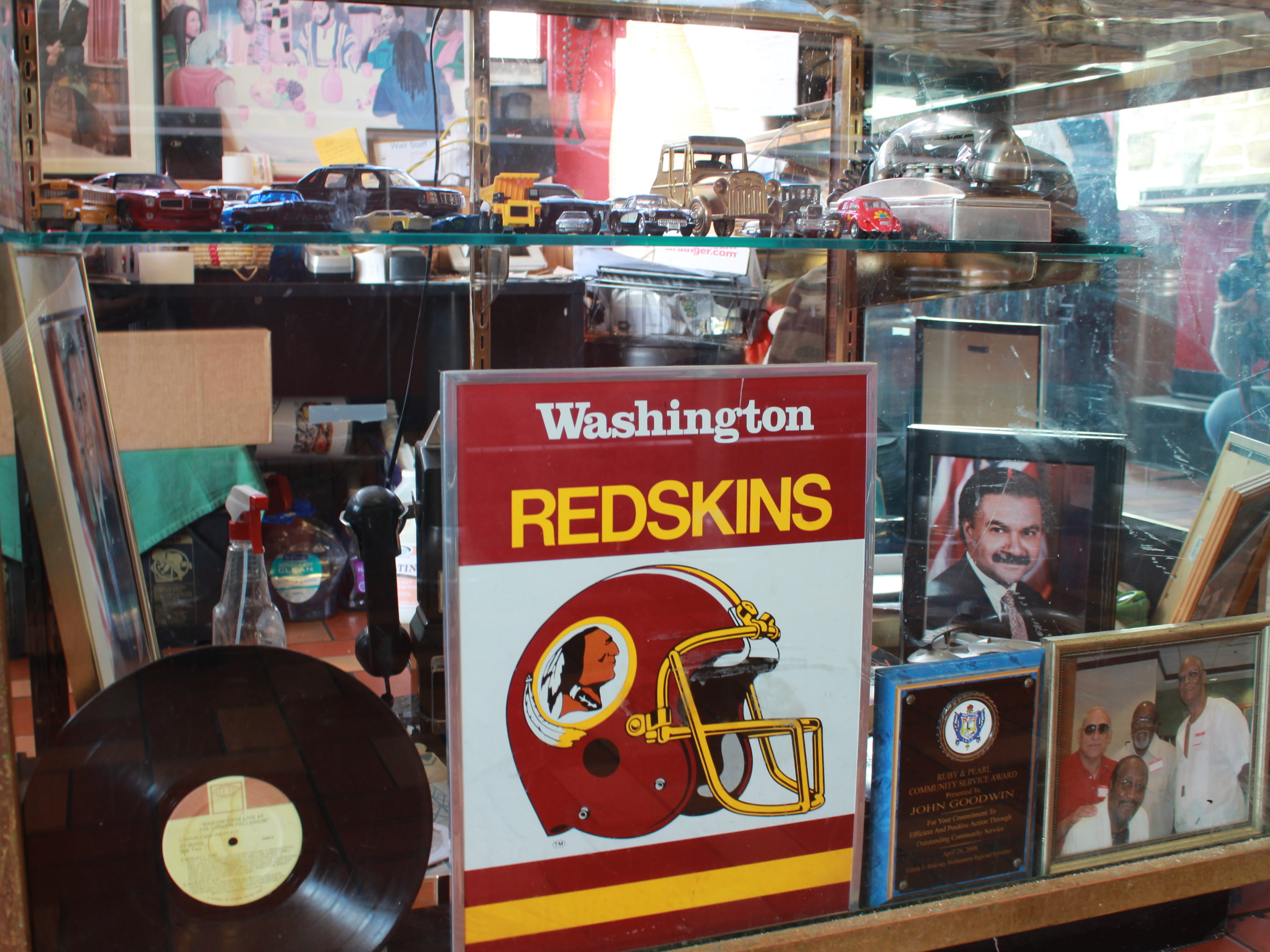
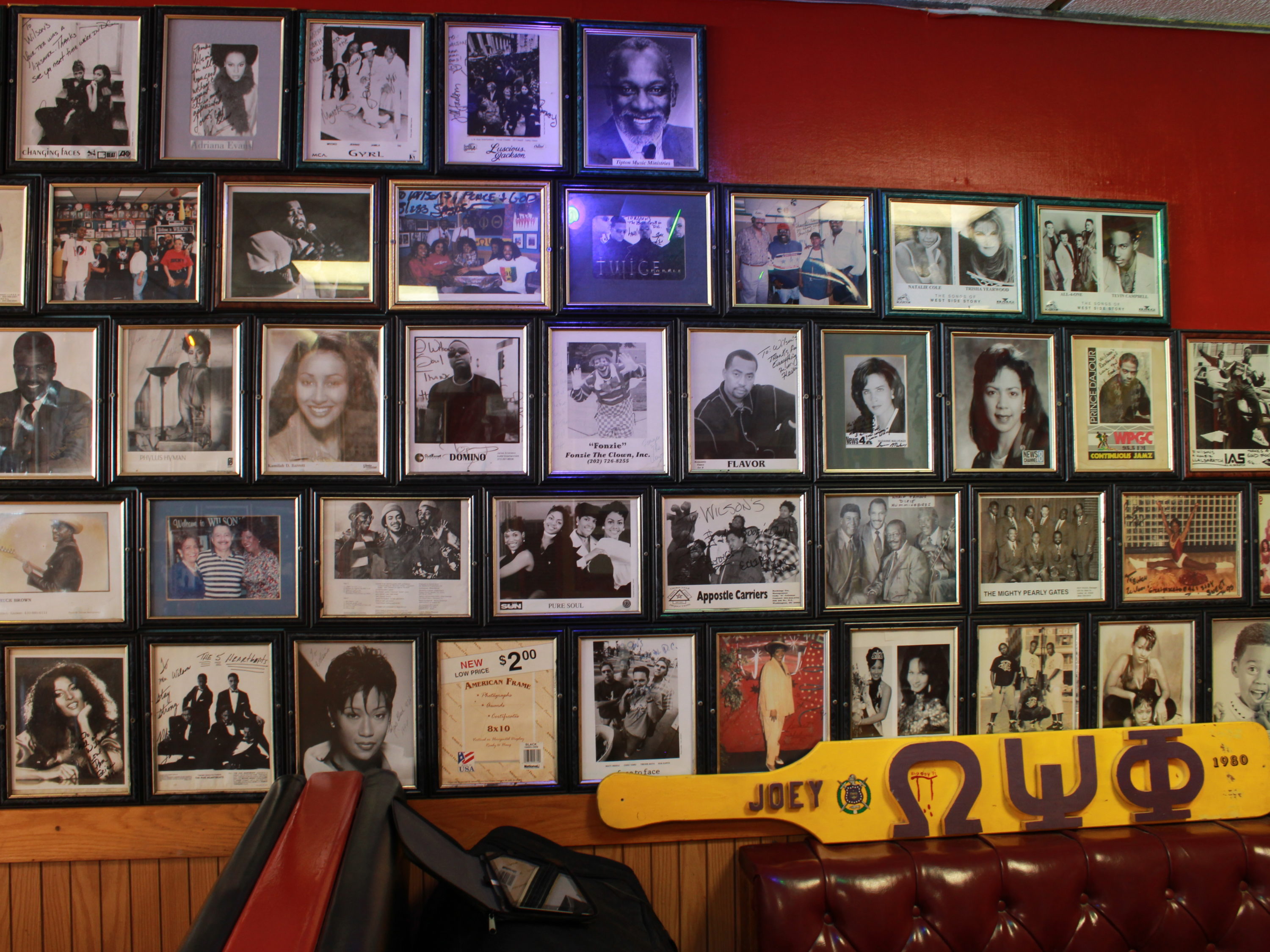
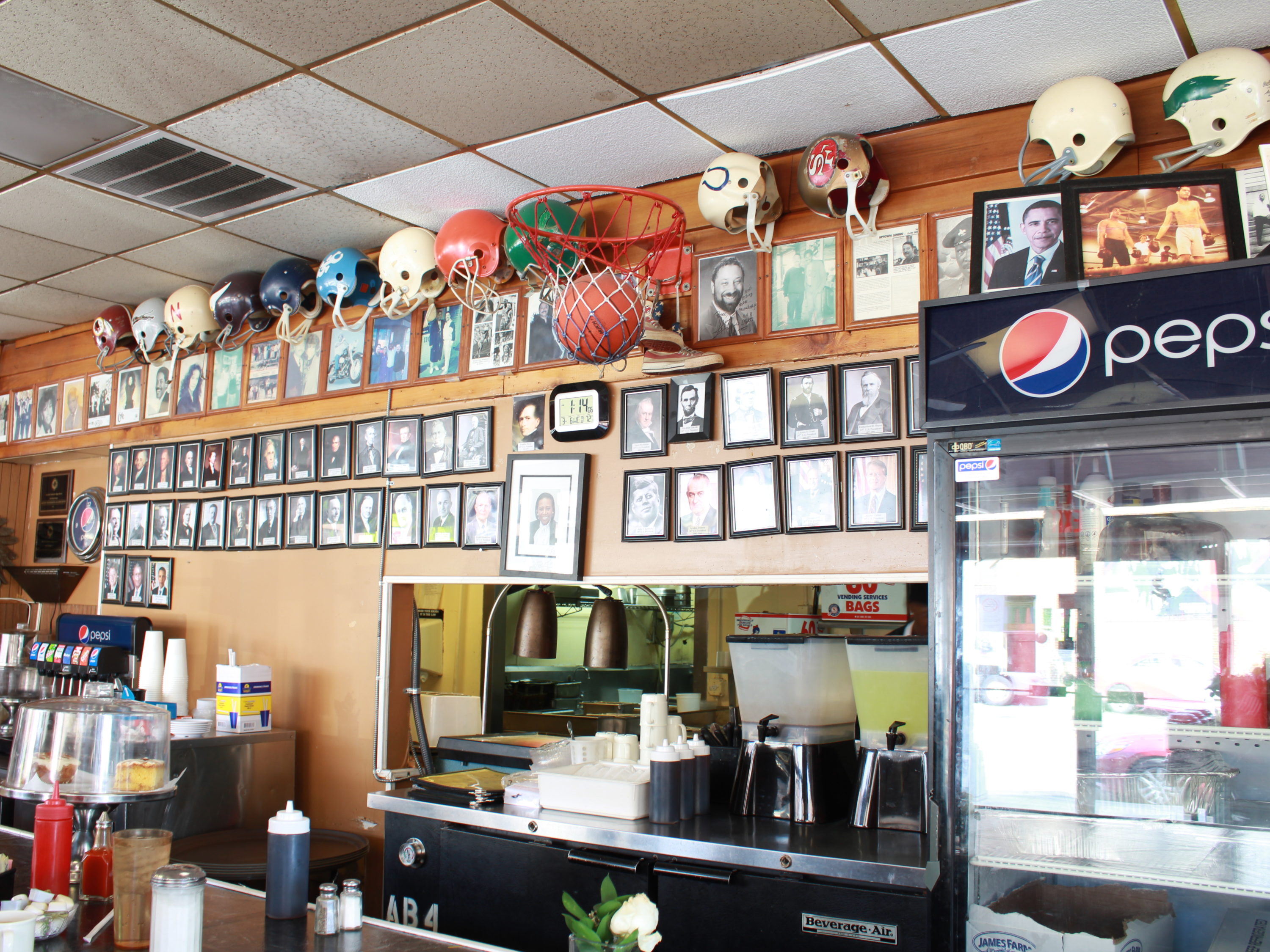
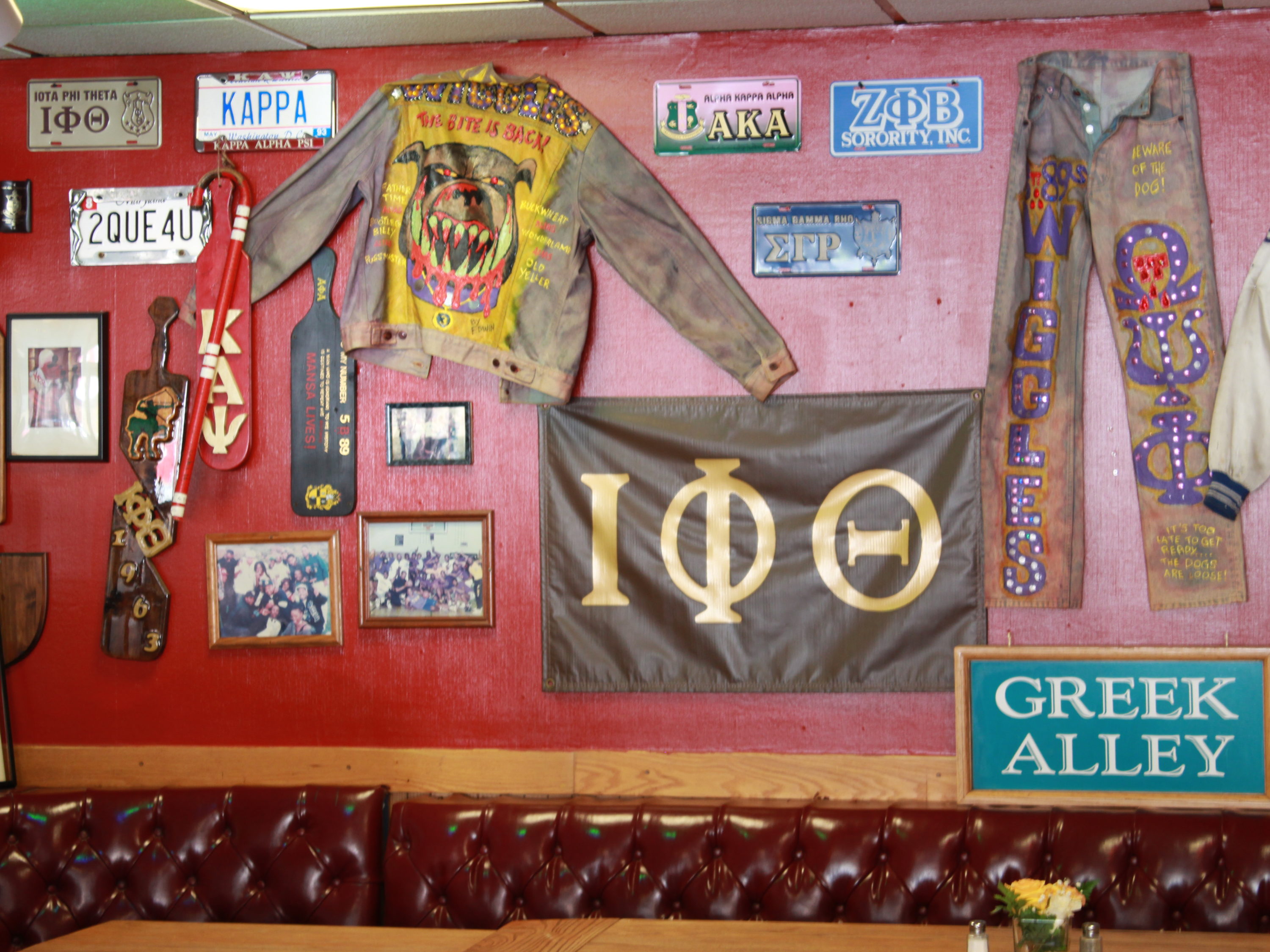
Torrie’s captures the essence of D.C. and its black community with its decor: The diner is covered wall to wall with signed photos of famous past guests—like Pam Grier and The Five Heartbeats—and local celebrities, including D.C. news anchors and radio host Prince DaJour. There’s also memorabilia from the “Divine Nine” African American Greek organizations, many of which were founded at Howard University, just blocks away from the restaurant.
In addition to its soul food-packed menu, which includes delicacies like scrapple and chitterlings, the small staff warmly greets guests and makes them feel at home with conversations over the counter. “It’s a real diner experience,” Stribling says. “It’s a kind of restaurant that’s just disappearing.”
In the time since owner John Goodwin took over Torrie’s in 1996, he’s seen the neighborhood in the heart of “Chocolate City” welcome new businesses and mixed-use developments. However, with the changes, Goodwin says he’s also witnessed a large number of the once predominantly black population and black-owned businesses disappear from the area.
In 1990, the area surrounding Howard University was 78 percent black. By 2010, the black population of the neighborhood had decreased to 44 percent. Along with the change in demographics, the average household income had increased drastically. The median household income in 1989 for Shaw was $61,652. The number climbed to $146,883 between 2011-2015.
Additionally, property values skyrocketed. The median home price in 1995 sat at $147,000. By 2016, homes in the area were being sold for $846,000. High-end developments moved in, including The Shay and its revolving door of retail concepts, which currently include local boutique Lettie Gooch and the perfume shop Le Labo. Just a block away from Torrie’s is Atlantic Plumbing, which houses a Landmark movie theater and ramen restaurant Haikan. Units at The Shay start at approximately $1,900; Atlantic Plumbing studios start at around $1,700.
“Our base has left the area,” Goodwin says.
Before it was Torrie’s, 700 V Street NW was a host of eateries over the years. Past Howard University students including Denzel Gordon, a frequenter of Torrie’s for 20 years, remember the building as a McDonald’s, then a Roy Roger’s Chicken shop, but additional details are scarce. In the early 1990’s, D.C.’s historic Gospel Spreading Church, located right next door, purchased the property in an effort to, according to the church’s treasurer James Stokes, stop the possibility of a business such as a liquor store from moving in.
The restaurant became Wilson’s in 1994. Named after its then-owner Joe Wilson, the son of Lacey Wilson Sr. of Florida Avenue Grill, the Southern restaurant attracted customers with its promise of home style meals at affordable prices, a motto that Goodwin has continued in his ownership. Goodwin acquired the restaurant and changed its name in 1996.
In addition to the restaurant operation, Torrie’s also caters to halfway houses, senior citizen care facilities, and childcare facilities like Tucker’s Childhood Development Center in Southeast. The catering business has allowed Torrie’s to keep prices steady, Goodwin says, “so we can continue to feed the people around us.”
Torrie’s is also known to open its doors on Christmas to feed the community, including military veterans, people experiencing homelessness, and seniors, with a traditional down south meal.
“My belief is that someone ought to stay and be here for the people,” Goodwin says. “We do a lot for the community and we deal with a smaller staff. Everything here is made from scratch and we don’t waste anything.”
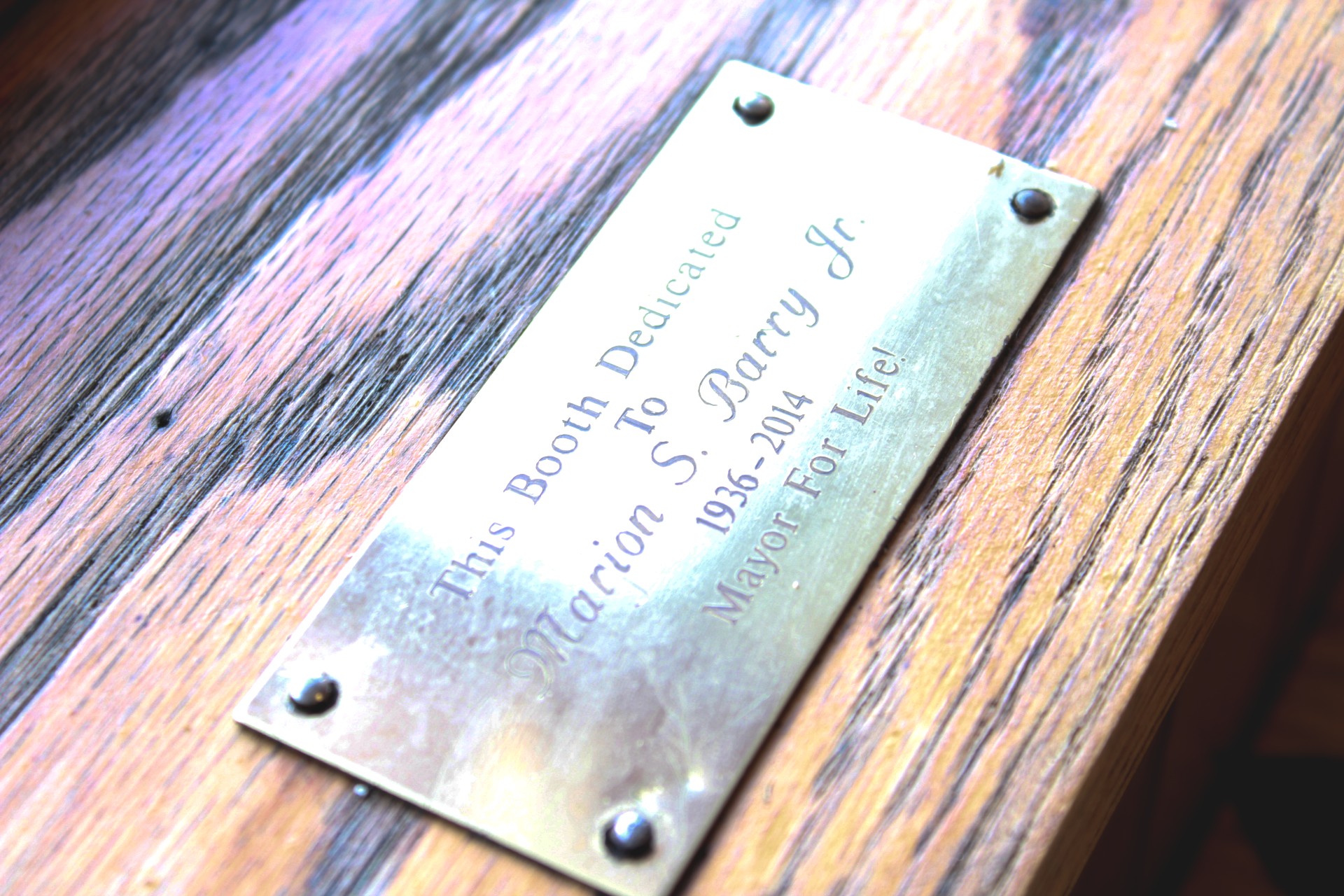
Loyal customers continue to partake in the Torrie’s experience. “It’s a part of D.C.’s black historic landmarks.” Desma Blocker, another long-time Torrie’s diner, tells DCist as she slides into a booth dedicated to former D.C. Mayor Marion Barry, a frequent customer. It’s located just inches from the restaurant’s memorial photo of D.C. civil rights activist, comedian, and Torrie’s customer Dick Gregory. “It’s had stars and all this history in the walls here,” says Blocker.
Gordon says he continues to support Torrie’s because “basically we love supporting black entrepreneurs because there aren’t many around here.”
Goodwin says he’s not fazed by the changes to the neighborhood around Torrie’s. “We are like a mountain in the area that won’t be destroyed because of gentrification,” he says.
This story is part of our food coverage generated by reader questions. Ask your own question below: