 Jordan Pascale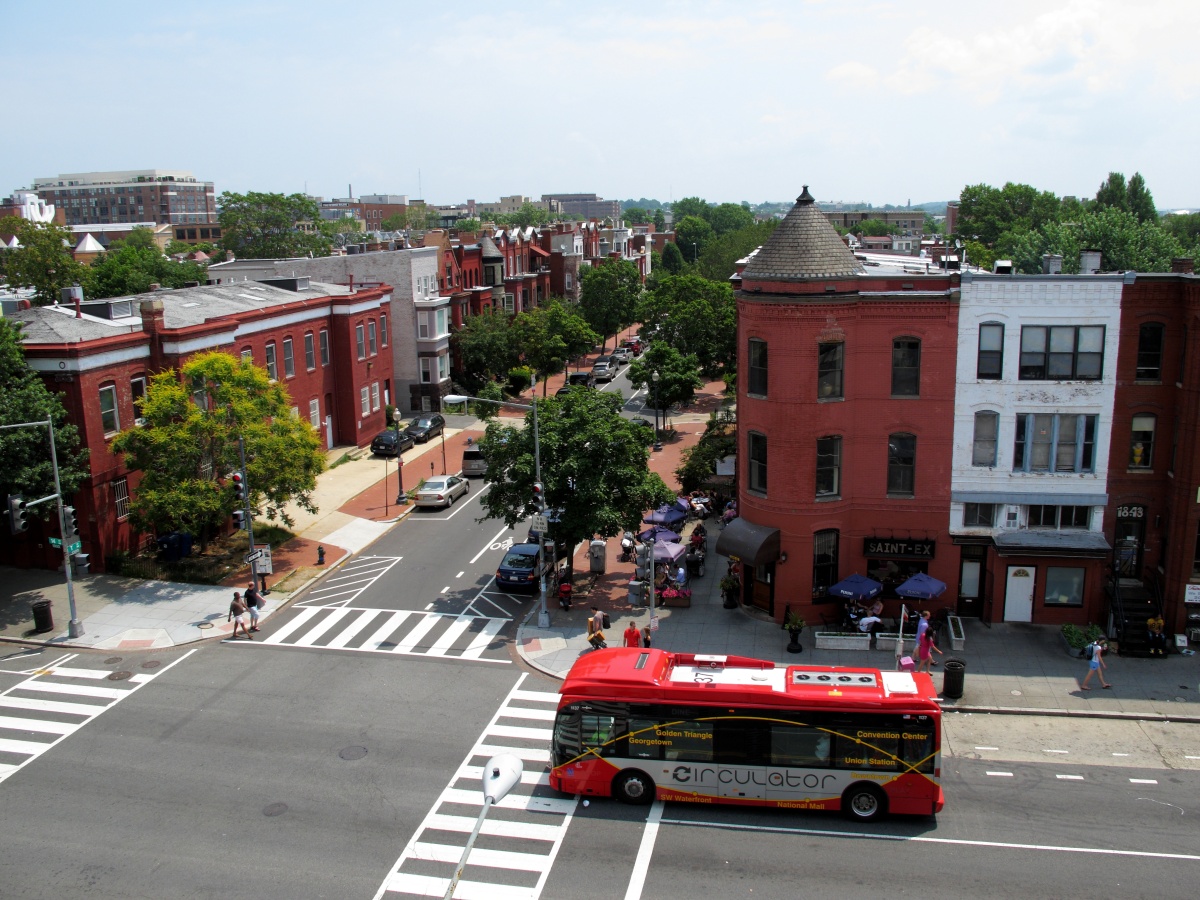
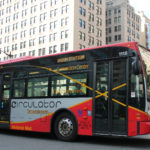
When Mayor Muriel Bowser announced that she was making the D.C. Circulator bus free to ride, she said it would promote transit equity and give people an incentive to ditch their cars.
But now councilmembers on the transportation committee, including chair Mary Cheh of Ward 3, are saying, “prove it.”
They say there’s not enough evidence to justify spending $3.1 million to cover everyone’s $1 fare. The committee has asked for further analysis, and want to remove the issue from the mayor’s proposed budget in the meantime.
In changes to the mayor’s proposed budget approved Thursday, the committee says “that a decision of this magnitude merits a larger discussion, including how it fits in with the District’s overall public transit goals, which does not appear to have taken place.”
The committee members wrote that they’re unsure if the Circulator is attracting new riders or simply redistributing riders from Capital Bikeshare and WMATA. They were skeptical of numbers provided by the mayor’s office.
“According to data provided to the Committee by DDOT and reported in the press, February Circulator ridership increased by just 0.3 percent over 2018 figures,” the committee wrote. “After DDOT provided the Committee with this data, however, the Mayor released different figures that show ridership in the month of February increased by 6 percent, conveniently coupled with a public messaging campaign from the Mayor’s Office to ‘Keep Circulator Free.’”
The mayor’s office said the earlier numbers were a rough estimate.
The committee also wrote they want to help District residents, not the tourists and out-of-state riders who make up a third of Circulator ridership, according to a 2015 study.
“$3.1 million could be better spent on initiatives that more directly benefit District residents,” the committee wrote. “This is an expensive proposal with little to no evidence to date that it will achieve its stated goals.”
At a committee meeting to discuss budget changes Thursday, Ward 6 Councilmember Charles Allen said he was against free fares. He said he understands that people enjoy the free Circulator, but the council needs to think bigger on the best way to achieve transit equity.
“When we think of transit equity… if we’re really trying to increase transit equity and make transit a viable option for all District residents, we should think even bigger,” Allen said. The Circulator mostly serves areas around the National Mall and the core of the District but does not go into Wards 3, 4, and 5. A new route is proposed for Ward 7.
Ward 4 Councilmember Brandon Todd, however, favored making the buses free.
There were moments of drama and confusion as Ward 5 Councilmember Kenyan McDuffie moved to adjourn the committee before they could vote on their recommendations. He was upset at the inclusion of an additional 1 percentage point tax increase on sodas and other beverages, and said the hearing was not the proper venue to propose a tax increase. They later reconvened to pass the report to the full council.
The budget process wraps up at the end of the month.
Scooter Parking And Speeds
Committee members are also considering mandating one designated scooter corral in each business district. Many residents complain that careless scooter riders leave their vehicles parked haphazardly and sometimes blocking sidewalks. Arlington painted spots on some streets to help curb the behavior.
Now the committee is proposing $115,000 to do the same.
“The Committee does not intend to require personal mobility device users to park in a designated parking place, however, (we) believe that if such spots are available, (riders) will use them,” the report said.
Another proposal would increase the currently capped 10 mile per hour limit for scooters and raise it back to 15 to allow riders to more safely use bike lanes and streets instead of sidewalks.
Congestion Pricing Study
In the committee’s proposed budget changes, about $475,000 would be set aside for studying “congestion pricing,” an idea recently implemented by New York City to charge drivers to enter parts of the city during peak periods.
“Traffic in the District is a constant inconvenience for District residents, and with the likely proliferation of autonomous vehicles in the future, the Committee fears that the issue of excessive traffic may become even more pronounced,” the report said.
The study would look at travel within the District by residents or just charging options traveling into D.C and include different pricing strategies.
Ward 2 Councilmember Jack Evans lamented a recent short trip that took an hour.
“You just can’t get around this city,” Evans said. “I’m excited about that (idea).
This story originally appeared on WAMU.