 Mikaela Lefrak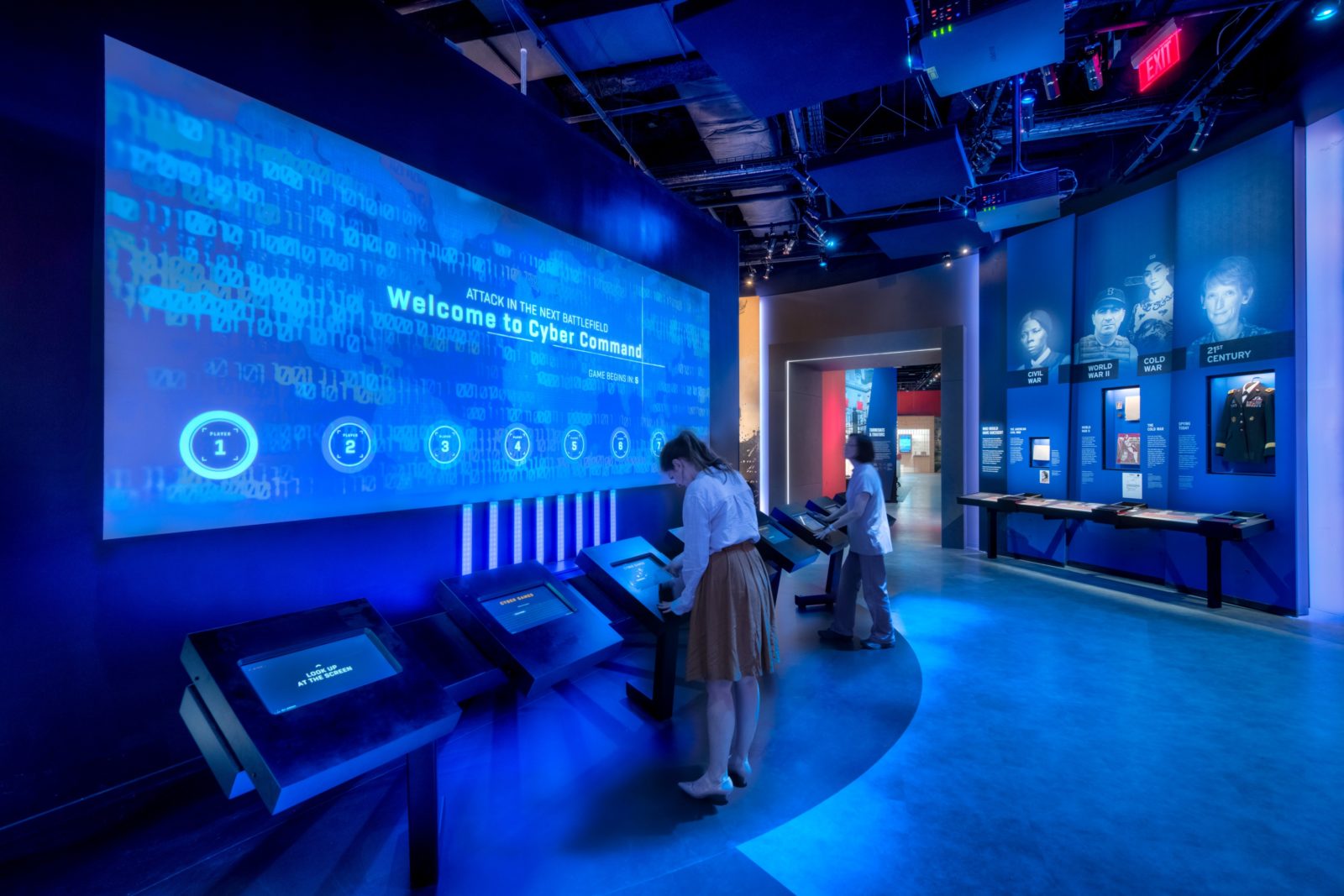
One of the first objects visitors will see when they enter the International Spy Museum’s new L’Enfant Plaza location is a weapon. An Amber drone, a precursor to the widely-used Predator drone of today, hangs from the lobby’s ceiling.
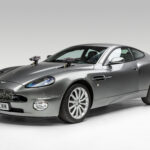
That very real tool of war sets the scene for what visitors will encounter in the rest of the $162 million facility. Fun facts about James Bond and Hollywood’s other famous spies are few and far between—though, yes, the silver Aston Martin Bond drove in 1964’s Goldfinger is on display.
Instead, the new museum, which opens Sunday, takes on current affairs and ethical issues faced by intelligence officers. There are exhibitions on “advanced interrogation” (a.k.a. torture) and Russian interference in the 2016 presidential election.
“We’re not cheerleaders for the intelligence community,” said Col. Chris P. Costa, the museum’s executive director, to the crowd of journalists who had gathered for a preview tour on Tuesday. “We tell narratives about how operations play out across the globe.”
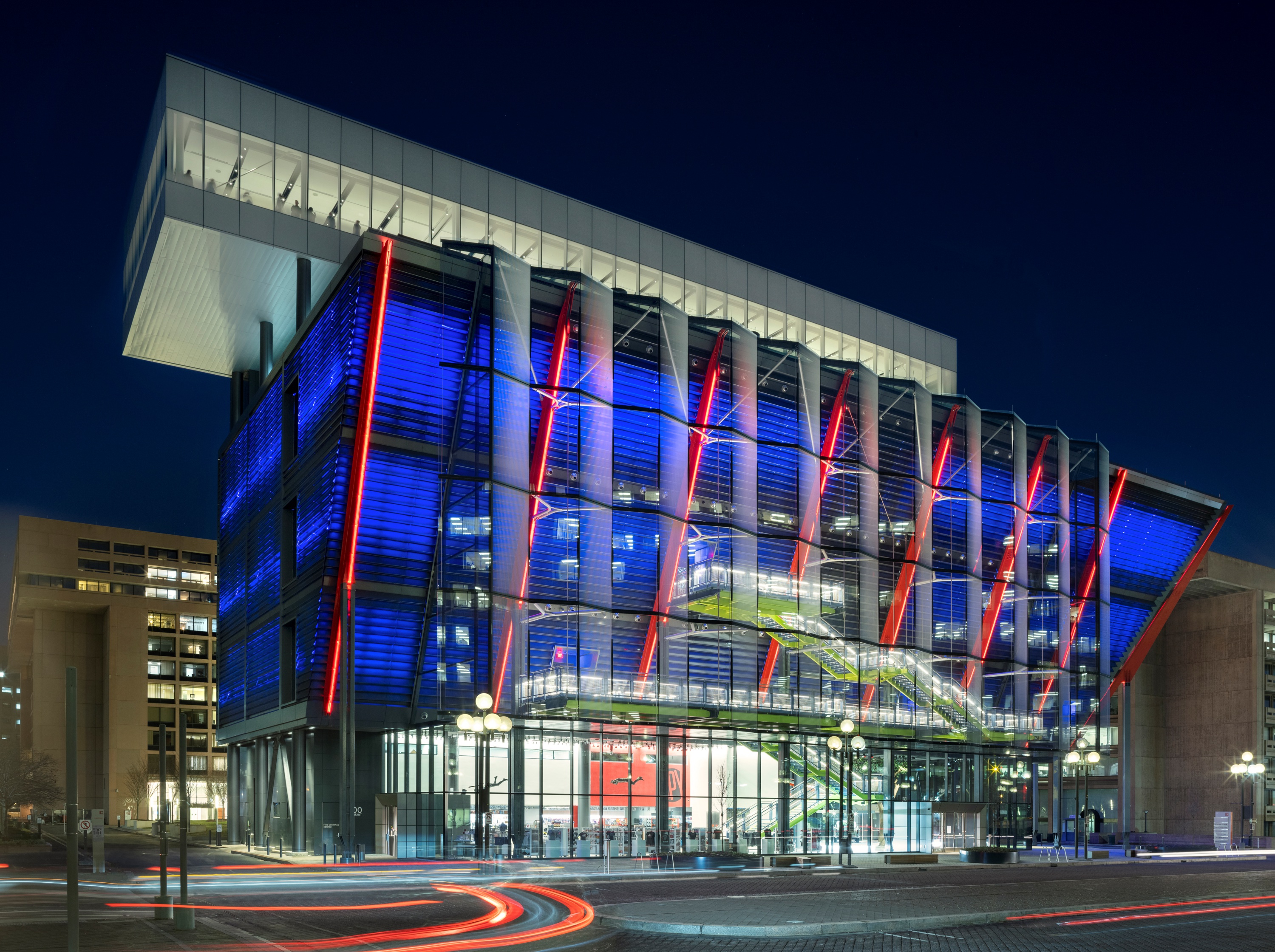
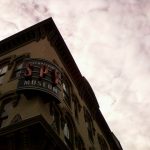
The exterior of the new building at L’Enfant Plaza.
Curators had thousands of artifacts to rely on to help them profile spies throughout history and dive into broad philosophical questions about espionage.
The museum’s collections tripled when founding Board Member H. Keith Melton and his wife, Karen Melton, donated 5,000 objects from their collection of espionage artifacts in 2017. The museum is now replete with evasion devices, cipher machines, disguises, secret writing and listening tools, weapons, clandestine radios, spy cameras, and uniforms from the KGB, CIA, FBI, Stasi, and MI6. There’s even a Cold War-era pistol that looks like a tube of lipstick.
Curators also employed actors to portray famous spies throughout history in life-sized videos. In one, an actor from the TV show The Americans plays Dmitri Polyakov, one of the CIA’s most valuable Cold War assets. In another, an actor playing James Armistead Lafayette tells the story of his life as an enslaved black man who spied for the Patriots during the Revolutionary War.

Dead rat, or tiny spy?
The new building is like a glass eye in the middle of a Brutalist landscape. It was built to replace the museum’s old digs on F Street in Penn Quarter.
The Museum’s leadership see it as an anchor between the National Mall and the Wharf development; it’s less than a ten-minute walk from each.
“We don’t think two blocks off the Mall is very far for people to come,” said Tamara Christian, president and chief operating officer of the museum. Her team has worked with the Southwest Business Improvement District (BID) to install planters, benches, and tables to make the area more amenable to pedestrians and tourists. She also lobbied the National Park Service to refurbish the nearby Banneker Fountain.

An exhibition on advanced interrogation techniques includes a waterboarding kit.
While attracting that foot traffic is important, attendance won’t make or break the museum’s budget. The bulk of the new building—to the tune of $112 million—was paid for by the institution’s founding chairman, Milton Maltz, and related family foundations. There’s also a $50 million revenue bond backed by the Maltz family for which the museum is responsible.
Christian said she sees their financial situation as more stable than the Newseum, which sold its flagship building to Johns Hopkins University earlier this year amidst years of money trouble.
“We can have this museum operate beautifully based on the same attendance we had at the previous museum,” she said, referring to the 600,000 average annual visitors that came to the Penn Quarter location.

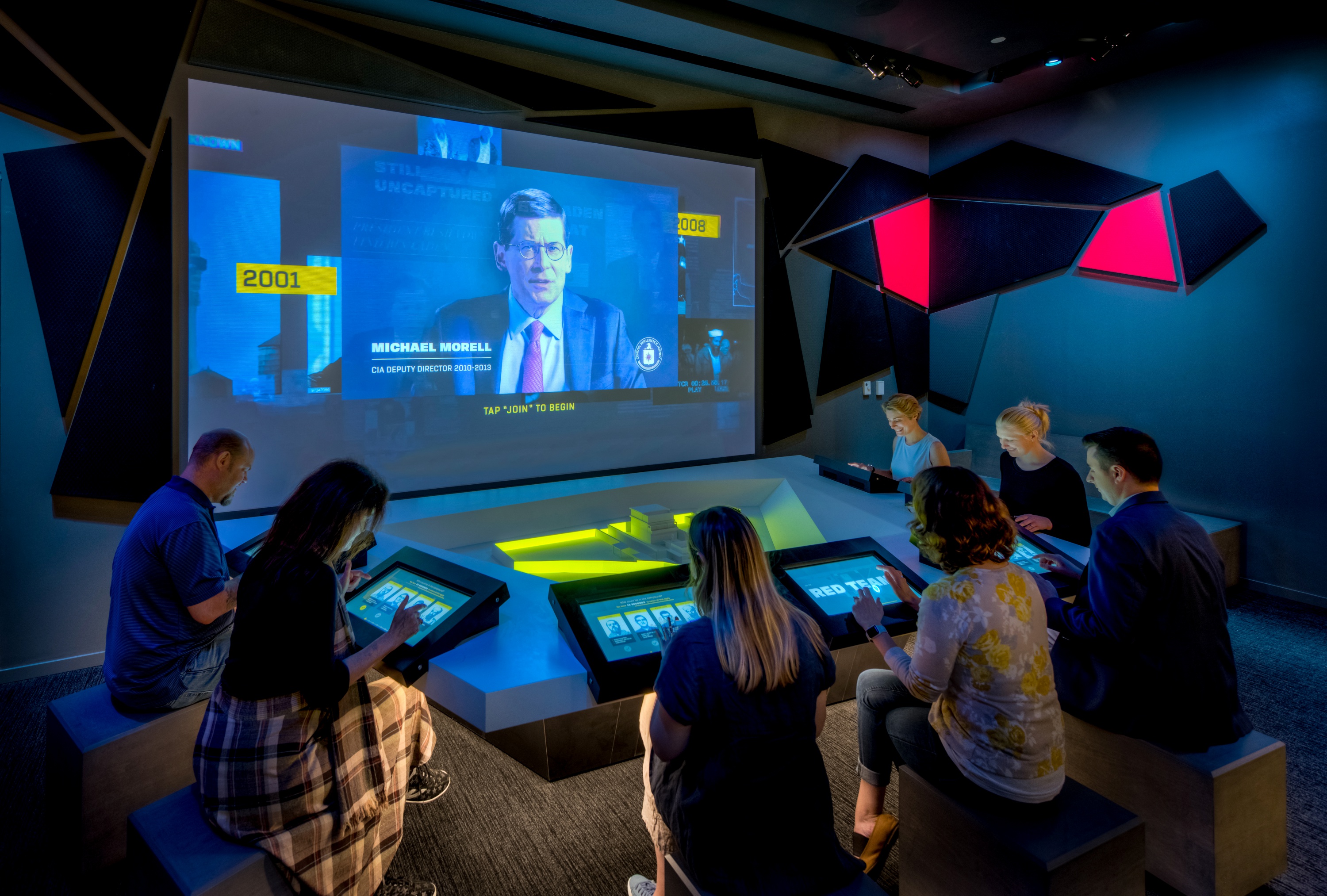
Interactive stations let visitors take on a spy cover identity and test their espionage skills.
When a visitor enters the gallery space on the fifth floor, she will be offered a badge and the chance to sign up for a spy personae and mission. Interactive exhibits will recognize her thanks to her badge’s radio-frequency technology.
Throughout her visit, she’ll be tested on her “spy skills.” She can participate in an exercise used in the hunt for Osama bin Laden, narrated by former CIA Deputy Director Michael Morell, or try to deceive her friends in an interrogation room modeled after ones used in East Berlin during the Cold War.
Adding in the modern subject matter and new technology was vital to the museum’s health, said Anna Schafer, the vice president of exhibitions and programs.
“In the sixteen years since we opened, the world completely changed,” Schafer said. “You don’t often get that kind of exciting opportunity to rethink a whole museum.”
The International Spy Museum reopens at L’Enfant Plaza on May 12. Tickets cost $24.95 for adults, $19.95 for seniors, military, law enforcement and college students, and $14.95 for children ages 7-12. The museum is free for children six and under.
This story originally appeared at WAMU.