Wheezing and watery eyes are once again plaguing the Washington area, and pollen is to blame. The thought of pollen tends to conjure sticky yellow dust that blankets cars and deck furniture alike. For chefs and bartenders, though, pollens provides distinctive flavors that are difficult to find otherwise.
“Pollen contains all of the best flavors of honey dialed up to 11, but without the sugar,” says Tom Martinez, manager and bartender at Shaw’s Columbia Room. Pollen’s notably earthy taste adds complexity, too. “Honey is great, but it’s sweet, and that sweetness can often mask a lot of the more subtle flavors of the different flowers,” he explains.
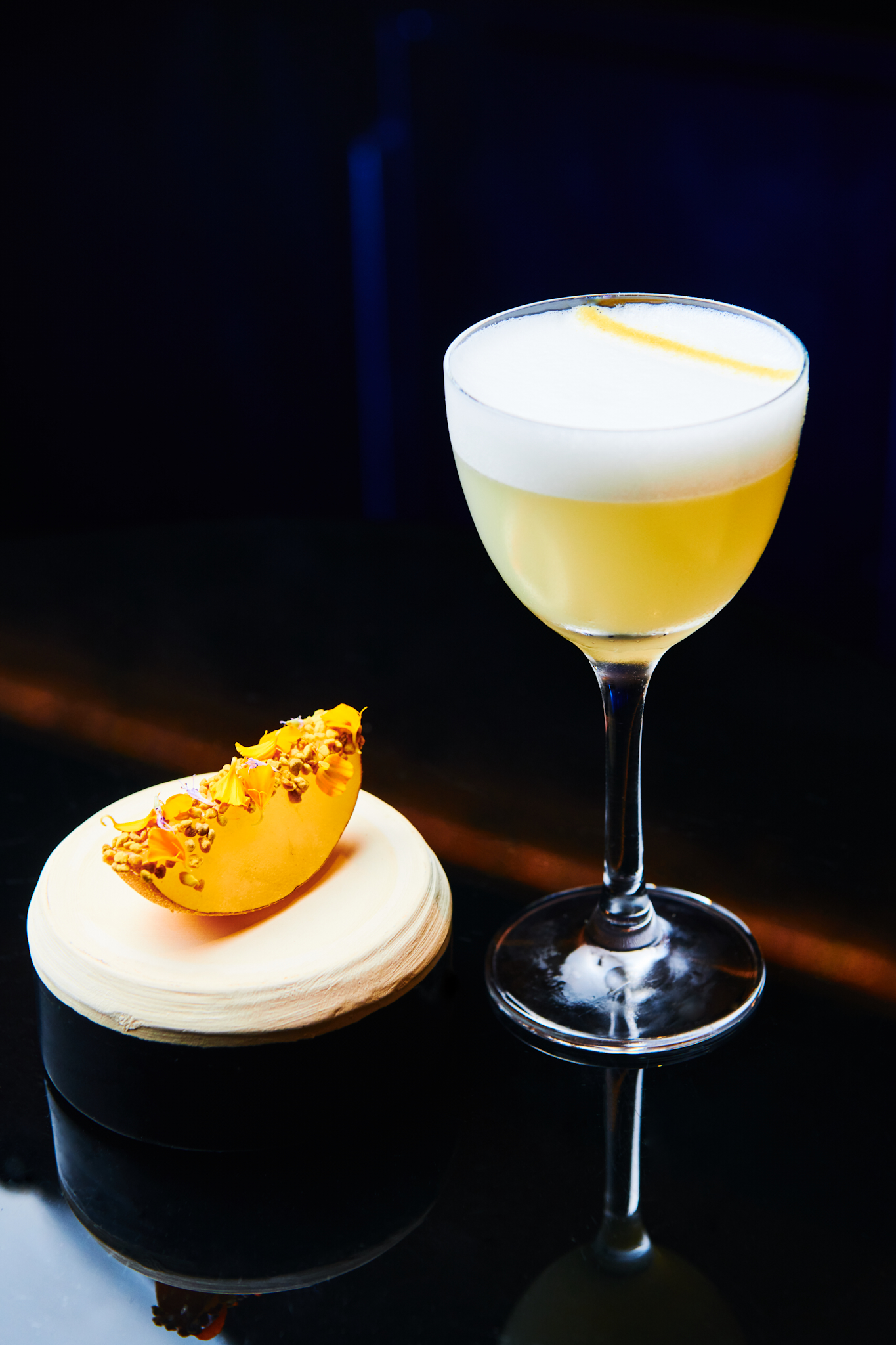
Martinez and Columbia Room’s culinary director Johnny Spero incorporated pollen into their new spring Tasting Room menu called Floriculture ($85 for four pairings of cocktails and bites). The Pollinator cocktail pays homage not just to bees, but also to bats, which pollinate the tequila- and mezcal-producing agave plant in parts of Mexico. Martinez starts with Altos Reposado Tequila, which comes from producers who are making a special effort to protect their local ecosystem and bat populations compared to traditional practices. Blanc vermouth takes care of most of the libation’s sweetness, but Martinez layers in agave syrup and refreshing jicama, a lightly sweet edible root from Mexico, because “as they say, what grows together, goes together,” he says. Aquafaba, or chickpea water, adds texture to the drink and foams up nicely to support a garnish of bee pollen. To set off the drink’s flavor, Spero cooks Nashi pear, native to Asia, in beeswax, and dusts the bite in bee pollen and flowers from local farm Fresh Impact.
Bee pollen’s floral notes perfectly set off juices, smoothies, and açai bowls, as well—even if claims about its health benefits aren’t exactly proven. The George Washington University and Georgetown locations of South Block offer a Killer B. bowl featuring bee pollen for $11. At Purée Juice Bar bee pollen can be added to any shake for $1.
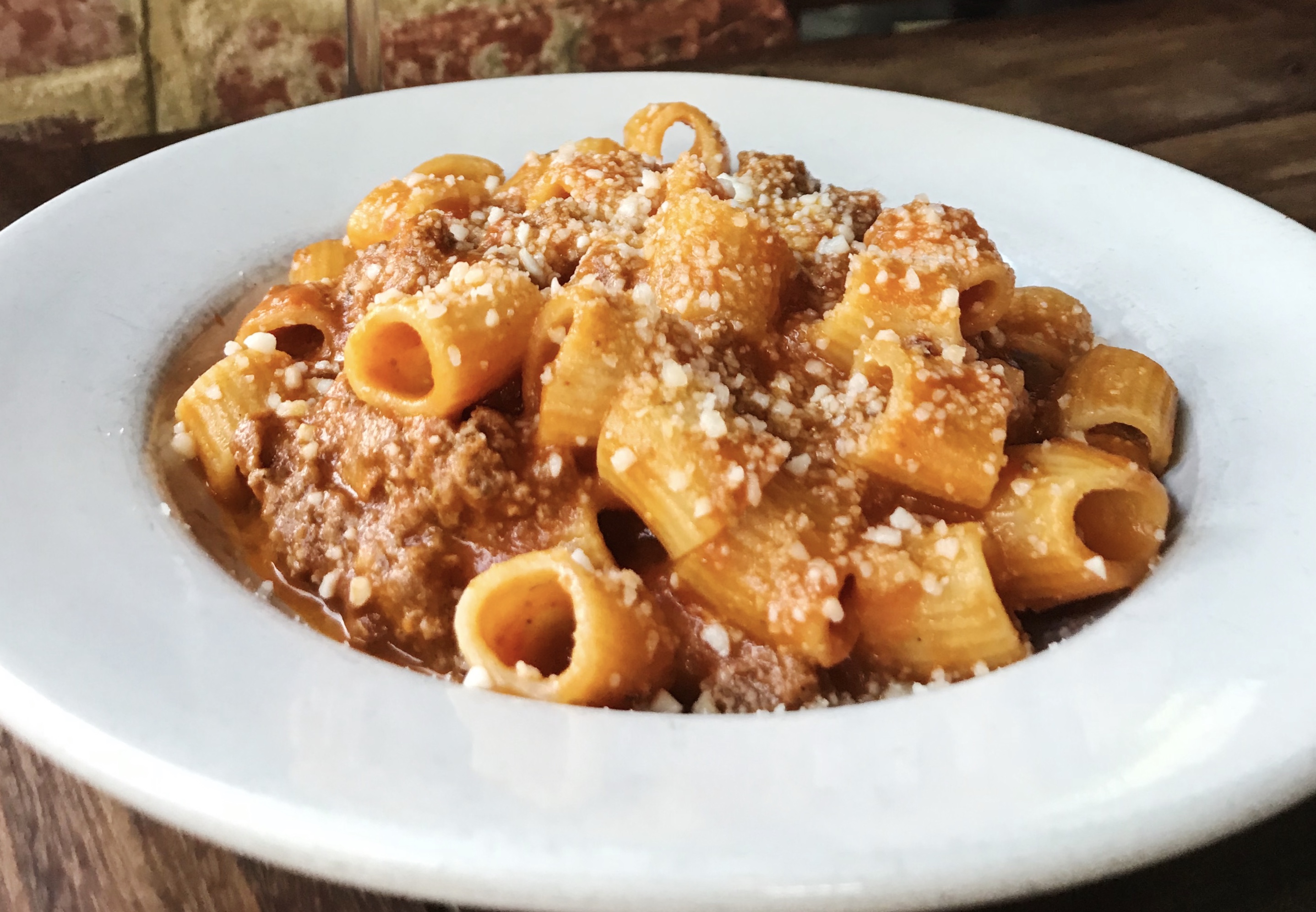
The Red Hen offers a meatier take on pollen in its signature mezzi rigatoni ($19). Chef Michael Friedman set out to recreate Italian-American “Sunday gravy,” which traditionally contains meats stewed for hours until tender. Fennel pollen, the golden dust shaken from blooming fennel flowers, was his secret ingredient. Fennel pollen packs a depth of floral flavor, and Friedman uses it liberally in the pasta entree’s sauce, made from Italian fennel sausage and slow-roasted tomato. The supporting characters in the dish are a funky Pecorino Romano cheese, house made rigatoni, a touch of butter, and Parmigiano-Reggiano “to balance out the funkiness of the pecorino,” Friedman says.
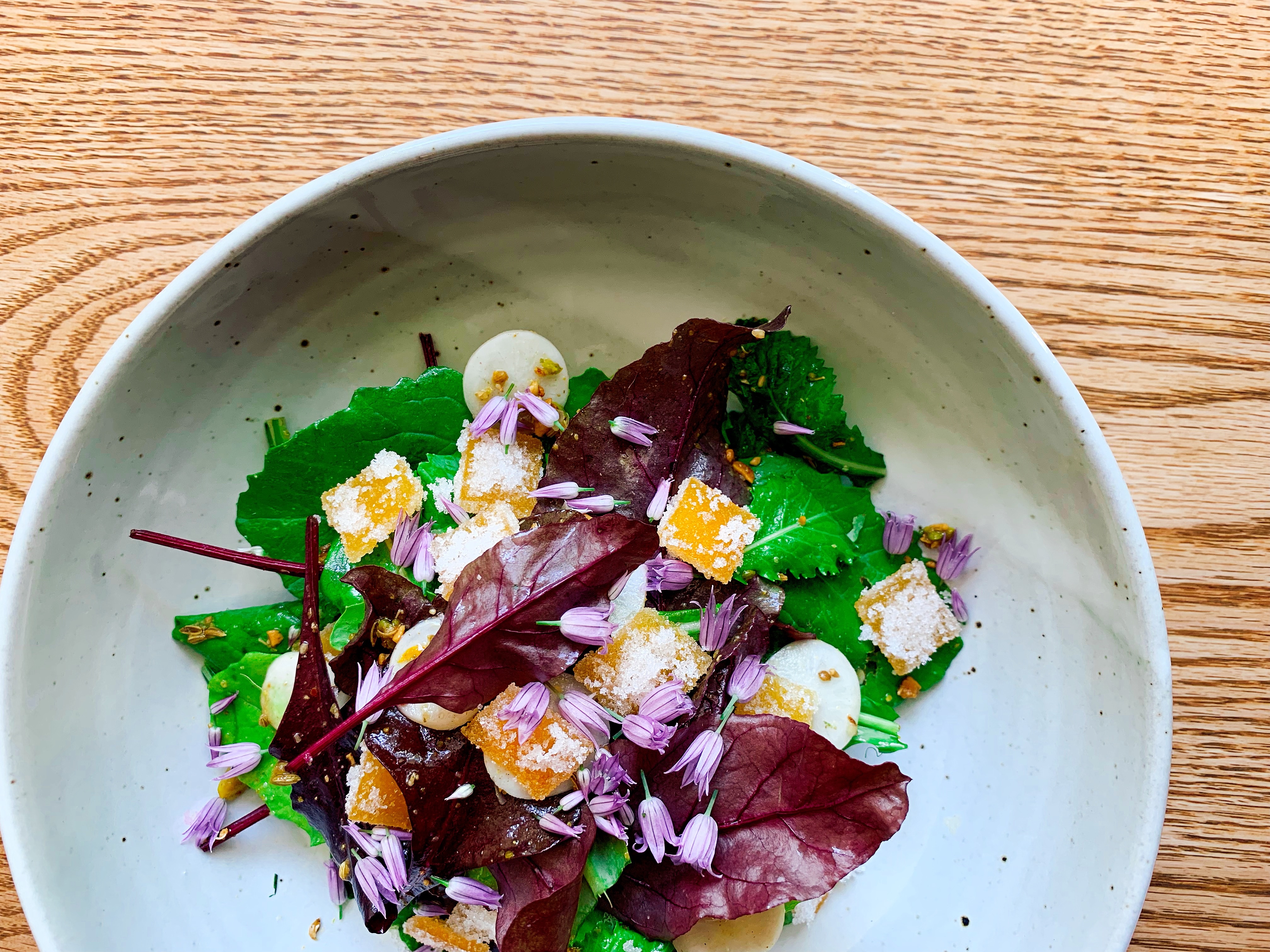
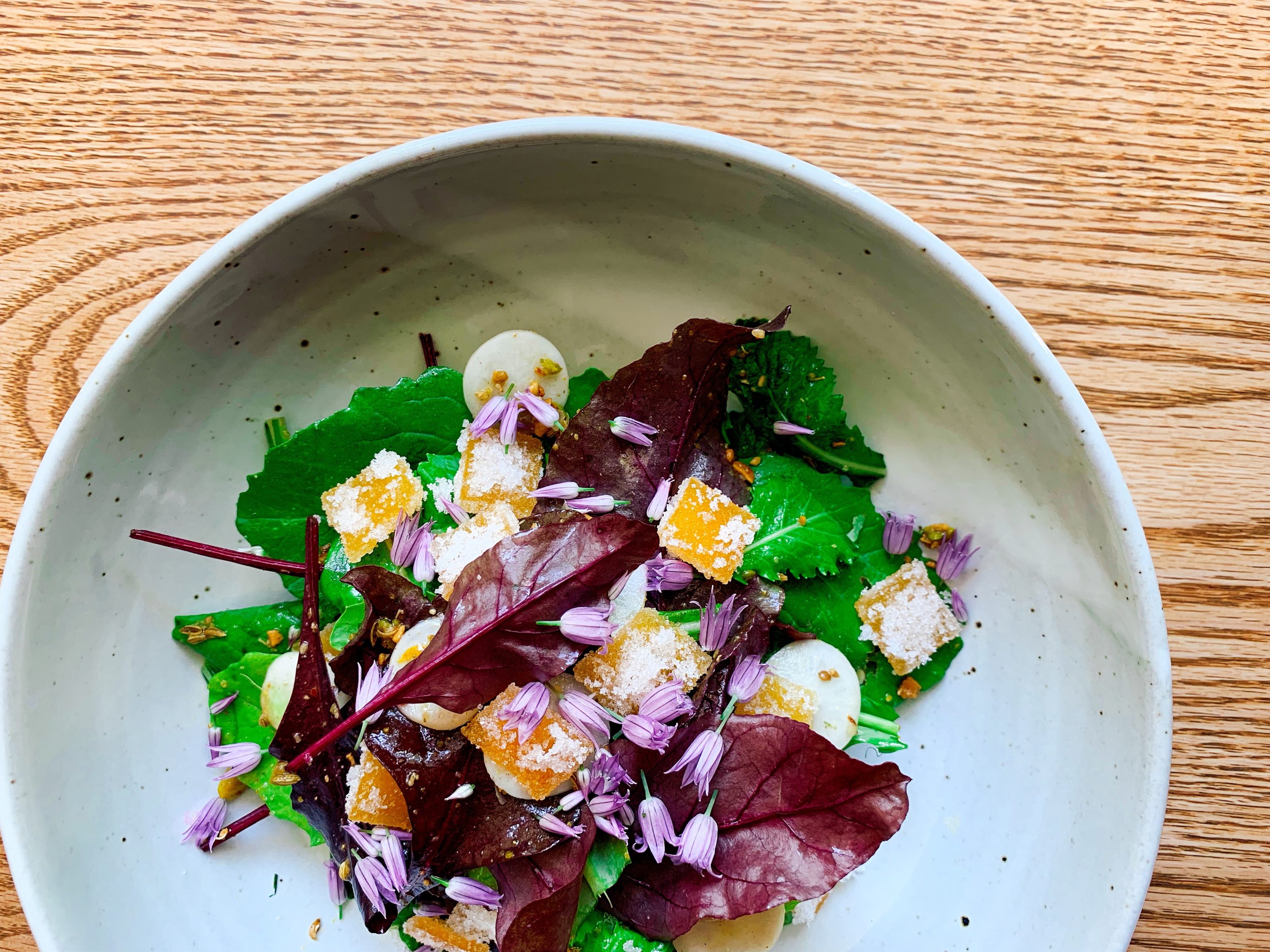
Fennel pollen dressing ties together all the ingredients in the beet + turnip greens salad ($15) at Tail Up Goat. “We have been getting in some really beautiful turnips and beets lately that are coming in with their greens still attached,” says chef and owner Jonathan Sybert. “I hate to waste anything, so I created this dish to find room for them on the menu.”
The fat in the dressing’s olive oil melds the bittersweet flavors of the greens, while the hint of acid in its celery vinegar brightens the dish’s flavor profile. Fennel pollen contributes a fun and unexpected anise layer. Finally, a pistachio dukkah—a Middle Eastern spice blend— and candied grapefruit add texture and flavor, respectively.
Pollens are incredibly versatile and taste equally great baked into muffins or in a dry rub balanced by salt. And when the temperature spikes, “think rhubarb or fennel pollen soda for a mocktail,” Sybert says.
But should allergy sufferers steer clear of pollen delights? Medical journals document cases of people with seasonal allergies who had allergic reactions to bee pollen supplements. Martinez advises caution when it comes to allergies. Bee pollen is made mainly from pollen that bees collect from fruit flowers, while allergy-triggering pollen comes from non-fruiting trees, weeds, or grasses. But in any pollen product there can always be crossover between different kinds of pollen, since winds can carry tiny pollen granules far. “It is nature we’re talking about after all,” Martinez says. “A good rule of thumb: If you’re worried about it, don’t.”