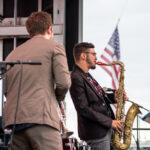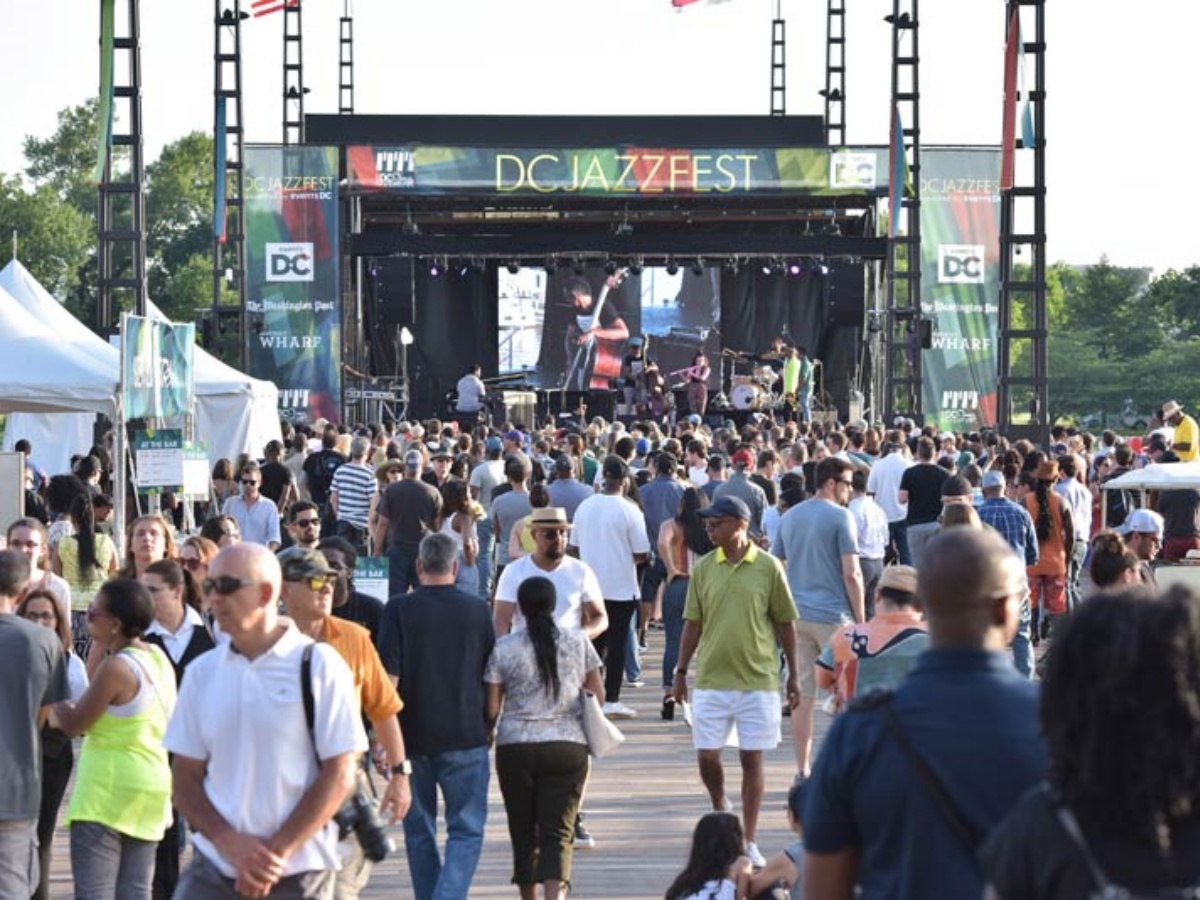
The DC Jazz Festival can trace its history back to 2004, when founder and longtime executive producer Charlie Fishman came up with the concept of an annual festival that focused on jazz in the nation’s capital. Debuting as the Duke Ellington Jazz Festival in 2005, the festival has changed with the times, but as it kicks off its 15th anniversary event Friday and stretches through June 16 at venues all over the District, its principles have stayed the same.
“We’ve always been dedicated to celebrating jazz music here in D.C., that includes the artists, the venues, and the history of the music,” says Sunny Sumter, the festival’s executive director who has been with the DCJF organization since 2008.
For starters, it’s not just a once-per-year event. The DC Jazz Festival (which changed its name in 2010) partners with local presenters and curators to offer performances year-round. There has always been a strong educational component to its efforts, which now include a pre-K program under the direction of area vocalists Heidi Martin and Rochelle Rice, an in-school program with various area musicians, and an after school program under the direction of bassist Herman Burney.
Another important component to the DC Jazz Festival is maintaining a presence through all four quadrants of the city as part of its Jazz In The ‘Hoods initiative. To that end, its collaboration with East River Jazz, an organization dedicated to bringing performances to wards 7 and 8, has grown over the years. On Saturday, East River Jazz and the Anacostia BID are hosting a free, daylong Jazz MeetUp at the Big Chair from noon to 6 p.m. Performers include vocalist Tamika “Love” Jones, trombonist Khalid Gray, and saxophonist Elijah Balbed’s JoGo Project.
As the fest has grown, it’s also changed with the times. Sumter assumed her position in 2011, around the same time jazz industry veteran Willard Jenkins took the role of artistic director. Their tenure has brought a wider scope to the DCJF’s programming. Early iterations of the festival centered on traditional, straight-ahead jazz and its immediate offshoots: Performers such as Hank Jones, Roy Hargrove, and Paquito D’Rivera were festival regulars. While there is still a prominent role for this style of music at the event, the festival has diversified to accommodate how expansive jazz can be, incorporating influences from all over the world. For example, DCJF is partnering CapitalBop for the ninth consecutive year, and the local DIY jazz presenter often stages the festival’s most cutting edge performances (This year, CapitalBop is presenting Justin Brown’s Nyeusi, Georgia Anne Muldrow, and others).
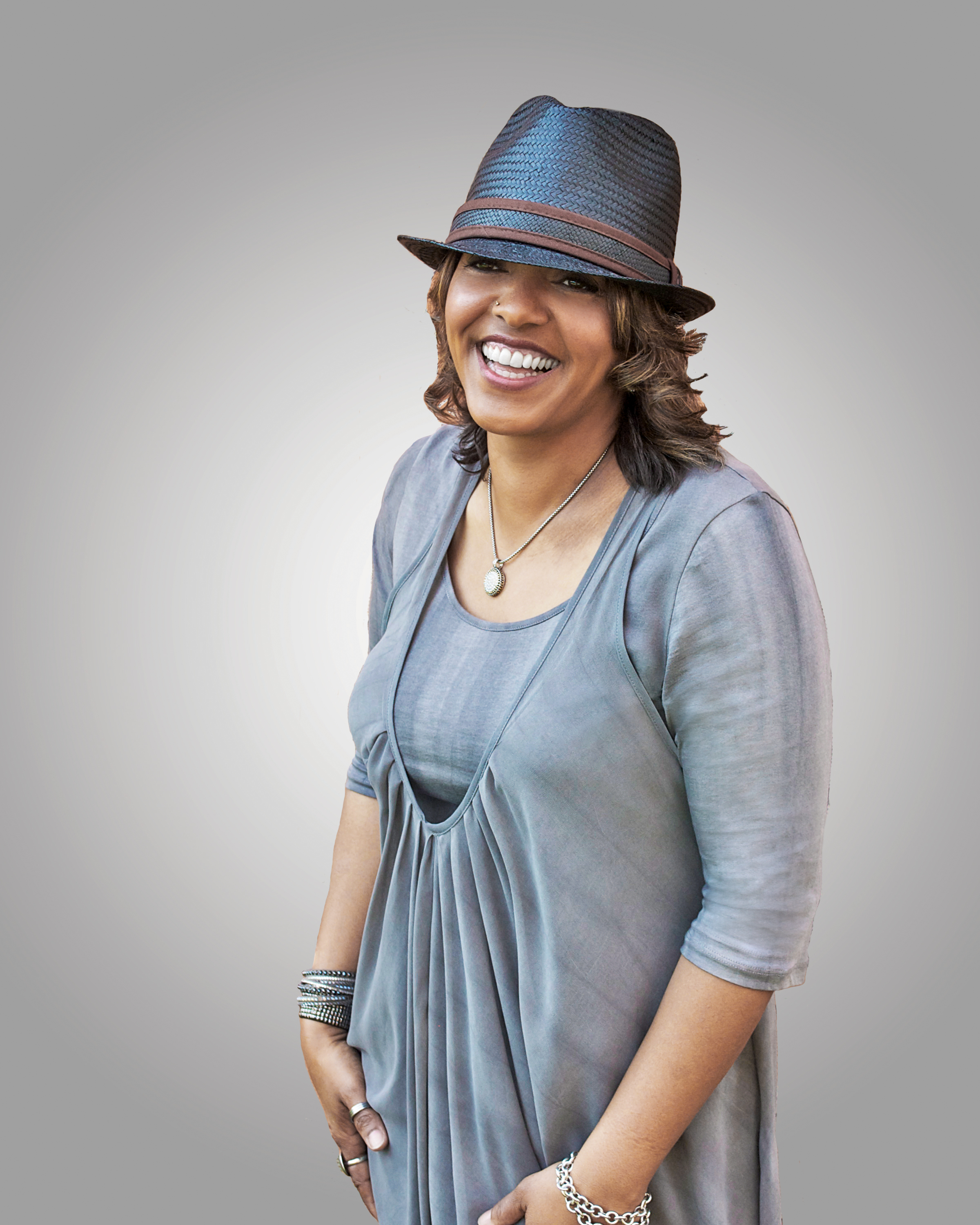
“Jazz has moved into the 21st century and its not cut and dry,” says pioneering drummer and composer Terri Lyne Carrington, who is serving as artist-in-residence for this year’s festival. “It emerges from a lot of influences.”
Carrington’s latest project, Social Science, will perform during the free, weekend-long extravaganza taking place on June 15 and 16 at The Wharf. The ensemble is exemplary of the directions in which jazz is moving, incorporating hip-hop, R&B, and classical influences. The group’s album, due out later this year, features spoken word and vocals that address the current political climate, social justice, and gender equity. “We’re taking our time putting it together,” Carrington says of the album.
In her role as artist-in-residence, Carrington is also involved in panel discussions that examine the intersections between jazz and broader topics, as well as serving as one of the judges for this year’s DCJazzPrix competition, a contest of jazz bands from around the world.
“It’s about extended outreach to the community rather than just going to the city, playing the show and leaving,” Carrington explains.
Sumter couldn’t offer much detail, but says her team is already kicking around possible themes for next year’s schedule. Given that 2020 is going to be a contentious election year that will occupy a lot of bandwidth in this city, she believes it appropriate to celebrate jazz’s role as a great equalizer.
“I think that jazz is for everyone. I think you can stand under the umbrella of jazz and find something you will enjoy,” Sumter says. “It doesn’t matter what brand of music you love, jazz is about celebrating our diversity on the bandstand and in the audience.”
The DC Jazz Festival runs from June 7-16 at venues throughout the city. Check out DCist’s latest Jazz & International Music Calendar for more information.