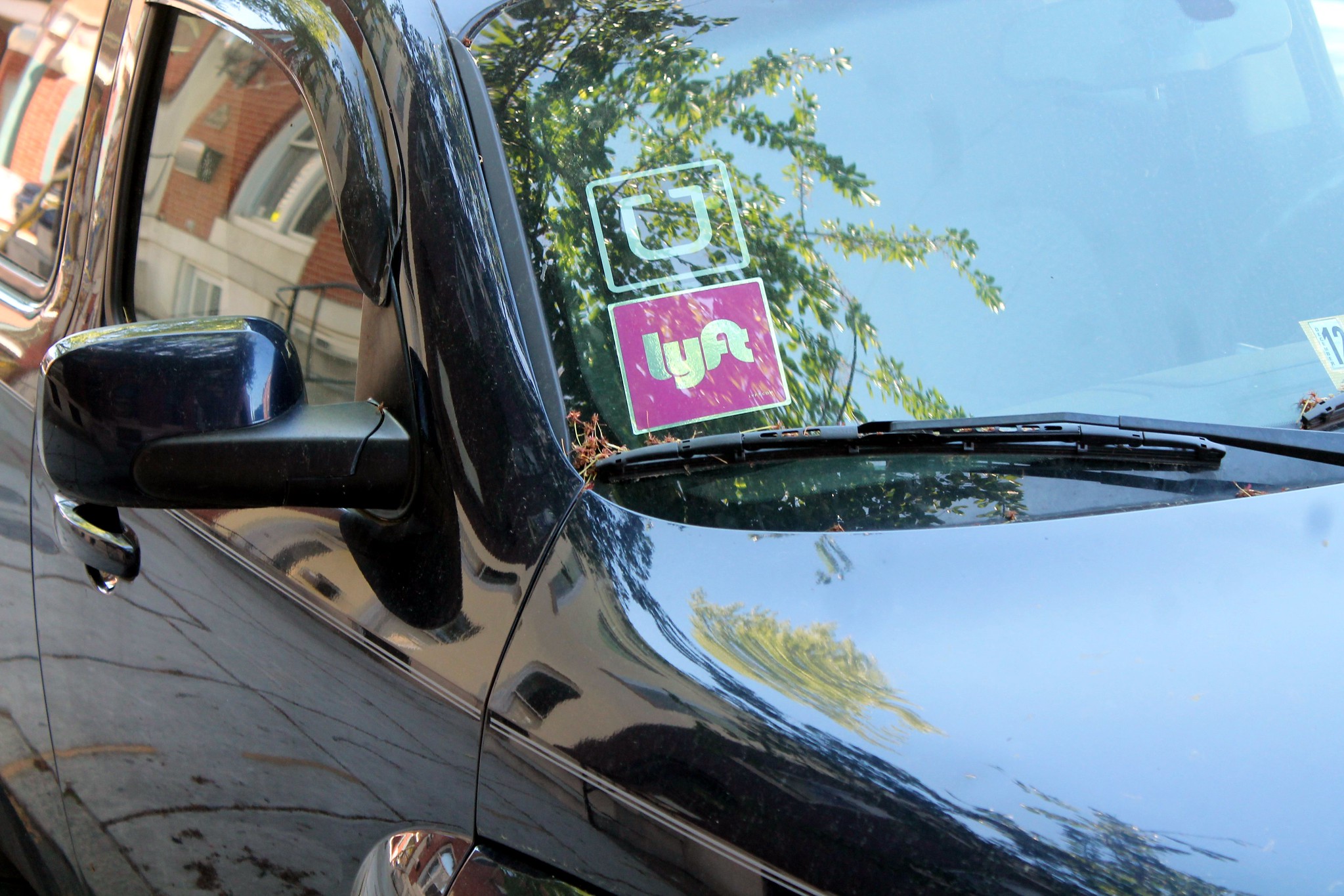
This month, Metro entered its third year of cuts to late-night service, which were enacted in 2017 to perform preventative maintenance work. When Metro’s shorter operating hours were first implemented, one employee who had to begin relying on Uber to get home at the end of the night “laughed at the suggestion that he should send the receipts to Metro for reimbursement,” WAMU reported at the time. But that is exactly what Metro now plans to do.
Beginning July 1, Metro will offer a $3 discount on up to 10 shared Lyft rides each week taken by late-night employees commuting between their home and workplace. Registration for qualified employees opened today, and the “After-Hours Commuter Service” will operate as a one-year pilot program or until it exhausts its $1 million budget.
Before Metro awarded the contract, Ben’s Chili Bowl manager Vida Ali told DCist that Uber and Lyft representatives approached her about whether the partnership would benefit late-night employees at the iconic U Street restaurant. While some Ben’s Chili Bowl employees carpool home when they get off work at 4 a.m., a handful rely on Uber to get home and would take advantage of the discount.
But Matt Ghirardo, who works at Amsterdam Falafel in Adams Morgan, estimates that with surge pricing, an Uber or Lyft ride home to Arlington after he gets off work might cost as much as $30. With prices that high, he says the $3 discount is “not really much.”
The pilot program comes after the Metro board voted to extend the early closures for another year despite opposition from the District (and with Jack Evans resigning from his role as the D.C. appointee for the Metro Board of Directors, the city has lost its loudest advocate on the board for a return to late-night trains.). Under the shortened schedule, trains stop running at 11:30 p.m. on weeknights, 1 a.m. on weekend nights, and 11 p.m. on Sundays.
The region’s late-night employees have coped with the cuts in late-night service in a range of ways. Many have had to devote a greater share of their personal budgets to transportation.
On most nights this past year, Alan Turay was able to catch the last Metro train home to Silver Spring when he got off work from his two jobs—one as a food runner at NoMa restaurant The Eleanor and the other as an usher and concessionaire at Atlantic Plumbing Cinema. On nights that Turay missed the last train, he would take the bus home or spring for the more convenient—but pricier—option: Uber. But this past week he began working full-time at The Eleanor as a bar back, and that means finishing work after Metro has closed for the night.
To get home, he plans to take Uber, a trip that typically costs him about $15 to $18, substantially more than Metro’s off-peak fare. Turay has deleted his Netflix and Hulu subscriptions and has already cut back on going out with friends to accommodate the increased cost of his commute.
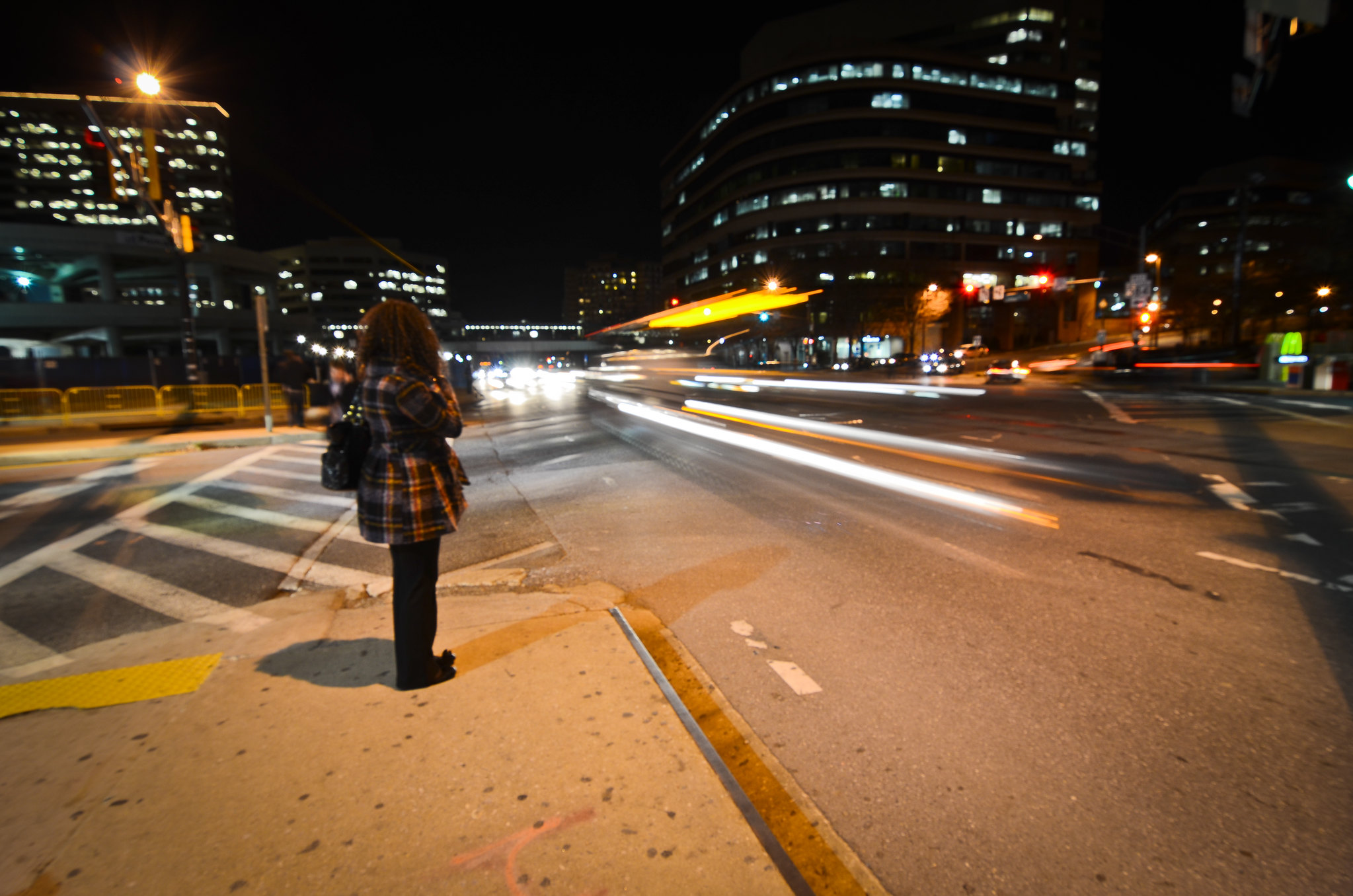
Other workers have had to endure longer commutes. Sandra Aguilar, a janitor at the World Bank, gets off work at 12:30 a.m. on weekdays and currently carpools with several others who pay one co-worker $25 a week for a ride home. The commuting arrangement is cost-effective, but long. It takes two hours for Aguilar to get home to Hyattsville. Under Metro’s previous schedule, she could have at least taken Metro home on Friday nights.
Some have had to forgo wages to accommodate Metro’s shortened schedule. Sarah Jacobson, the executive director of UNITE HERE Local 23, says that many food and beverage concessions and airline catering workers at National Airport have cut their hours in order to take Metro home at night. Of those that have kept their work schedules, some sleep overnight in the airport terminal until Metro opens in the morning.
Benjy Cannon, a spokesperson for UNITE HERE Local 25, which represents around 7,500 hospitality workers in the D.C. area, said one member moved in order to live closer to a Metro station only to learn that the system would no longer operate during this member’s commute. Another, Cannon said, walks home for 90 minutes at one or two in the morning from work.
“The whole way that Metro is set up is to serve the white-collar class and not working people. Metro’s hours is one of the most explicit examples of that,” he said.
The cuts to late-night service stem back to the transit agency’s ambitious year-long SafeTrack plan, which addressed years of neglected repairs and maintenance work. Upon its completion, Metro argued that the early closures, which add eight hours of maintenance work a week, would contribute significantly to the transit system’s reliability.
Earlier this year, Metro said that the improvements to infrastructure resulted in a decrease in unscheduled track disruptions of 75 percent in the second half of 2018 compared to the same period the year before.
Data analyzed by Stephen Repetski, who runs the Metro Reasons account, shows that the extra hours have contributed to a major increase in track work productivity on the weekends, which saw the greatest cuts in late-night service.
“The system is safer and more reliable today as a result of the robust preventive maintenance work we are doing during those critical overnight hours,” Metro General Manager Paul Wiedefeld said in a statement at the time.
Metro has warned that returning to pre-SafeTrack hours would require the agency to perform maintenance during the day. The transit agency estimates that such a shift would result in a loss of 11.6 million trips during the day, while only gaining 600,000 during the late-night period, over the course of a year.
But that’s of little comfort to business owners who contend that the reduced hours have created challenges for their current employees and affected their ability to hire new employees.
Dave Rosner, who co-owns 14th Street NW beer garden Garden District, says the cuts in late-night service generally make it harder to get around D.C. “I would have more customers and it’d give our employees more options for getting home” if late-night hours were restored.
Arianne Bennett, the owner of eatery Amsterdam Falafel, recently wanted to hire a job applicant to fill a late-night position. He lived off the Green Line but since Metro would be closed by the time he would have finished work, he couldn’t accept the position.
“Here’s someone who wants a job and I’m a merchant who has a job. We can’t connect and the common problem is Metro,” Bennett said. She argued that the region’s lack of late-night transportation has created a labor shortage. “I’m one of 200 restaurants in my neighborhood that are all vying for that same employee that does have the ability to get home.”
In a press release announcing Metro’s partnership with Lyft, Wiedefeld says “This program will provide late-night workers with a more affordable transportation option during overnight hours as we advance essential maintenance programs that improve safety and reliability.”
To qualify, employees must be going between work and home from the hours of 12-4 a.m. They can receive a subsidy for up to 40 rides per month.
The program puts Metro in the position of paying its private sector competitors to fulfill the service of transporting riders around the region. In public filings with the Securities and Exchange Commission, Uber included public transportation in its market share, suggesting the company sees itself as directly competing with public transit, while Lyft disclosed its strategy of supplementing public transit. Indeed, the transit agency has been losing customers to ridehailing services as its ridership declines.
In addition to concerns that the partnership burdens late-night employees with a more expensive commute than they would otherwise have if Metro restored its late-night service, some worry that the program would only add to the District’s traffic woes and strain the city’s infrastructure.
David Vanek, a banquet server at the Capital Hilton, drives his own car to work to make his early-morning shifts worries that by partnering with ride-hailing companies, Metro will contribute to the city’s congestion by putting more cars on the road.
The plan has already received some pushback. UNITE HERE Local 25 has lobbied against the idea and Advisory Neighborhood Commission 1C, located in Adams Morgan, recently passed a resolution urging Metro to abandon the program.
Pointing out that “the subsidy pilot would still burden passengers with the rest of the fare, which could easily exceed $15 per trip,” the ANC said it “does not support and strenuously objects to WMATA’s plan to supplement its transit service by subsidizing for-hire ride services.” It calls on Metro to instead invest in an “owl” bus service for late-night employees.
Bennett, who owns Amsterdam Falafel, worries about those who will be excluded from the partnership, including employees who don’t own a smartphone or a credit card. And looking to private ride-hailing companies to fill gaps in service, she said, means “shoving the responsibility for providing the service you’re supposed to provide at the cost that was set for everyone across the system.”