Martin Austermuhle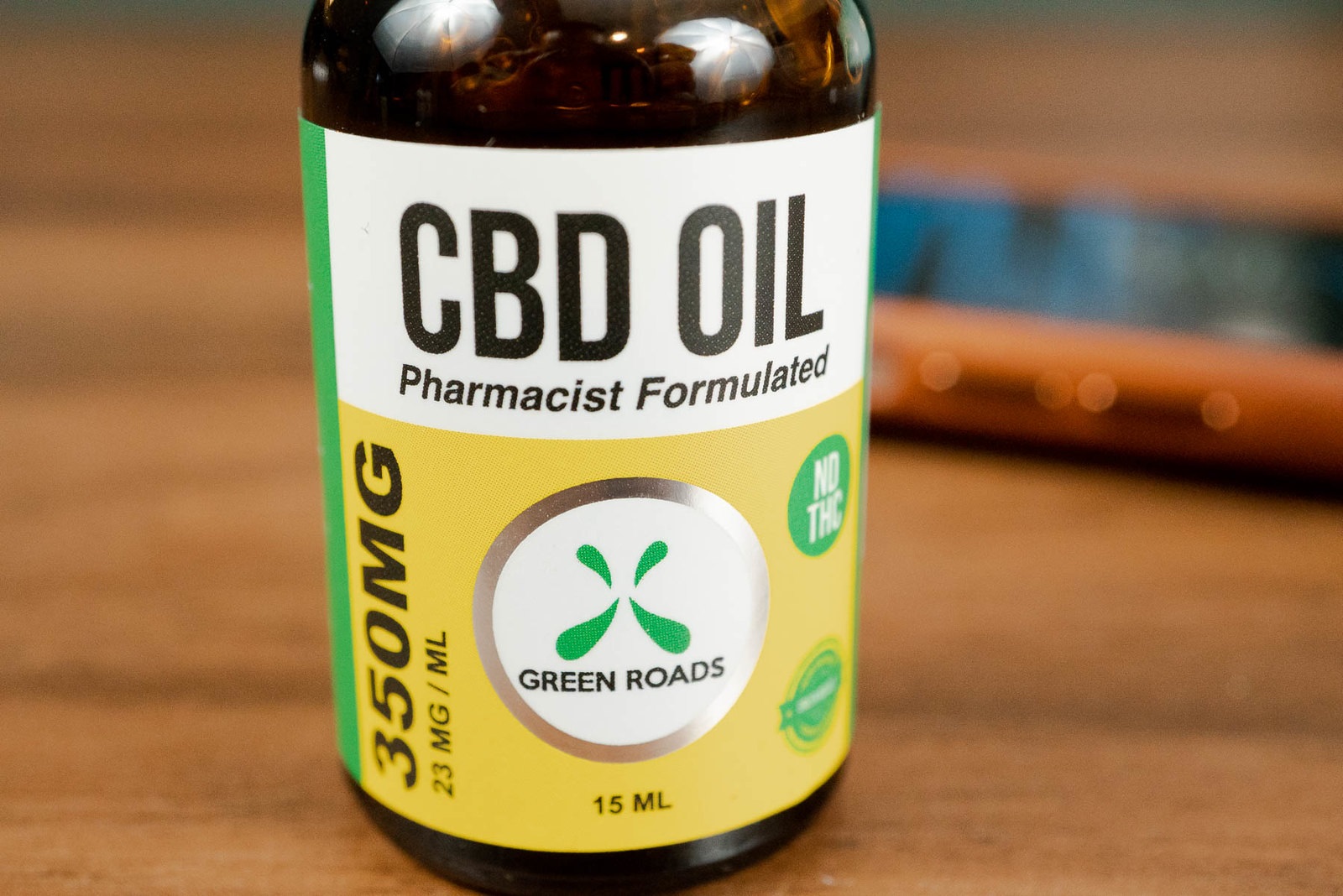
You can find it in drinks, candy and even skin lotions. It’s sold everywhere from specialty shops to corner stores. But now, 24 attorneys general—including those from D.C., Maryland, and Virginia—are urging the federal government to better regulate cannabidiol, commonly called CBD, a component of marijuana that does not lead to users getting high.
In a letter sent this week to the Food and Drug Administration by D.C. Attorney General Karl Racine, the state officials asked for the the agency to “explore manufacturing, testing, and marketing best practices so that consumers are not at risk of misleading advertising or harm to their health from dangerous additives or undisclosed risks of use” of products containing CBD.
The letter asks that the FDA work closely with states to craft and implement any such regulations on CBD.
While CBD has long been marketed for its medicinal uses through state-based medical marijuana programs, more recently it has been touted as an easy-to-get cure-all for everything from cancer to sleepless nights. But its legal status remains largely in flux, creating an environment in which CBD products are lightly regulated—if regulated at all.
“We appreciate that these cannabis-derived products may offer some benefits to many consumers, but there’s a lot of outstanding questions about the effects of these products and about whether they are being manufactured in a safe way and in a responsible way,” says Benjamin Wiseman, the director of consumer protection within Racine’s office.
CBD is legal in states that have medical marijuana programs or have legalized marijuana for recreational use, but some states—as well as the federal government—determine its legality based on whether it comes from the marijuana plant or the hemp plant. This determines how much THC is in the plant. (THC is the component that makes users feel high.)
Many CBD products come from hemp. The 2018 federal farm bill cleared the way for hemp to be grown and sold across the country, and led to a flood of over-the-counter CBD-infused goods. The FDA, which is exploring ways to regulate CBD, says that without standards, consumers may not know what they are putting in or on their bodies.
“Unlike drug products approved by the FDA, unapproved CBD drug products have not been subject to FDA review as part of the drug approval process, and there has been no FDA evaluation regarding whether they are safe and effective to treat a particular disease, what the proper dosage is, how they could interact with other drugs or foods, or whether they have dangerous side effects or other safety concerns,” the agency says on its website.
Conflicting Views Among Sellers
But some CBD sellers think good vendors already ensure they are selling products that are safe.
“All of the products we get are tested, lab-approved and measured. All the tinctures and vials come with instructions and recommended dosing,” says Aosin Sebhatu, a manager at Grass & Co., a shop in Adams Morgan that sells CBD products. “Even if there isn’t government regulation, I think the CBD industry is regulated. And if you’re familiar with CBD, you know where to get the good stuff.”
Sebhatu, who says he doesn’t oppose government regulation, also thinks the possible impacts of poorly made CBD products have been overblown.
“If something says it has 25 mg. of CBD and it ended up having 100 mg., worst case scenario is you get drowsy,” he says.
But Stephanie Kahn, who owns Takoma Wellness Center, a medical marijuana dispensary in Northwest D.C. that sells CBD, says many of the new products make claims they can’t substantiate—and are produced in ways that leave a consumer in the dark.
“I think there’s a lot of exaggeration. It’s like the flavor of the month,” she says. “Many places have tested [CBD products] and found out that either there is no CBD or varying amount of CBD or other things that shouldn’t be in there. It shouldn’t be marketed in my opinion as something that is for someone’s health and have no regulation whatsoever.”
That’s a point echoed in the letter Racine and the other attorneys general sent to the FDA: There is a need for clear and consistent rules on how CBD can be produced, marketed, and sold across the country.
“The inherent complexity of cannabinoids, combined with the danger of hazardous additives, raises serious public health concerns that absent some rules or regulations, unscrupulous companies will be able to distribute products that include illegal cannabinoid combinations or have dangerous additives,” the letter says.
For Wiseman, Racine’s consumer protection director, the critical point is making consumers understand what they are buying.
“Our primary concern is making sure that consumers are safe, that they are well-informed, that they know what they are putting into their bodies, and that there is a little more assurance about the products as they hit the market,” he says.
Kahn thinks a broader solution is also necessary—the legalization of marijuana. Racine supports such legalization, and in June, Virginia Attorney General Mark Herring joined him.
“Cannabis should be de-scheduled,” Kahn says. “And it should be regulated across the board.”
This story first appeared on WAMU.