 Lori McCue

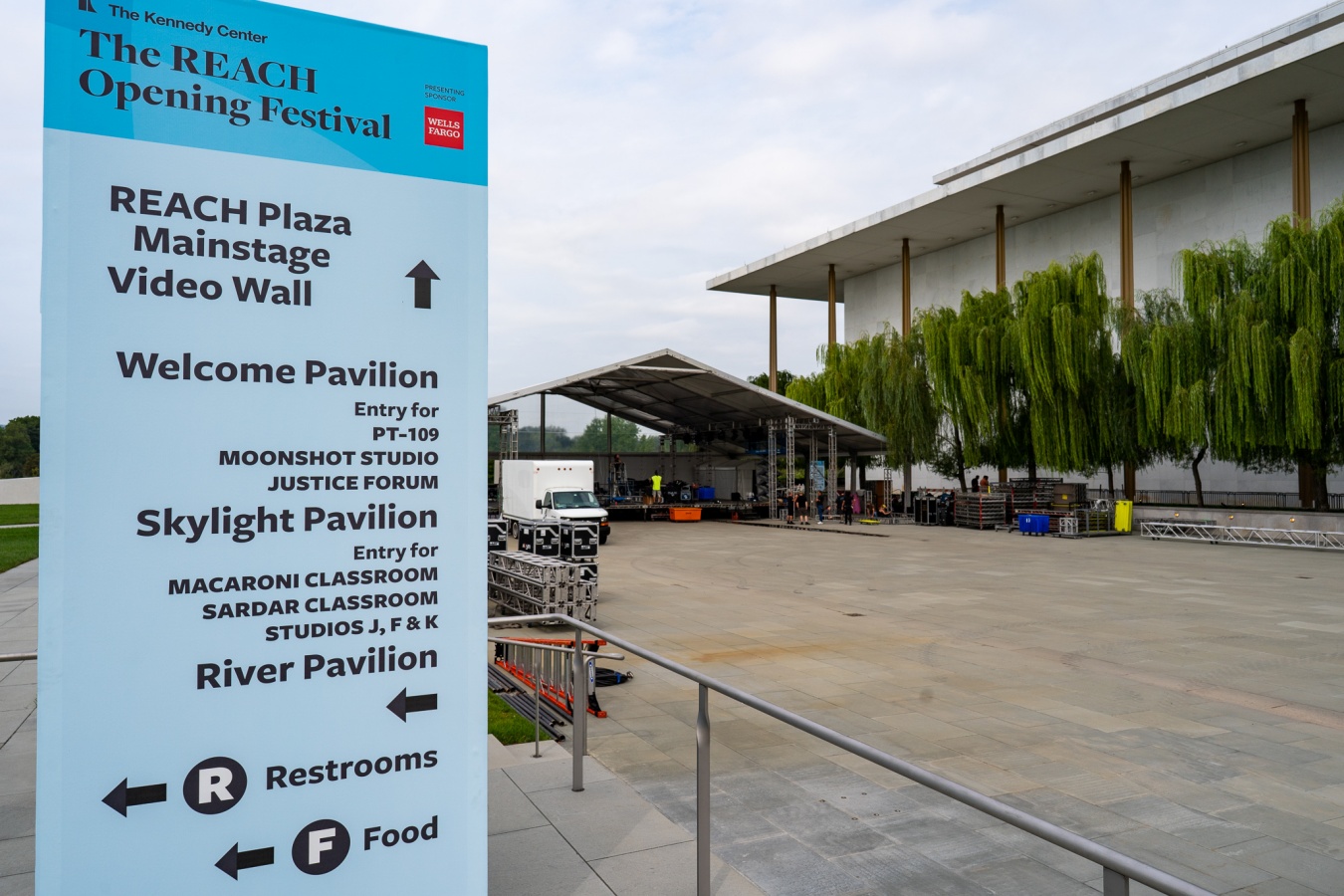



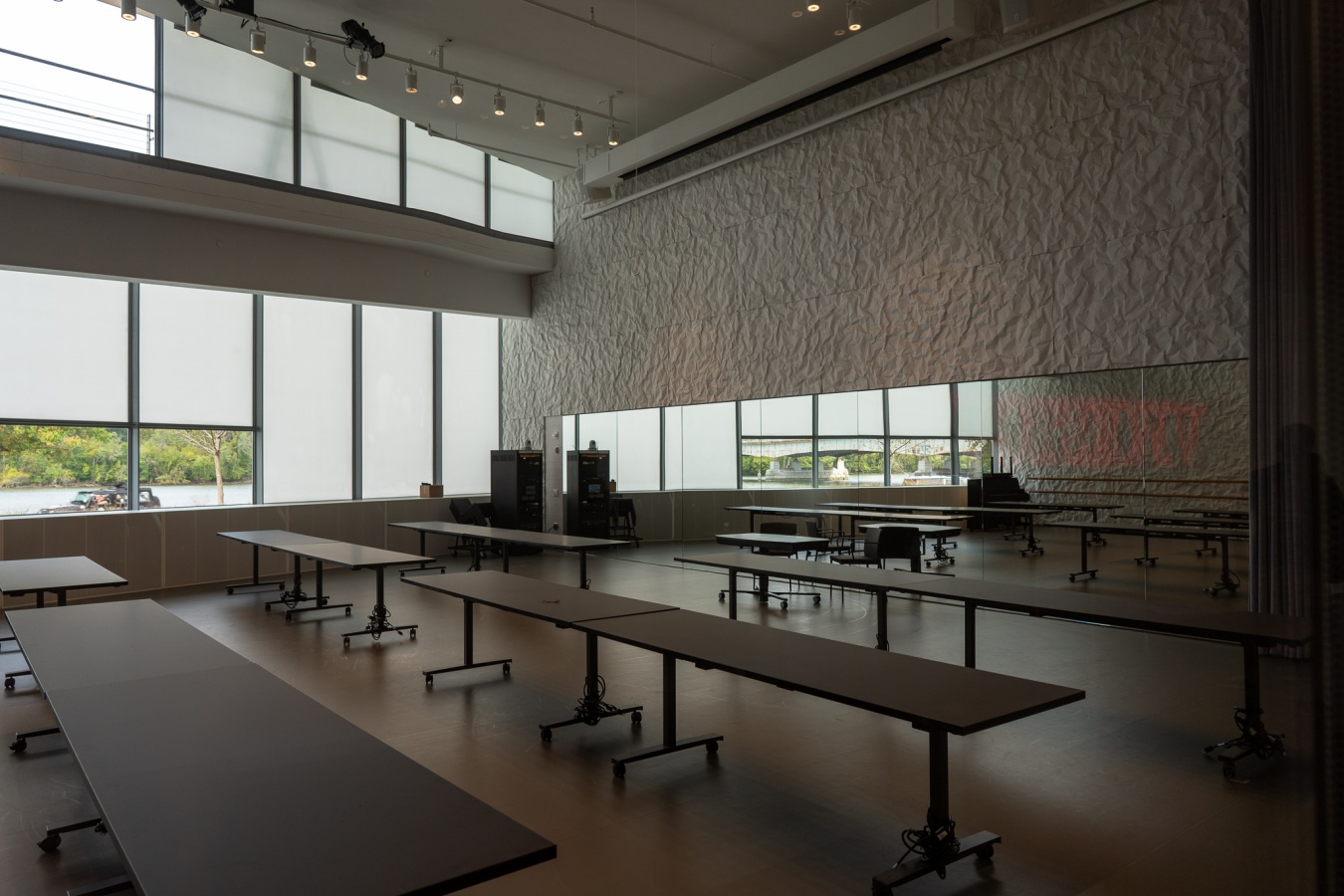

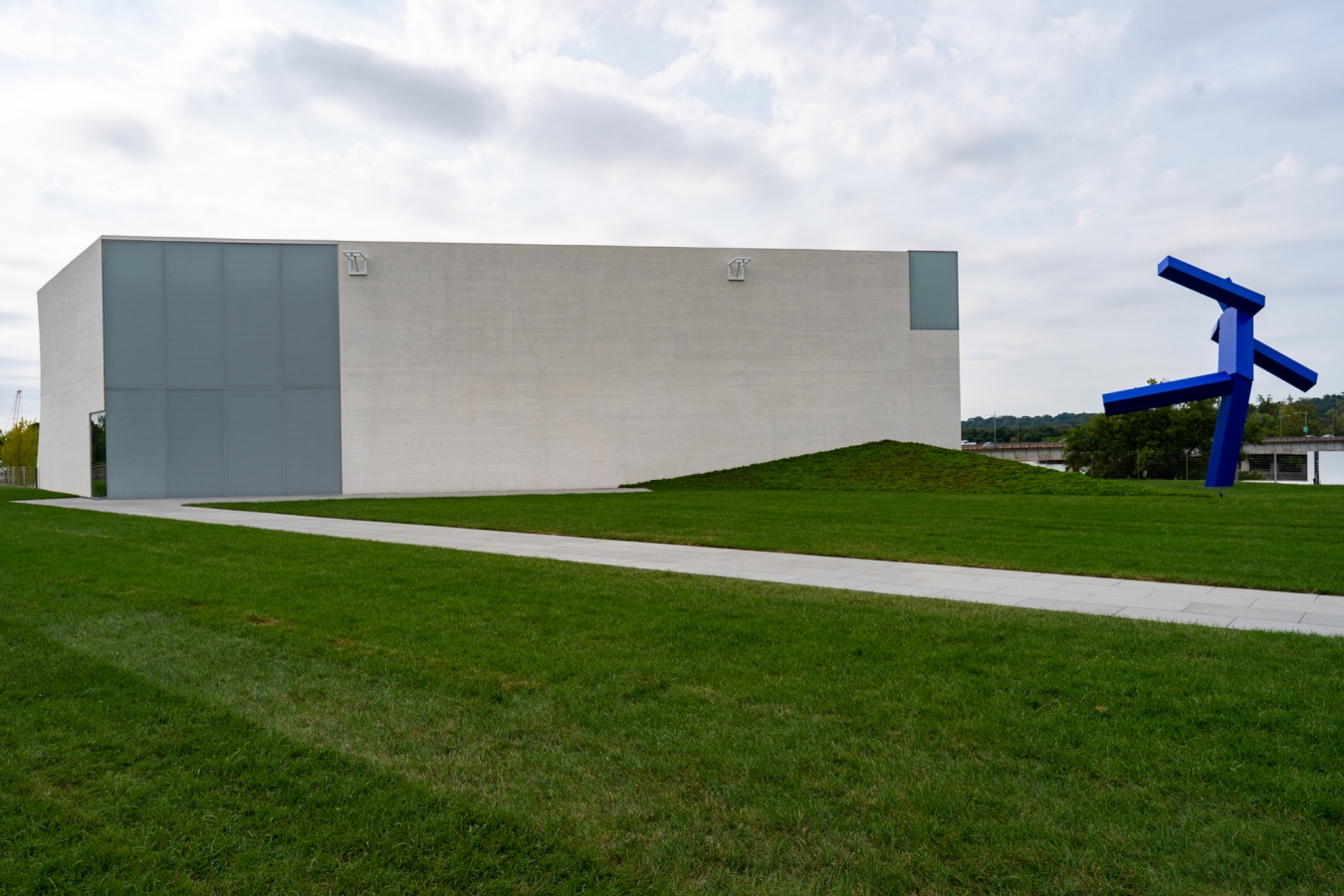
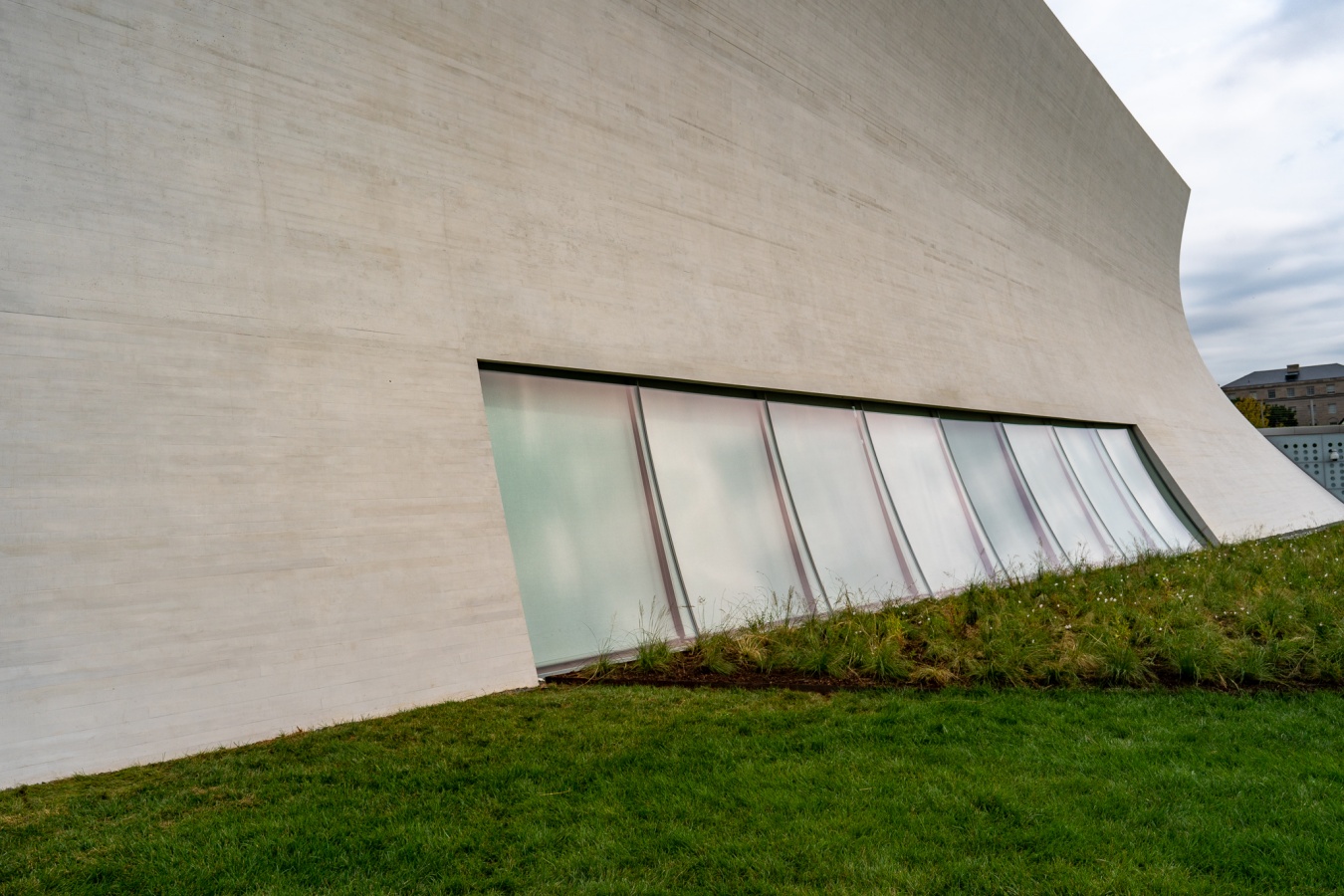
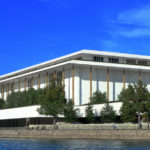
The Kennedy Center, as D.C. has known it for the past 48 years, is built for pretty much just the one thing: queuing up before a performance, finding your seat, and sitting back to enjoy the show. Everything else—from buying tickets at the box office, to purchasing a drink at one of the tiny kiosks at intermission—is awkward, requiring you to weave through lines snaking all over the main level. Even the terrific, free Millennium Stage concerts are staged essentially at the ends of a hallway.
Over the last seven years, the private-public center has raised more than $250 million to change that with its new annex, dubbed the REACH. The 4.6-acre space will open this weekend with a 16-day festival of free performances, talks, and other events. (More on that later.)
This September’s opening follows a somewhat troubled path to the finish line. The REACH is arriving about two years behind schedule, and about $100 million over budget.
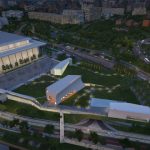
Though the space—designed by architect Steven Holl—is adjacent to the Kennedy Center, accessible just off the river terrace, you’d be forgiven for thinking it’s a separate property entirely. The site of a former parking lot for buses is now a green lawn with three stark white pavilions dotting the landscape—not unlike the low-lying, green-meets-concrete aesthetic of the Glenstone Museum in Potomac, Md.
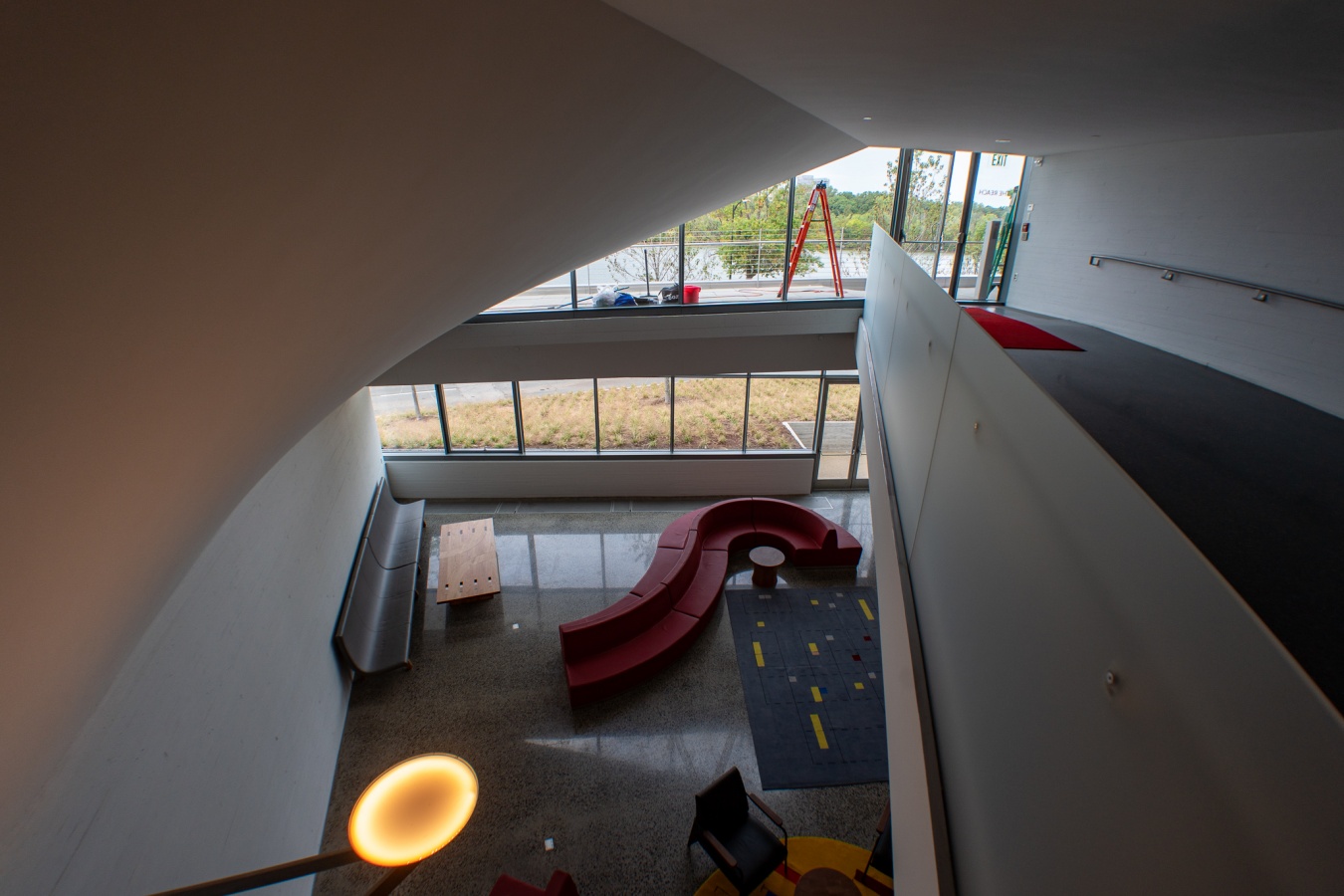
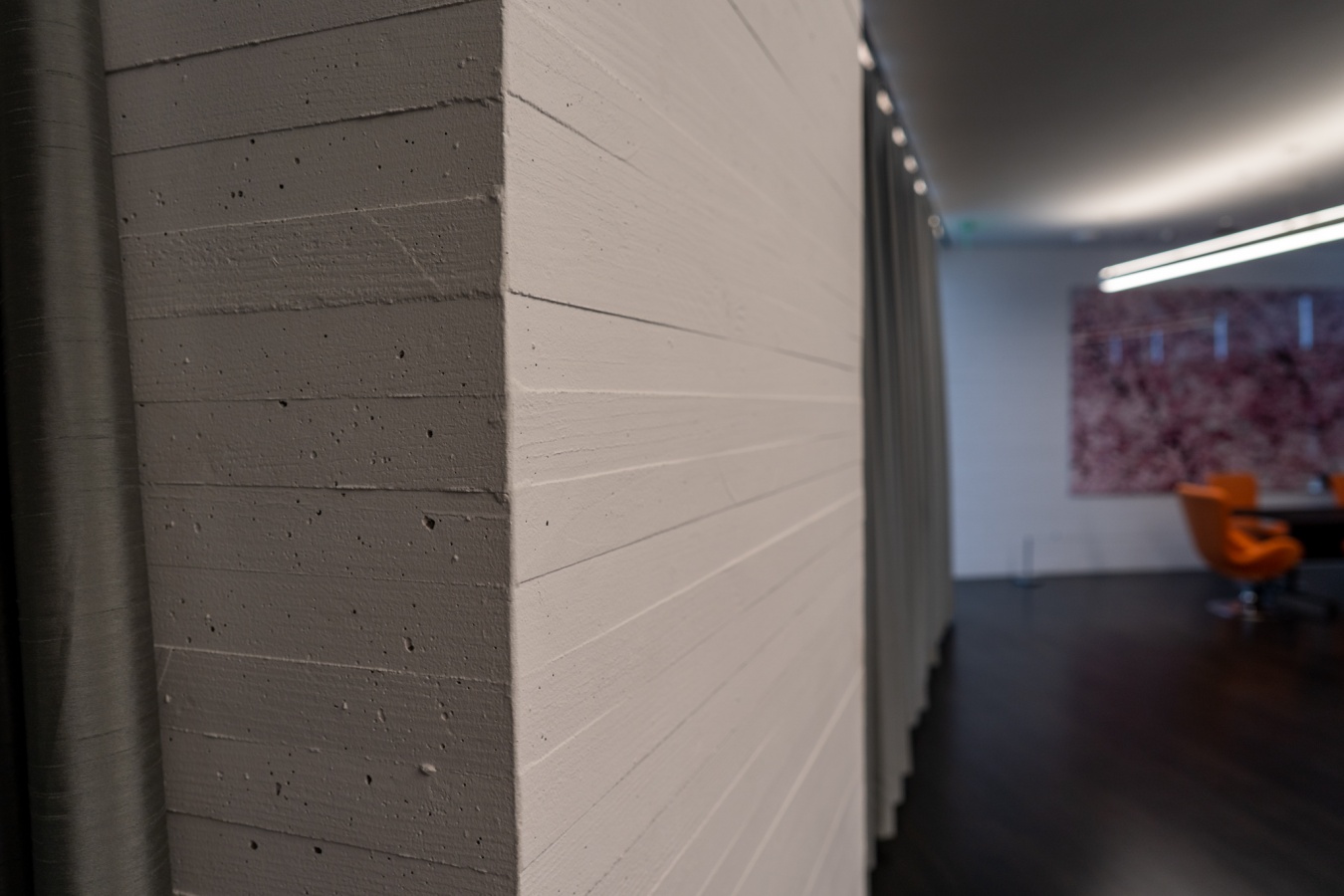
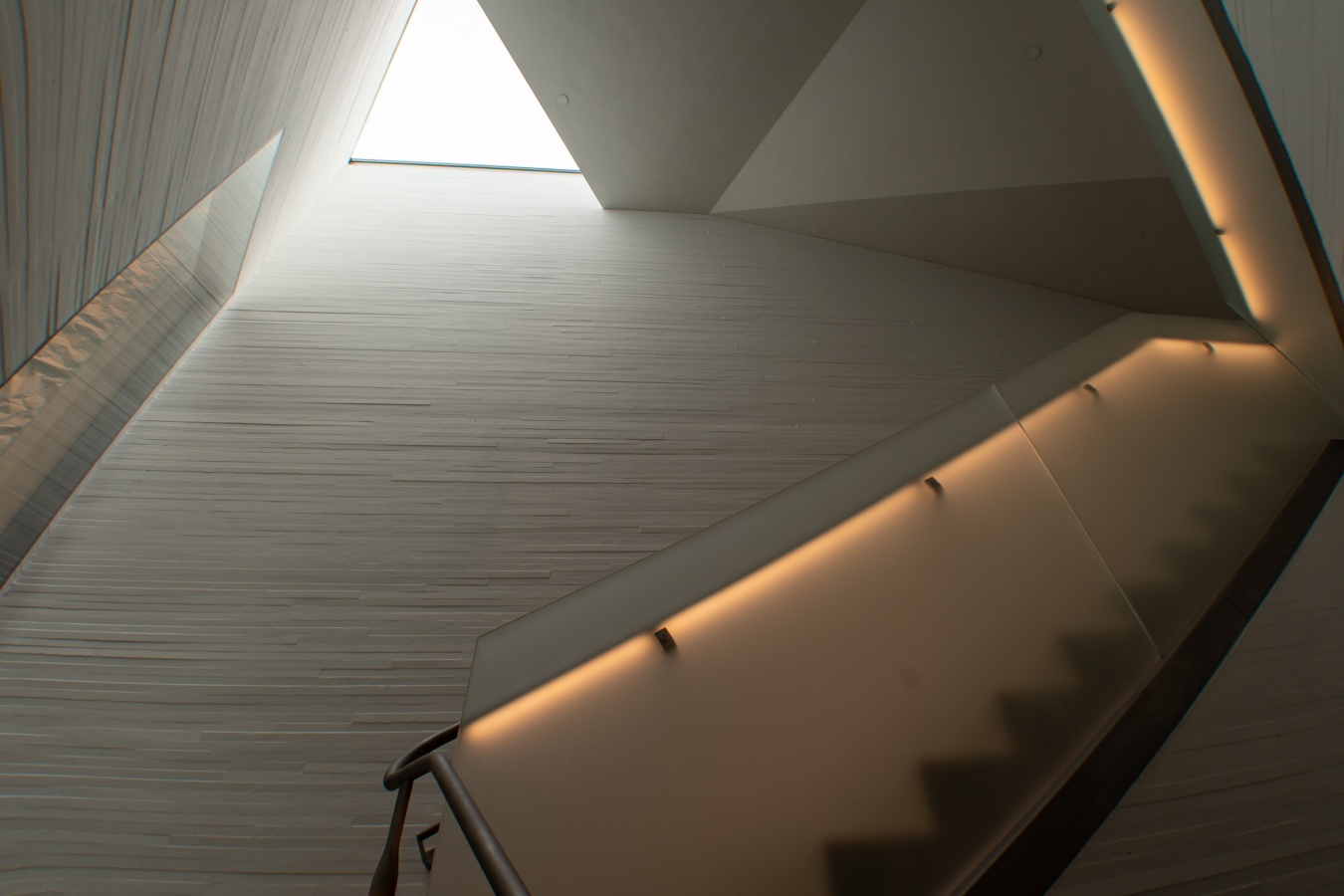
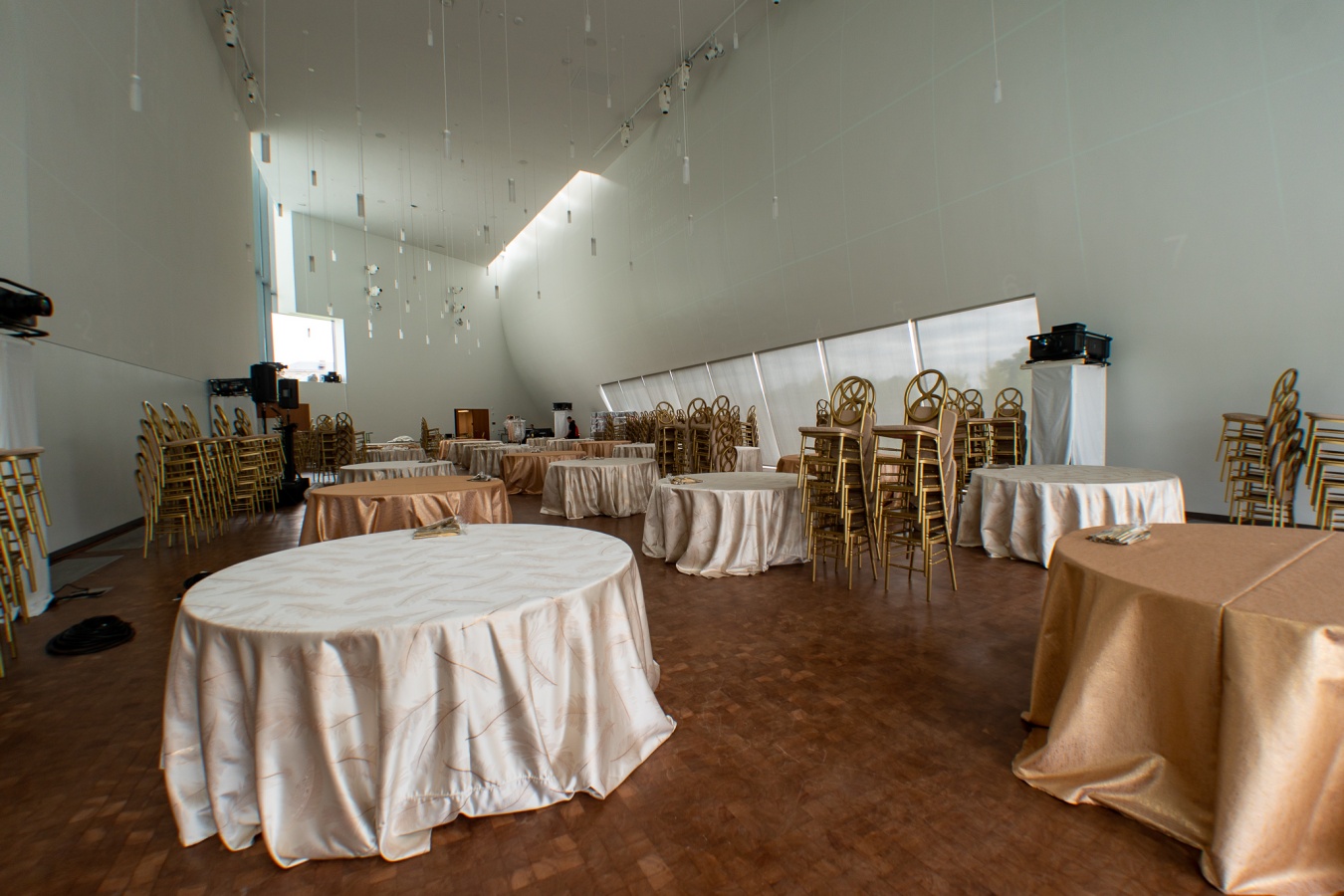
It’s once you descend down the wide stairs into the pavilions that the REACH’s purpose becomes evident. The lawn is a roof to a spacious arts center, with classrooms, lounging space, and venues for performances. Unlike the main Kennedy Center building, covered in rich fabrics and dotted with jeweled lighting fixtures, the REACH is stark white and modern. Skylights and expansive windows allow in plenty of light—in fact, only one performance space in the whole building (the Justice Forum) is able to be entirely cut off from natural light.
As Kennedy Center President Deborah Rutter put it on Thursday’s Kojo Nnamdi Show, it’s all meant to feel as though you could peek in on art or learning happening at any time.
“When you come and visit [the main building] at a non-performance time, you think it’s quiet and nothing’s happening, when in fact it’s a beehive of activity behind those marble walls,” Rutter said on Kojo. “It’s just that the way the building is designed didn’t give you an opportunity to see it all.”
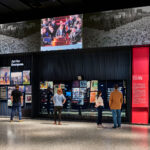
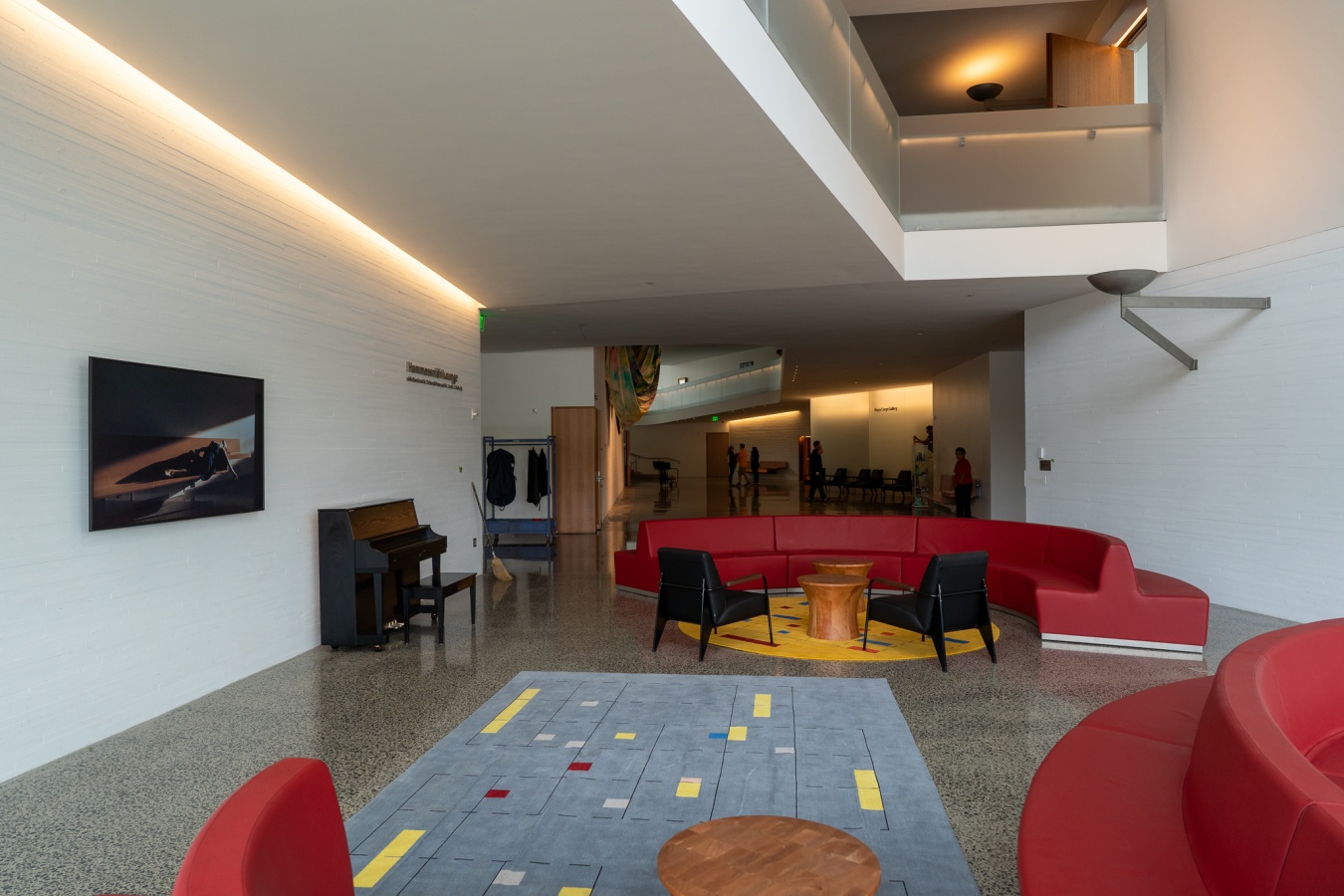
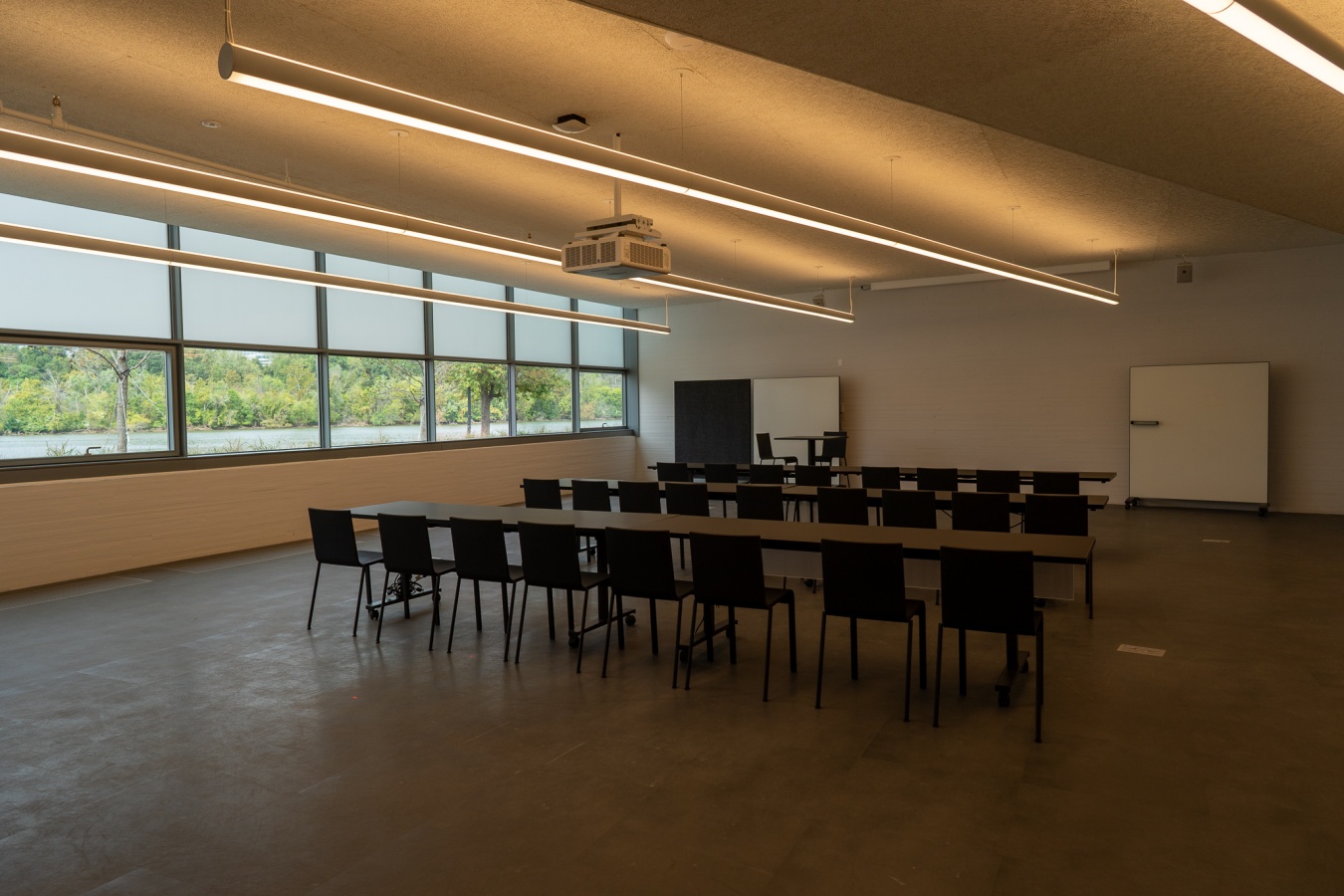
It’s in this downstairs area that the Kennedy Center plans to host classes or meetings (in two classrooms named Macaroni and Sardar, after horses that belonged to the Kennedys), rehearsals or small performances (in studios J, F, or K), and interactive learning opportunities, like student field trips (in the Moonshot Studio). There’s room for socializing, too, at the Hyannis Port Coffee Shop or the Hammersmith Lounge made of comfy, mid century modern couches. The walls can accommodate art, too—first up is the touring exhibit of former President George W. Bush’s paintings.
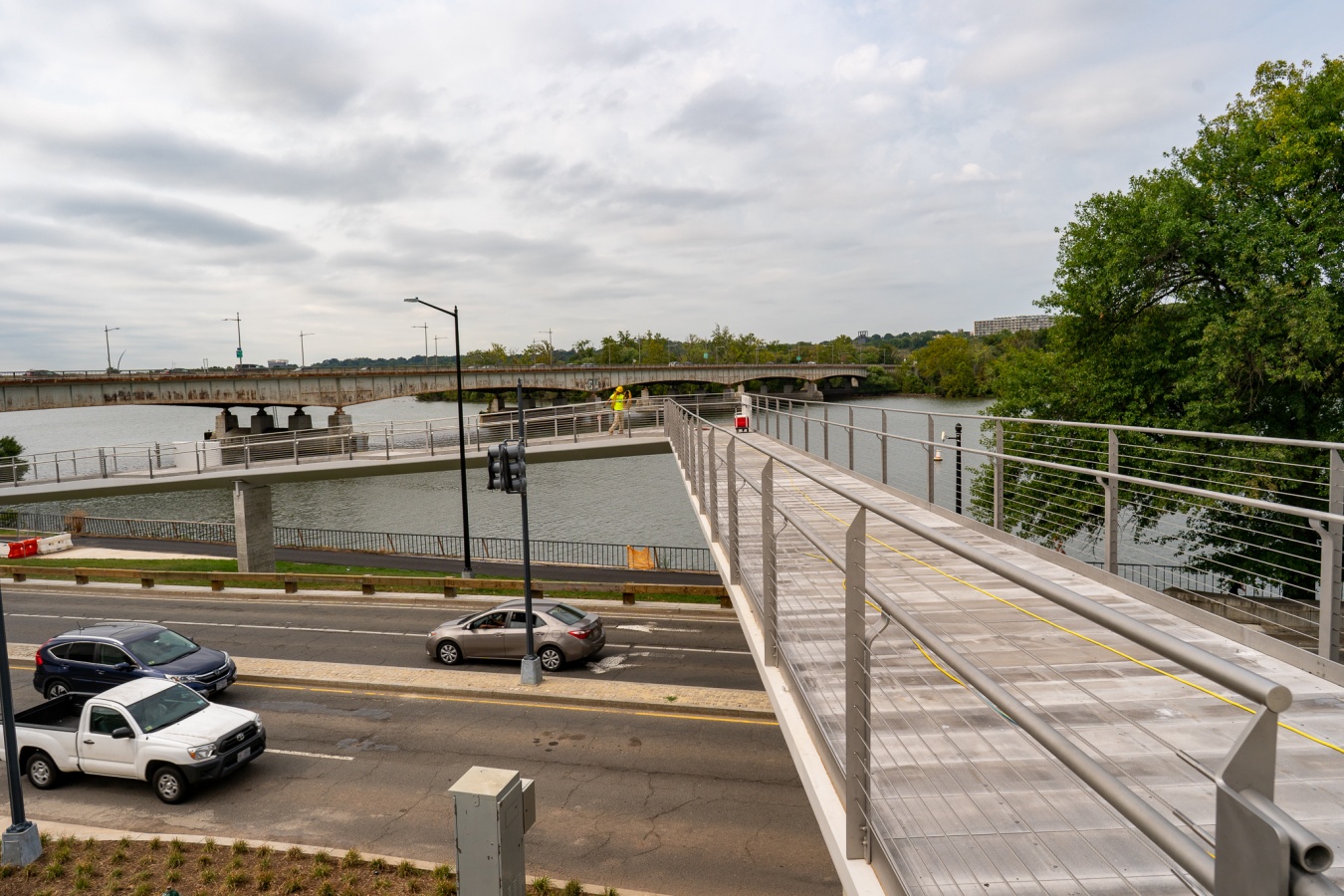
Nearby, the River Pavilion houses a River Cafe, offering food and drinks, and yet another performance space. It’s near the new pedestrian bridge that connects the Kennedy Center to the National Mall and Roosevelt Bridge (the very same one that shut down Rock Creek Parkway and the Potomac Parkway twice earlier this year).
While most of the space is meant to house performances or events, plenty of the REACH is just a big open place to just, well, hang out, like the reflecting pool, garden of gingko trees, and expansive lawn aboveground. This month’s opening festival will be the first opportunity for the Kennedy Center to see if people actually want to do that.
“I’m most excited to see how it all works,” says Iain Higgins, public relations coordinator for classical programming at the Kennedy Center. “We’ve been working in this space for so long, and it’s kind of been drilled into us, the focus on the community and I’m excited to see the community there to see what their reaction is. … Like, if you’re waiting for something in the main building, you can go here and hang out.”
Though this month’s festival is free, entry is granted with timed passes. For the three weekends included in the 16-day festival, all timed passes are sold out (weekdays—for now—are pretty open). If there’s space available, walk-up entry will be permitted on a first come, first served basis. The schedule is varied: There’s an outdoor screening of The Muppet Movie, workout classes, a dance workshop to learn Beyonce-inspired choreography, meet-and-greets with local chefs, a conversation with Oscar-nominated actress Yalitza Aparicio, among others. That’s in addition to art on display—you can’t miss the giant inflatable pigeon from artist Mo Willems, for example.
This post has been updated to correct the spelling for Steven Holl’s name.