Natalie Delgadillo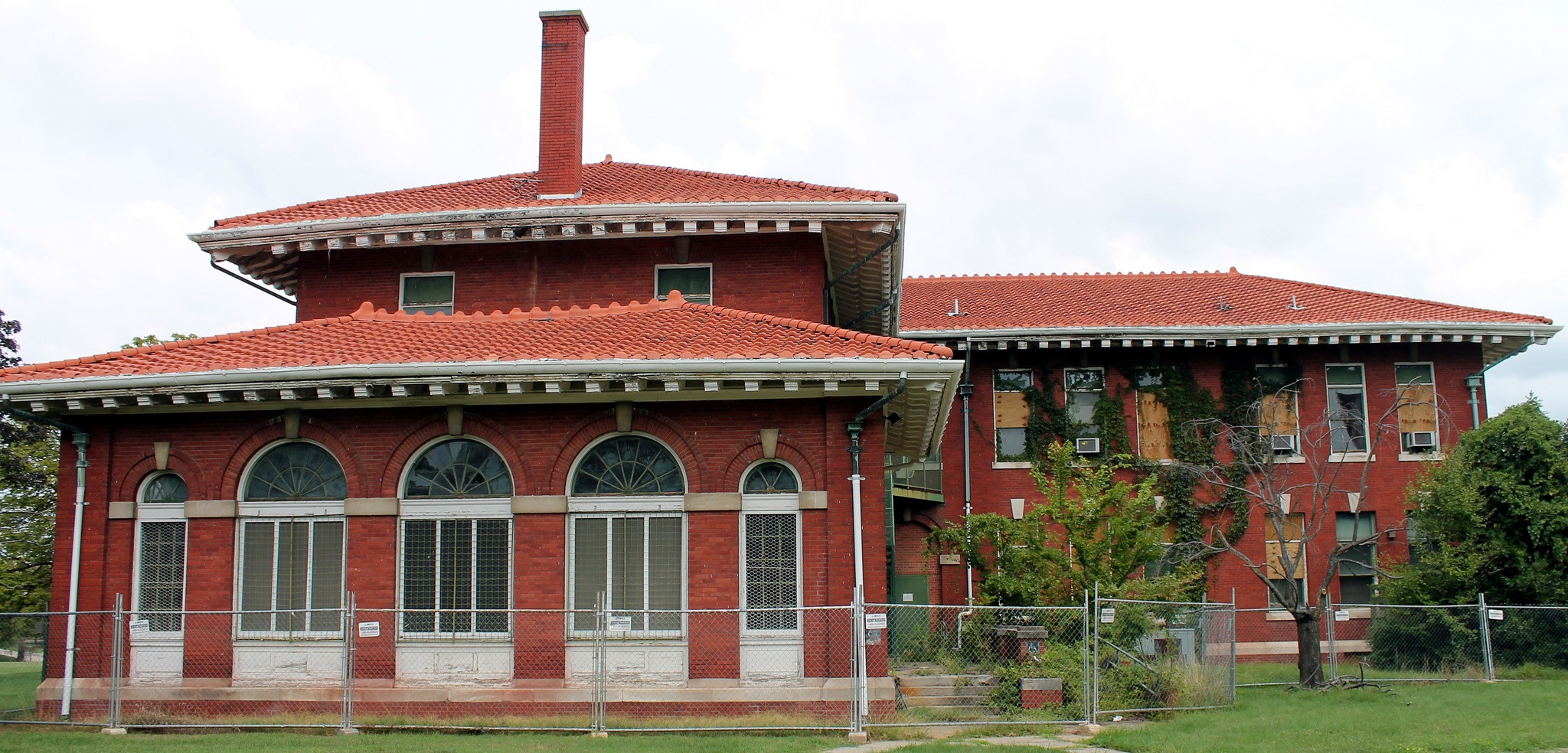
The District’s only public psychiatric hospital has now gone 25 days without potable water, leaving more than 270 patients and 700 staff using portable showers, and drinking and cooking with bottled water.
Patients and staff at St. Elizabeths Hospital have not even been able to wash their hands in the sink since September 26, when officials discovered legionella and pseudomonas bacteria in the water supply, as first reported by the Washington City Paper.
The city announced last week that attempts to clear potentially dangerous bacteria out of the water supply had failed; despite crews replacing every one of the facility’s 900 faucets and chlorinating the water line, tests continued detecting legionella bacteria in the water.
Legionella bacteria can cause Legionnaire’s disease, while pseudomonas can cause severe illness in people with compromised immune systems. City officials have said they do not believe anyone was sickened by the water at St. Elizabeths.
The District chlorinated the water again on Friday and through the weekend, per the Washington Post. Starting on Monday, officials began the days-long process of re-testing the water, Dr. Barbara Bazron, the director of the D.C. Department of Behavioral Health, tells DCist in a statement.
Normal use will resume once all the tests have come back clean, which the city hopes will happen at the end of the week, per Bazron.
Bazron did not answer questions about whether the city will consider moving patients off of the St. Elizabeths campus, nor did she clarify plans if upcoming tests continue to show bacteria in the hospital’s water.
The hospital is continuing to admit new patients even as it enters its fourth week without potable water, per Bazron.
Advocates, meanwhile, say it’s past time to take more drastic action—they want patients at St. Elizabeths to be moved off site.
“If water at your house was contaminated for three weeks with no end in sight, you would remove yourself from your home because of the potential health risks,” says Monica Hopkins, the executive director of the ACLU of D.C. “In this case, there are individuals who are under the care of the state. They rely on the state to ensure that they remain healthy, and we are seriously alarmed by the lack of concern from the mayor and other city entities concerning the condition of the hospital.”
The portable showers at St. Elizabeths are outdoors, requiring patients to go outside to bathe. According to Andrea Procaccino, a staff attorney at Disability Rights DC who visited the property last Friday, many patients are either unwilling or unable to bathe outdoors.
“I was just horrified, especially by the conditions in the geriatric unit. People in wheelchairs can’t be taken down to shower, so I talked to a man who hasn’t been able to wash his hair for a week,” she says. “Another woman said the same thing—she was very upset and her hair was very dirty.”
A young woman in another unit went outside to bathe only once and said she would not do so again, as she felt uncomfortable with the presence of male security nearby, Procaccino says.
She says it’s past time for the city to begin considering moving people out of the facility, especially people in the geriatric unit.
“I’m getting concerned that they don’t have a Plan B. They need to move those geriatric people out—it’s just too much,” Hopkins says. “Those people need to shower. How long is it going to be before you decide we are going to have this plan to start moving people out? A month?”
Hopkins says that she and other organizations who advocate for St. Elizabeths patients have been deeply concerned with conditions at the hospital for months, if not longer. In July, Disability Rights DC released a report outlining various examples of what they said constituted abusive physical restraint and seclusion by St. Elizabeths staff. Patients have sustained fractures and other injuries as a result of these restraints, per the report.
St. Elizabeths also has a troubled history more generally. Until 2014, the 164-year-old hospital was under federal oversight for seven years, after conditions at the hospital were deemed unacceptable—the Justice Department found that hospital supervision was overly lax and that the hospital failed “to provide its patients with a reasonably safe living environment,” per the Washington Post. There have also been consistent reports of assaults of patients and staff.
Ward 7 Councilmember Vincent Gray, who chairs the Committee on Health, will hold a D.C. Council hearing on the issues at St. Elizabeths on November 20. “The District of Columbia Council’s Committee on Health will continue to closely monitor the water situation and share updates on conditions at the hospital,” Gray said in a statement on Saturday.
“I would imagine that after four weeks of dealing with this, that this is having an effect on people’s mental health,” Hopkins says. “And the irony is not lost on us that this is a mental health facility.”
This story has been updated to reflect the updated date for Vincent Gray’s hearing on St. Elizabeths.