 Dominique Maria Bonessi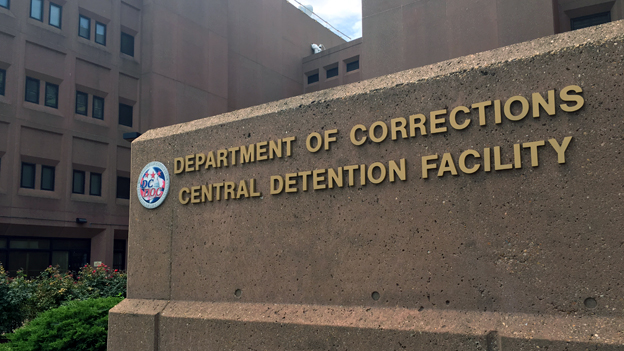
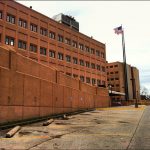
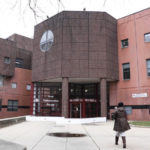
A new report by a District task force says the D.C. Jail is overcrowded and has few resources for inmates and returning citizens.
The report, intended to guide the long-delayed process of building a new facility, finds that poor conditions in the current jail — a focus of criticism for years — continue to be a major issue. The findings echo those of the D.C. city auditor last spring, which cited temperature issues, unsanitary conditions, pests and other problems.
In addition, the report found, necessary services for inmates — including mental health care, job training and re-entry programs — are lacking. The report also recommends a focus on community investment to help address crime through prevention and alternatives to incarceration.
Over the past year, the task force surveyed 1,700 D.C. residents, held almost two dozen focus groups and collected data on the current prison population. The report notes that out of more than 2,000 inmates at the D.C. Jail in 2018, a quarter were held on non-criminal violations, and more than a third were not sentenced and weren’t facing charges for violent crimes. The data also found that the majority of the population were black males, and three-quarters were from Wards 5, 6, and 8.
Ward 6 Councilmember Charles Allen, a member of the group, says the data is based on long-held biases in the criminal justice system.
Allen says the report is a way for the community to have input into what a new jail would look like and what services it would offer inmates and the surrounding community.
“We really have an opportunity here to determine what the space would look like,” Allen said. “We built the current D.C. Jail over 60 years ago when the thought at the time was to put people in cages. We know that that doesn’t work.”
The task force also looked at disparities that impact the criminal justice system, including a lack of affordable housing, job opportunities and mental health issues.
“Those conditions are challenging for everyone; not just for the jail itself, but the community,” said Courtney Stewart, a member of the group and chairman of The National Reentry Network for Returning Citizens.
Stewart was incarcerated in D.C.’s detention facility for eight years. He says the group heard from families and individuals in the District who have been disproportionately impacted by the current criminal justice system.
“If we [returning citizens] are involved (in the taskforce) and people are listening to us, then I have all the confidence in the world,” Stewart said. “But when you start talking about the politics around it, it’s almost impossible to meet all the demands.”
In the next year, the task force is expected to deliver guidance as to how to implement their recommendations. From there, the D.C. government can decide on next steps in building a new prison.
This story first appeared on WAMU.