Martin Austermuhle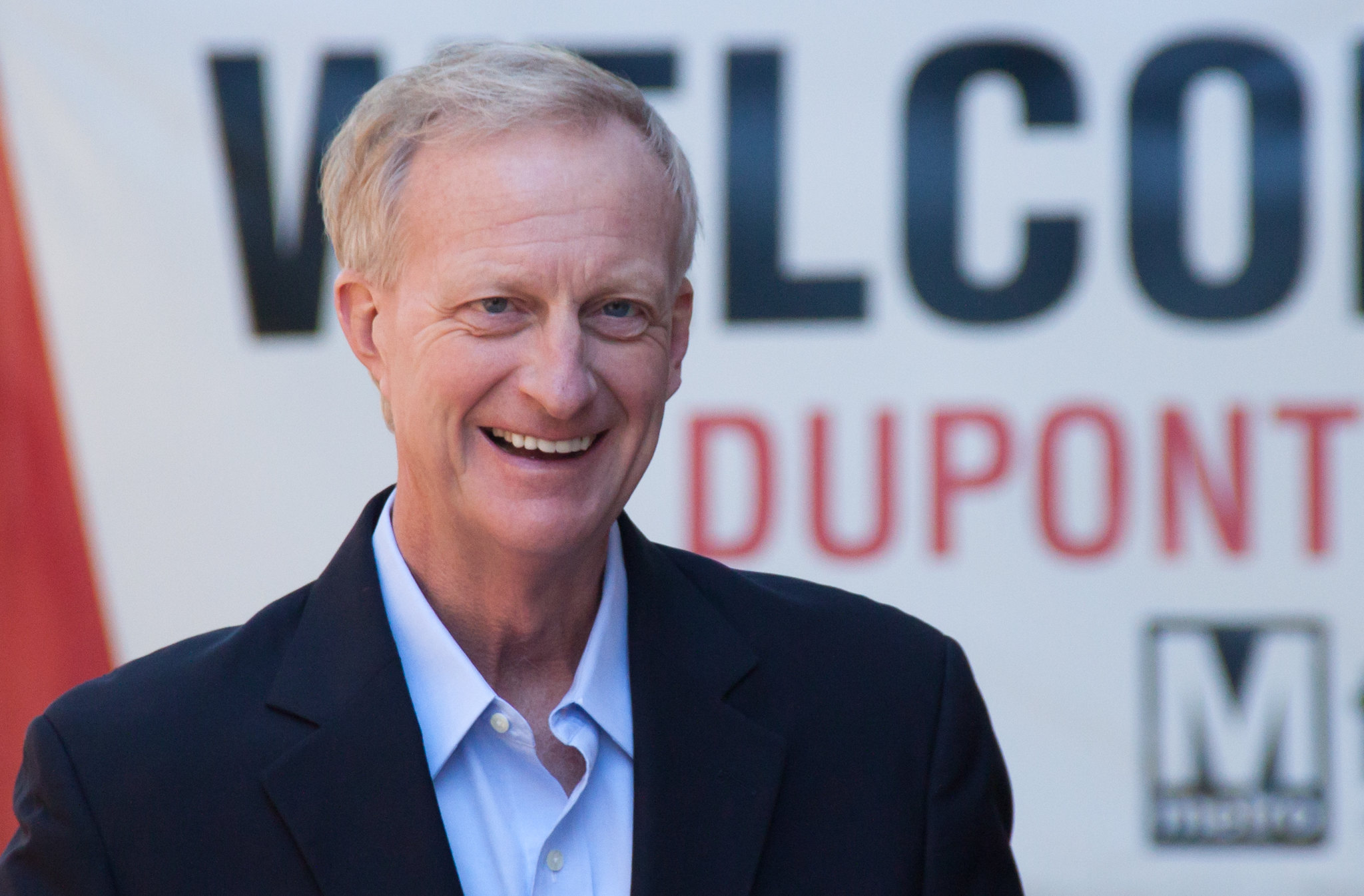
In his political heyday, Jack Evans was a prodigious fundraiser, regularly raking in hundreds of thousands of dollars for his re-election campaigns for the Ward 2 D.C. Council seat he held for almost three decades. But as he seeks to reclaim the office he resigned from in disgrace this month, he’s looking to taxpayer dollars to help fund his campaign.
Evans filed paperwork with the Office of Campaign Finance on Thursday afternoon, and indicated that he will be participating in the new Fair Elections program, which offers qualifying candidates public funds to start and run their campaigns. Evans declined to comment for this story, but OCF said he indicated he will be attempting to use public financing both for the Democratic primary on June 2 and the special election on June 16. Voters will choose someone to finish out the rest of his term, which ends in Jan. 2021.
The Fair Elections program was created in part to help new candidates run for elected office, especially considering that incumbents have traditionally been able to rely on networks of businesses, developers, lobbyists, and well-heeled supporters to fund their runs. Evans was regularly one of those incumbents: in 2016, he raised more than $212,000 for the Democratic primary, where he faced no challenger. And when he unsuccessfully ran for mayor in 2014, he took in more than $1.4 million.
But the raft of ethics scandals he faced over the last year that resulted in his resignation in mid-January seem to have taken their toll, leaving many of his former supporters and campaign funders walking away. A legal defense fund he created to fight an effort to recall him from office only drew $14,000 from a handful of allies.
To qualify for public financing, Evans will have to take in $5,000 in small-dollar contributions—less than $50—from at least 150 Ward 2 residents. If he succeeds and gets enough signatures to land on the ballot, he’ll be able to get $40,000 in start-up funds and have his contributions matched with public funds 5 to 1. He’ll have to swear off any business or corporate contributions, and will have to participate in at least one candidate debate.
Evans is currently facing six challengers for the Democratic primary, four of whom are currently using public financing. As of December, Jordan Grossman had taken in just over $191,000 for his campaign, with almost $140,000 coming from public funds. Patrick Kennedy had$112,000, $91,000 of it coming from public funds; Kishan Putta had $86,500 in public funds, John Fanning had $56,150. (There’s another filing deadline Friday, so these amounts could go up.) All six of his Democratic challengers, as well as one Republican contender, have said they will also run in the special election, which will require separate campaign accounts and public funds.
After Evans announced this week that he would run for his old seat again, his old colleagues expressed a range of displeasure, culminating in an unprecedented statement from the entire group on Thursday saying his decision “shows a willful and arrogant disregard for ethics and is not in the best interest of the District.” They’ve also groused about what Evans has cost taxpayers, in terms of the Council investigation into his misconduct ($250,000) and expected cost of a special election (at least $200,000).
The only possible obstacle he would have faced to taking public financing is a $20,000 fine from the Board of Ethics and Government Accountability he has yet to pay. While D.C. law requires that any candidate taking public financing be “current with respect to any fines or penalties,” Evans has until August 2020 to pay the fine, meaning he is not yet delinquent.
This story originally appeared on WAMU and has been updated with more accurate figures for Patrick Kennedy’s fundraising totals.