Natalie Delgadillo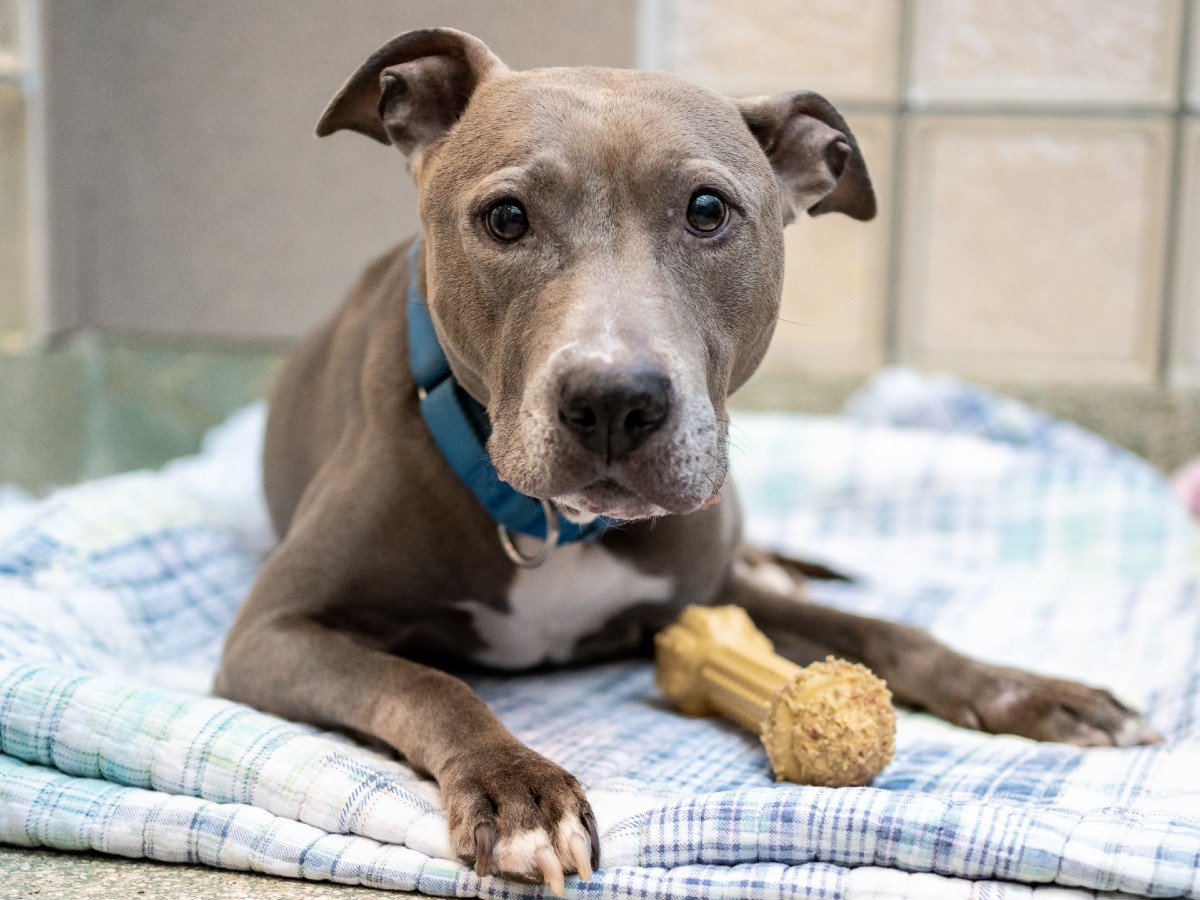
Social distancing is lonely.
Is there a worse way to cope with global pandemic and economic collapse than by completely cutting off all in-person interactions and staying at home alone for weeks on end? Humans were not built for this.
Luckily, there are some non-human companionship options to help maintain sanity. Need a cuddle? Dogs are good for that.
[For more non-canine/feline resources to help manage stress and anxiety, see here.]
Plenty of Washingtonians have gotten the memo, using this time of social distancing and quarantines to fulfill long-held dreams of fostering or adopting an animal. People who always believed they were too busy to bottle feed a kitten all day or house train a puppy have suddenly found themselves with long stretches of unfilled time at home and a desire to do something helpful during a chaotic period.
“I have a lot of friends and family going through tough times right now, but the truth is that the most help that I can offer people is by staying home,” says Esha Sarai, a D.C. resident who’s been largely quarantined in her apartment for more than a week now.
Sarai passed through the airport in South Korea earlier this month on her way home from visiting family in Thailand, and decided out of an abundance of caution to stay home for 14 days; now the rest of the city has caught up with her, as officials have recommended that everyone in the city practice social distancing to limit the spread of the new coronavirus. “Having an animal would allow me to provide care to something without further endangering my wider community,” she says.
Sarai applied to foster a cat in her home on Tuesday, something she says she’s talked about doing for months, but never did because of how often she has to travel for work. “I need something alive in my apartment other than my house plants,” she says.
And she’s apparently not alone: Local animal rescues have noted a significant bump in the number of people applying to foster animals in the last few days. The Humane Rescue Alliance had an average of five foster applications per day earlier in March, but received 90 signups on Monday alone. DC Paws, another local rescue, has also seen an uptick, with about 30 foster applications coming in in just the last couple of days, according to volunteer Lizzy Dawahare.
Still, local shelters are encouraging as many people as possible to foster or, if they’re able, adopt pets in the coming weeks, as they’re expecting increased demand.
“In other times of economic downturn, we have increased intake [of animals], and we are expecting the same here,” says Ashley Valm, the director of adoptions at the Humane Rescue Alliance. “A lot of our intake is due to people who need to move because of economic reasons, or consolidate into their family’s home, or can’t afford basic necessities for their animal.” (To that end, Valm says, she does not suggest adopting an animal if you’re not sure you’ll be able to support it financially).
The Humane Rescue Alliance remains open as of Wednesday afternoon, but says people should only come see the animals if they’re ready to take one home that same day.
Ted Van Houten, a Capitol Hill resident, says he and his partner want to speed up their planned adoption of a cat, since they no longer have to wait for a weekend when they’ll both be home to spend time with the new pet. After browsing animal rescues on Tuesday, they’ve decided they’ll likely foster a cat while they try to find one that’s a good permanent fit in their home.
For Van Houten, getting the new pet while he and his partner are trapped at home—and while things outside feel increasingly bleak—will help provide some comfort and purpose.
“[Right now], all the new things are bad things. So it’s kind of nice to have something new in your life that’s good,” Van Houten says. “There are no new sports games to watch, there’s no new things your friends are doing, there is no new restaurant you can eat at. So just the fact of having something new that’s positive is a good thing.”
And it’s not just positive for you, he says—it’s also good for the animal. “If you have the capacity to save a life right now, you should do that,” he says.
Owners should also be careful to acclimate their new pets to schedules similar to what they’ll experience when everyone eventually goes back to work, according to Valm. That holds especially true for puppies and dogs, who might suffer from loneliness and behavioral issues if they’re suddenly left home alone for long stretches.
“Maybe if you’re working from home, keep them in their crate while you work from your desk. Get them used to being alone for longer and longer periods of time,” she says. But the risk to the dog’s socialization is higher if it remains in a shelter for that period of time, as opposed to in a family home, Valm says.
Some longtime animal foster parents in the area are also hopeful that this time will encourage more people to foster even when things eventually return to normal.
“It’s so worth it, it’s so rewarding. The amount of work you have to do doesn’t feel like a burden at all. Even the activities you have to carve out time for, you forget about it as a burden … it feels like something that you get to do,” says Dawahare, the volunteer with DC Paws. Dawahare has been fostering dogs and cats in D.C. for about two years now, sometimes on top of being a student and working.
Currently, Dawahare is fostering two cats and a great pyrenees who recently got out of the hospital for a case of pneumonia. She had to take the large dog in the middle of the night earlier this week, a decision she said was made much easier by the fact that she’s currently working from home and mostly confined indoors. As kitten season approaches, she says she’ll also be able to take on bottle-fed kittens, which is usually difficult for her because of her schedule.
She says she hopes that people hesitant about the commitment or the emotional difficulty of taking on fosters consider using this time to find out how rewarding it is.
“It’s always hard to let that first foster go … but the first thing you think is, ‘I would do it again in an instant,'” she says. “The little bit of heartbreak that you feel is to make sure they don’t have to have their heart broken anymore. So it’s worth it.”