Rachel Kurzius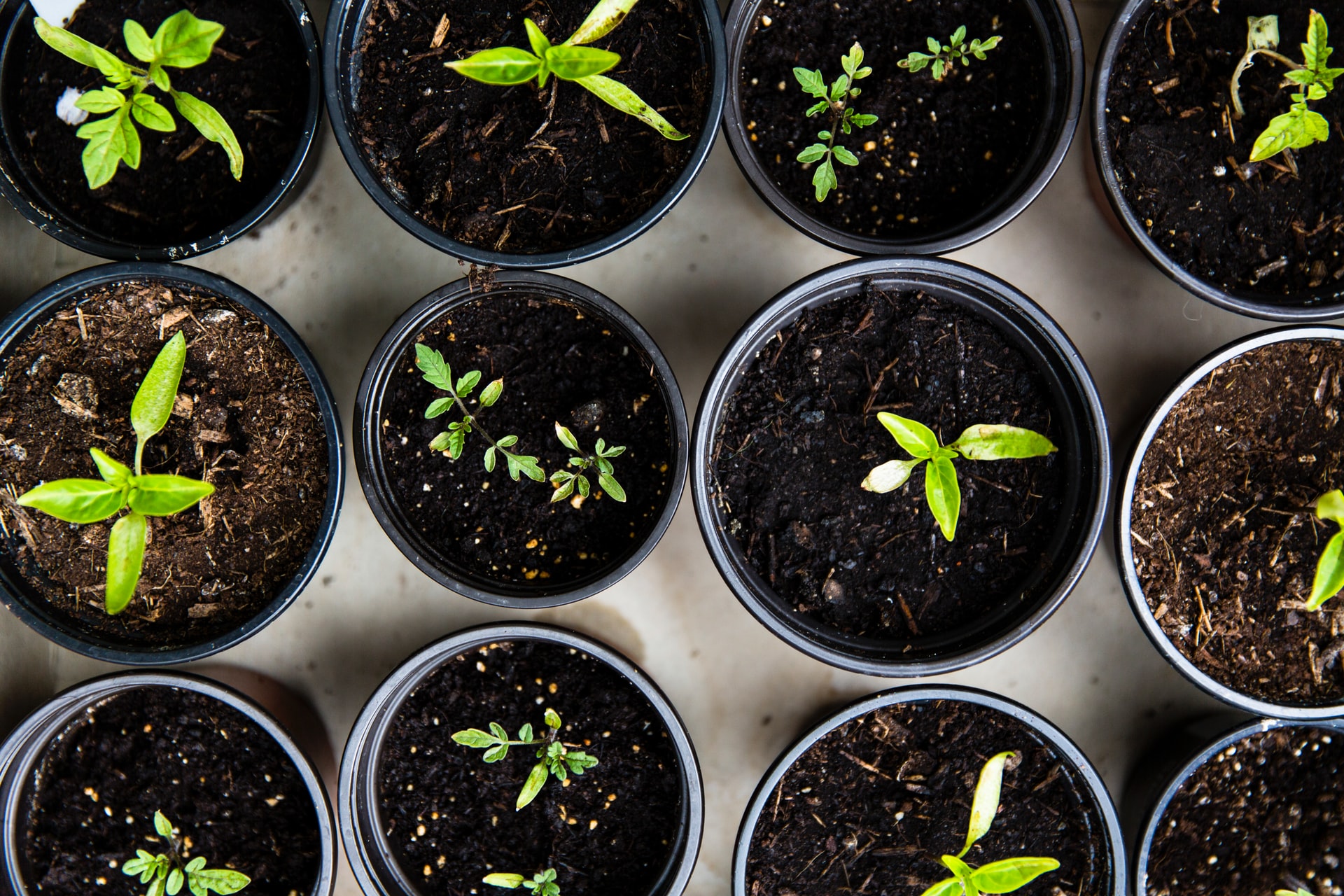
Anya Olsen bakes to relieve stress, usually focusing on sweets like cakes, cookies, and pies. She’s always wanted to try her hand at bread, too.
“What I’ve always said is, ‘I need more time,'” Olsen explains.
Now, she is self-quarantined after developing a cough and chest tightness more than a week ago. A doctor told Olsen to stay put until 14 days after her symptoms go away. Suddenly, she has time.
“I bought a bunch of yeast and was basically like, ‘Here we go,'” she says.
Olsen has already made a handful of small loaves. Her boyfriend and some friends live in the same building, so even though she can’t see them, she leaves bread outside of her apartment for them. While she can’t break bread with them, at least she can give them some loaves.
The spread of the coronavirus has meant many horrifying things: death, layoffs, anxiety, and loneliness among them. But it’s also created a much more mundane challenge for Washingtonians in self-quarantine or practicing social distancing, who find themselves trying to figure out how to spend the ample time on their hands.
Some are using the newfound hours as a chance to tackle items that have long collected dust on their bucket lists.
Shane Boswell lives on five acres in Clarke County, Va. with his wife and three sons, and he has long wanted to produce all of the food they need on their land. The family was already raising chickens and had fruit bushes. But Boswell’s dream has been to have a 20-foot by 20-foot garden with food like corn, potatoes, peas, and watermelons “so we have something sweet.”
His vision is that his family could “take a basket full of summer squash or tomatoes to people who just moved into the neighborhood and say, ‘Welcome to the new neighborhood, here’s something we grew with our own hands.'”
Boswell, who works for a large technology company, already worked from home about half the week. But with all the time still spent commuting and otherwise away, he was wary about pulling the trigger on such a big garden.
“It’s really easy to bite off more than you can chew,” he says. “It’s really hard to keep up with the weeding and the fertilizing and the harvesting.”
Now that he’s working from home every day, with opportunities between conference calls to get outside, he made that garden a reality. “This is an opportunity for me to be here and to work in it a little bit every day, which is what a garden needs,” says Boswell. “With COVID-19, I have the time, so we’re going to live our dreams.”
Alexis Thom, a D.C. resident who is currently teleworking, doesn’t have five acres but is still making use of her green thumb.
She and her husband first discussed having an herb garden in 2017. Now, as they social distance, they decided to go ahead and make it happen, planting chives, green onions, and more. As Thom works from home, the herb garden sits beside her so she can watch as it grows. “It’s really cute to watch the seeds pop up,” she says.
Thom has also made a sourdough starter, another thing she long wanted to do, “but I never liked the idea of leaving a bowl of flour and water around the house” by itself, she says.
Petar Dimtchev, a D.C. lawyer and DJ, is also diving into the world of dough. All of his DJ gigs during the normally busy time of spring have been cancelled, leaving him with wide open weekends. He’s filling them with pizza-making, something he has long been interested in.
“I’m so crunched for time [normally], so there’s never been an opportunity,” says Dimtchev. “Usually, I’m mixing beats. Now it’s time to mix something else—in this case, pizza dough.”
Dimtchev bought some key utensils and has instructional YouTube channels at the ready. So will he be tossing the dough in the air by the time the pandemic has subsided? He’s not making promises. “You have to learn how to crawl before you learn how to walk,” he says.
Jason Biehl, a teacher and anti-racism activist, has seen much of his scheduled work cancelled or postponed. He’s written shorter articles, but has long sought “the space and the time to dig into my own personal stories—my own learning and my own mistakes in a way that might be helpful to others.”
Now, he’s got that time and space, so he is working on a pitch proposal for his memoir. “For every day this week and next week, I’m aiming to have at least a three-to-four hour productive window,” he says. “I haven’t been this productive in a while. I feel like I have the home time and the uninterrupted time to really push forward.”
Robin Savannah Carver has also had an idea marinating in her mind—a board game that resembles Dungeons and Dragons, but with less mechanical complexity. She’s been working from home for more than a week, and thought, “Let me hunker down and finish a project,” she says.
Carver has never designed a board game before, but notes that it’s similar to party planning, which she has plenty of experience with. She made a list of experiences that she wants players to have, and values that she wants to come across through the game. (For instance, she notes, Monopoly’s values are that people win by accruing a lot of wealth.)
She wants her game to promote solidarity between people. “In my game, there are only three things you can do: try to hurt people, help people, or move forward,” Carver says. To promote players helping one another, that action won’t take resources. She plans on working on the game, which is nameless for now, from 5 to 6:30 p.m. each night.
“After 20 to 30 hours, I’m hoping to be like, ‘Here’s the rulebook, here’s the little cards,'” Carver says. Then, once people are encouraged to gather for game nights, they can try hers.