Matt Blitz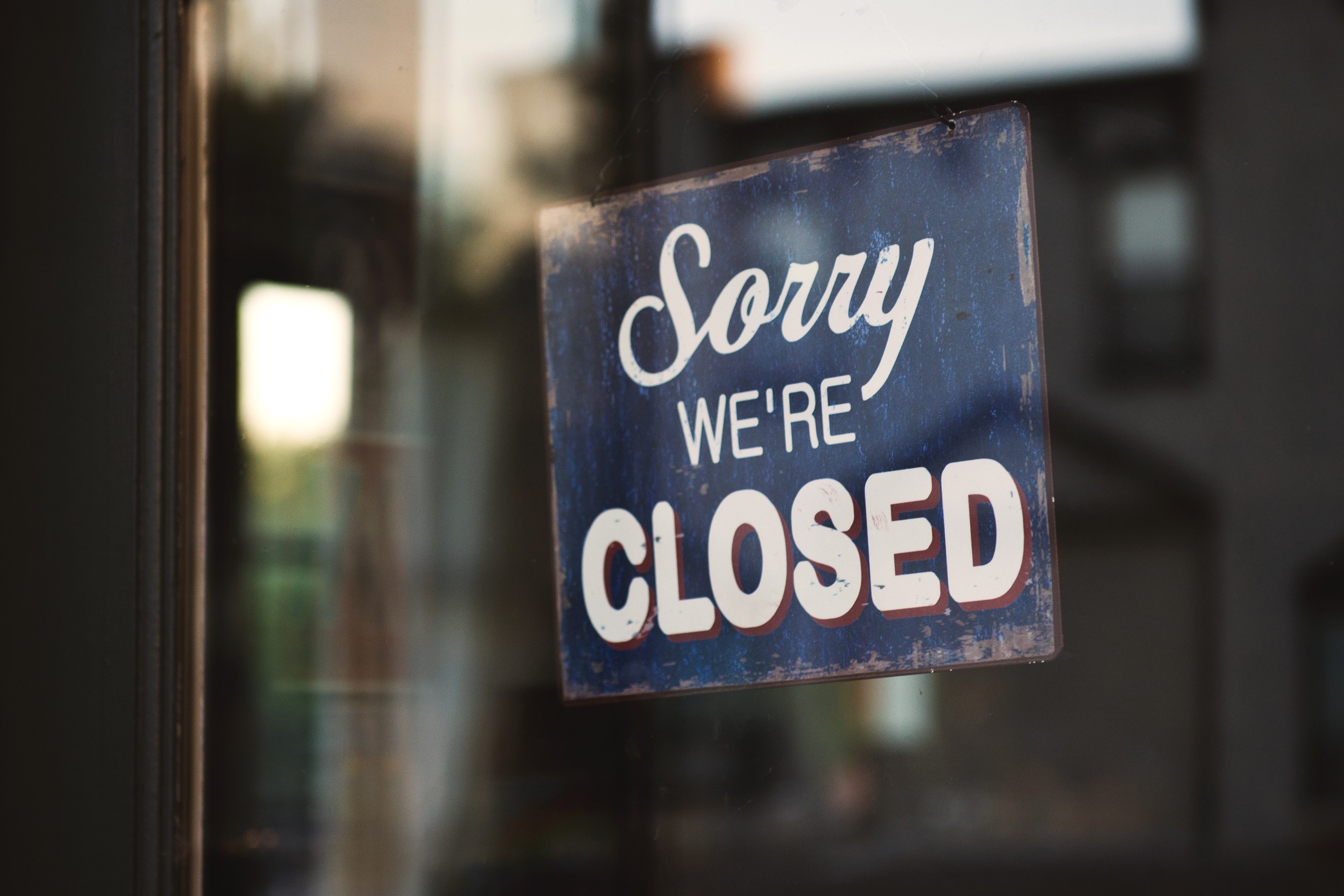
D.C., Maryland, and Virginia all released executive orders this week that called for the closure of “nonessential businesses” in an attempt to slow the spread of the novel coronavirus.
But defining what exactly constitutes an “essential business” can be tricky, and there is some variation within the jurisdictions.
All three orders shut the doors of movie theaters, gyms, nail salons, barbershops, tattoo parlors, and many retail stores. Similarly, there was a consensus that grocery stores, banks, auto repair shops, liquor stores, and gas stations would remain open.
However, a few differences exist within each jurisdiction’s orders, some of which can be attributed to the make-up and economic priorities of each place.
For example, D.C. has issued an order that has defined specifically what an”essential business” is. It breaks down businesses into 13 different groups that include public health operations, essential infrastructure, food and household products and services, and transportation logistics. The city encourages those businesses to stay open, and orders that other establishments close through April 24.
Similarly, Virginia’s order provides 13 examples of essential retail businesses that can stay open (while employing proper social distancing, of course). This includes grocery stores, pharmacies, home improvement retailers, pet stores, dry cleaners, and medical supply retailers. Diverging from D.C., commonwealth brick-and-mortar businesses that aren’t listed in the order can stay open if they can limit customers to 10 at one time. If a business can’t adhere to the 10-patron limit while maintaining proper social distancing, it must close.
But in Maryland, the order closed “nonessential business” while issuing out further clarifications and additions to its list to what constitutes an essential business. Ultimately, the state said on Tuesday that it will allow businesses to make their own “good faith determination” about whether they should stay open.
There are some other differences. Virginia classified “lawn and garden equipment retailers” as an essential business while D.C. did not. The reason for this comes down to the needs of the agriculture industry within the state, according to Angela Navarro, Virginia’s deputy secretary of commerce and trade.
“[It’s] the access for farmers and individuals to continue to plant gardens and move forward with agricultural production,” Navarro says. “We’re in March and getting into April, and this is a busy planting season for a lot of individuals. So, this goes back to the whole food supply.”
And, in this moment of social distancing, the commonwealth said stores selling communication technologies like cell phones, computers, and tablets could keep their doors open. These stores aren’t specifically mentioned in Maryland’s or D.C.’s list.
“Individuals … are spending a lot more time teleworking right now,” Navarro explains. “We need access to these sorts of communication technologies so that workplaces can feel comfortable allowing their staff to telework.” This exemption applies to office supply stores and Best Buy, which is not allowing people inside its stores, but proceeding with curbside order pick-up.
Maryland’s list of essential businesses is longer and more exhaustive than its neighbors. It initially encompassed 15 categories and nearly a hundred types of businesses, some of which are not included on Virginia or D.C.’s lists. A few of these include bail bondsmen, companies that research or manufacture defense systems, well drillers, and self-storage facilities. And they’ve been updating it throughout the week.
“We did provide latitude to businesses,” says Karen Glenn Hood, director of communications for Maryland’s Department of Commerce. “I personally spoke to businesses that had government contracts to fulfill, that were able to convince us that they were mission-critical.” In the end, says Glenn Hood, they asked businesses to “use their best judgment.”
The District also explicitly deems “medical marijuana cultivation centers” as essential. Medical marijuana is legal in all three jurisdictions. Maryland has kept theirs open, while Virginia currently has no dispensaries.
Considered essential in D.C., VA, and MD:
- Grocery stores, liquor stores, farmer’s markets (with restrictions)
- Hospitals, medical facilities, and pharmacies
- Cable, phone, and internet infrastructure and providers
- Banks and financial institutions
- Laundromats and dry cleaners
- Auto repair shops and gas stations
- Child care facilities (with restrictions)
- Restaurants that offer take-out, grab and go, and delivery
Considered nonessential in D.C., VA, and MD:
- Movie Theaters
- Bowling Alleys
- Gyms
- Spas
- Barbershops
- Nail and Tanning salons
- Tattoo Shops
- Auditoriums
- Massage Parlors
For further guidance, consult the individual orders: D.C., Maryland (and all their subsequent clarifications), and Virginia.