Matt Blitz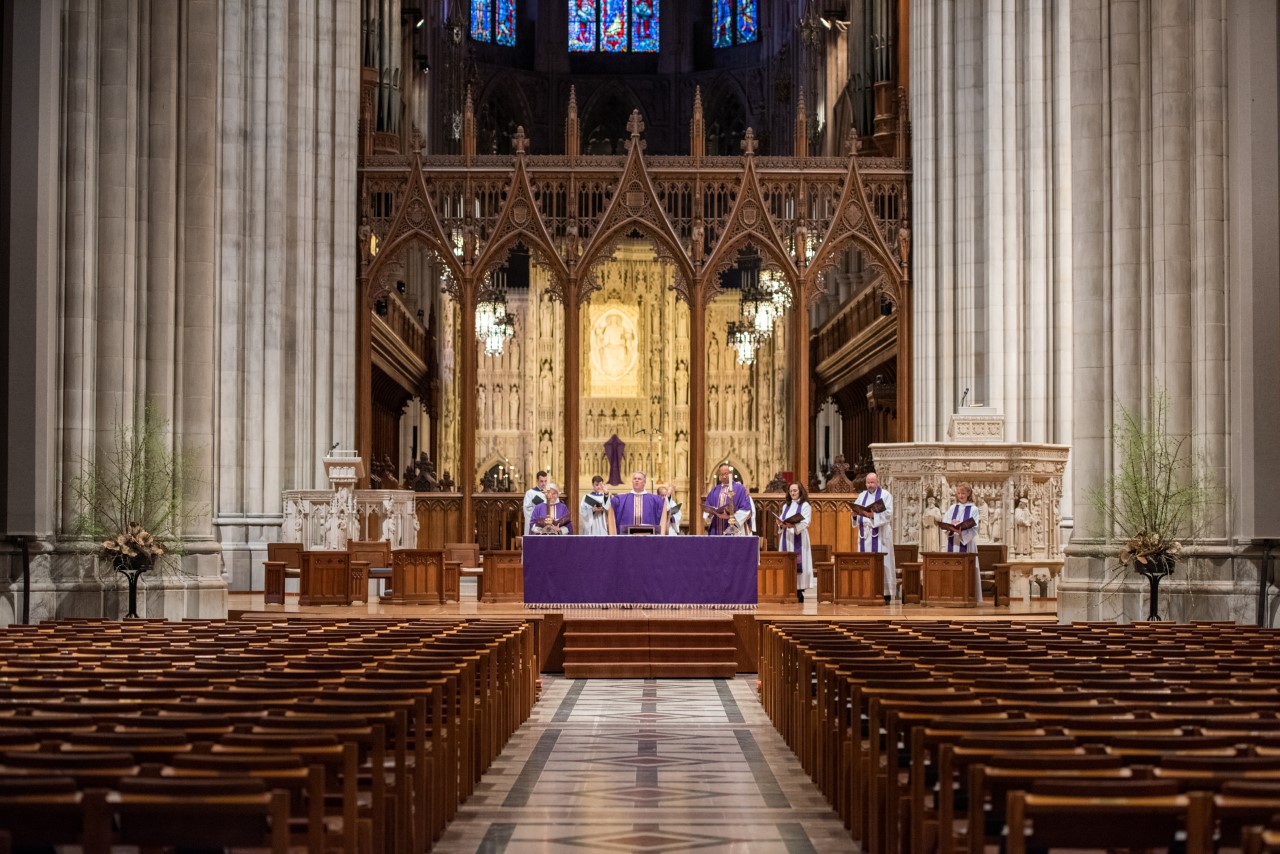
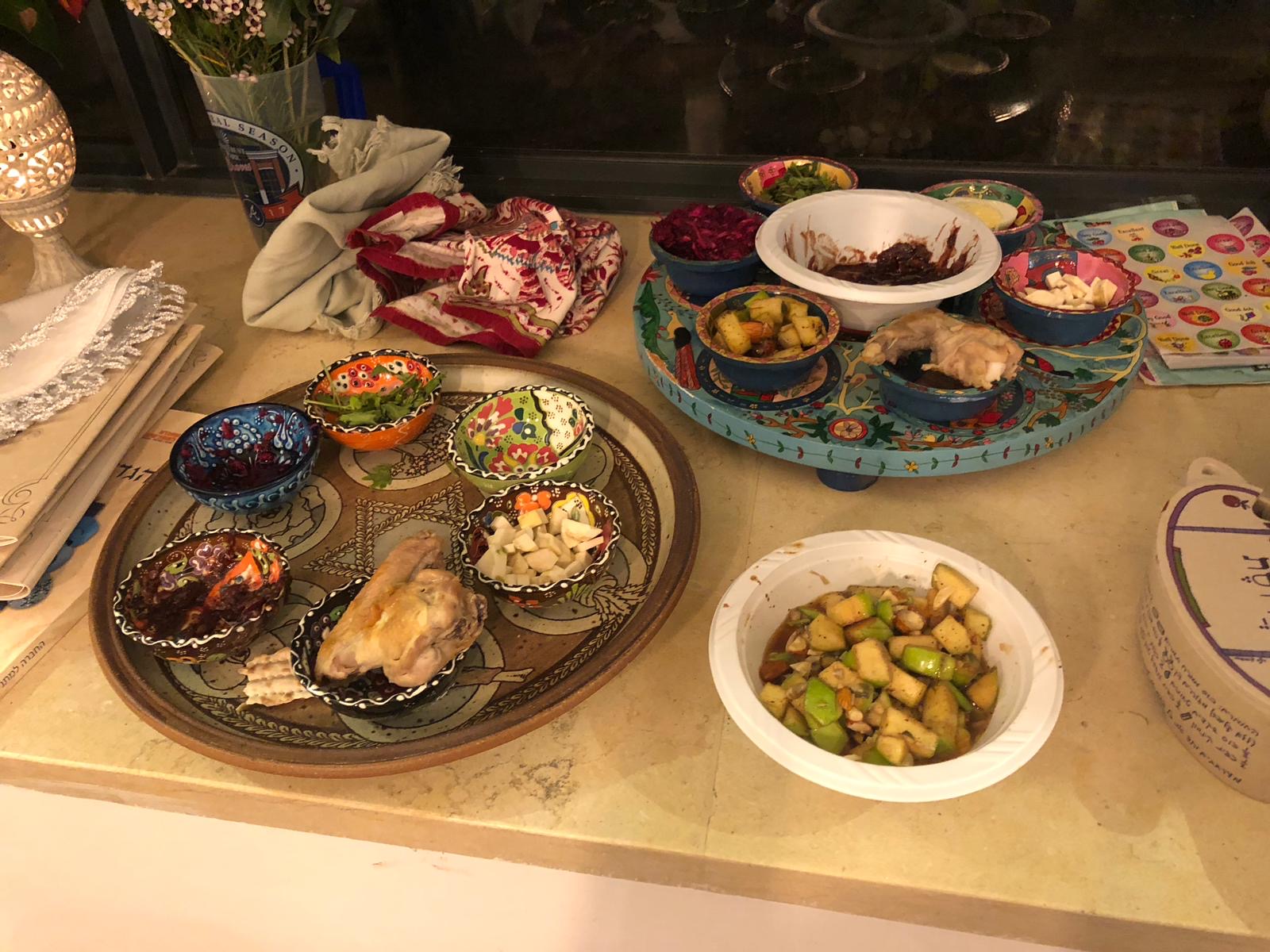
Passover, which begins next Wednesday night, was supposed to be an especially big holiday for Eliana Golding and Yael Shafritz. The couple have been together for three and a half years, but their parents haven’t met in person, because Shafritz’s parents live in London and Golding’s parents are in Massachusetts. The couple planned to host the entire clan at their house for the Jewish holiday in the 16th Street Heights neighborhood.
“But then, the UK went into lockdown and Yael’s family’s flights got cancelled,” says Golding. “And my dad works at a hospital. He’s a doctor.” They are bummed out, but the two of them are going to prepare their own (vegetarian) Seder and Zoom with both sets of parents. Just maybe not at the same time. “The time difference makes it a bit tricky,” Golding says.
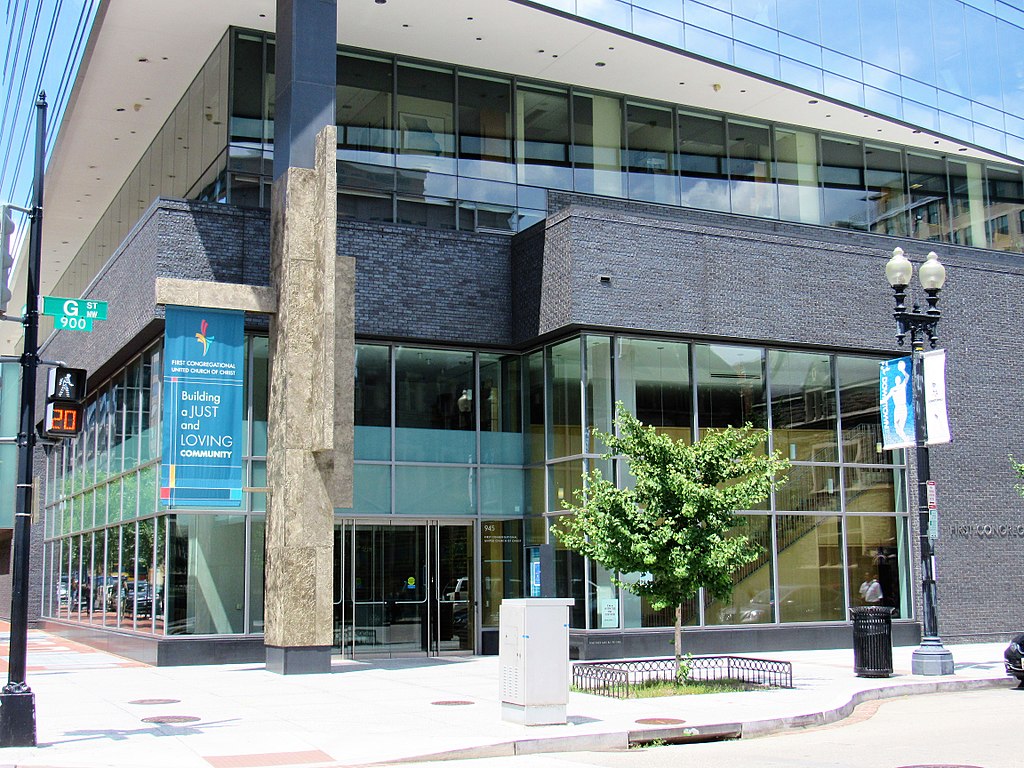
Across the city, Reverend Amanda Hendler-Voss is also dealing with best-laid plans being pushed aside due to the spread of the coronavirus pandemic. Just over two weeks ago, Hendler-Voss began her new position as the designated senior minister at First Congregational United Church of Christ on G and 10th Streets in NW. But by then, the region and the world were already in the midst of rapid-fire restrictions, escalating guidelines, and social distancing measures.
“I have not even had a chance to meet the congregation in person,” she says. Over the last two Sundays, she’s been preaching and conducting services to an empty sanctuary while broadcasting to congregates’ homes via Zoom. For Easter, the plan is for her to broadcast from her Prince William County home where she lives with her husband and two sons.
It’s been a learning curve that Hendler-Voss certainly didn’t expect. “We are figuring out these technologies … that they don’t teach you in theological school,” she says.
Twenty five miles west in Sterling, Va., Hurunnessa Fariad wants this year’s Ramadan and Eid al-Fitr to be like any other for her four daughters when it begins later this month. Fariad is the outreach director at Sterling’s ADAMS Center, the second-largest mosque in the US. She says while there are somber aspects to the holiday, this year she’s going to concentrate on making it joyous for her family. That means more cooking, playing games, gift-giving, and dresses.
“Every year, we buy new clothes for Ramadan,” says Fariad. “This year, I’m still going to try to do that. Whatever we can do, we will do. I want to make life as normal as possible.”
As the novel coronavirus continues its gradual and deadly spread, similar scenes are unfolding throughout the country and region as three of the world’s major religions prepare to celebrate some of their most important holidays. Passover, commemorating the Jewish people’s exodus from Egypt, begins on the evening of April 8 and continues for eight days. Easter, marking Jesus Christ’s resurrection from the dead, is on April 12 this year. Ramadan, which lasts a whole month, is a holiday of self and spiritual reflection with sunrise-to-sunset fasting. It begins in the evening of April 23 and concludes with Eid al-Fitr, a celebratory feast, on May 24.
Normally, the season would be marked by family meals, religious services, and joyous gatherings. But not this year. With stay-at-home orders in place and social distancing guidelines heeded, it’s requiring religious leaders, clergy, and everyone who is looking to practice their own faith rituals to adjust in a major way. In their efforts, the region’s religious leaders are finding hope, gratitude, and innovation.
The National Cathedral, for example, is using newly installed technology to bring Easter services home. The cathedral expects that more than 50,000 people will attend Easter Services virtually, about 10 times as many as those who typically attend in person.
“We invested in quite a bit of money last year upgrading our video capabilities, so now we have this wonderful system of 10 cameras that one person can run,” Dean Randy Hollerith tells DCist. “[I] never imagined it would serve in this sort of situation. It’s a little bit of God’s grace that we have it.”
The current plan is for Easter week to have “a skeleton crew of clergy and musicians” in the sanctuary conducting the service, in accordance with the local regulations banning gatherings of 10 or more people. Then, with the tech set-up, they will broadcast it via YouTube, Facebook, and the cathedral’s website to viewers watching at home with their families.
“It’s okay to have an empty cathedral and still celebrate the empty tomb,” says Hollerith.
Of course, plans and circumstances can change rapidly, as has happened over the last month. Dean Hollerith says the National Cathedral has had discussions on making Easter services work even if no one can be in the sanctuary. “If the situation changes, we’ll do something from home. We are adapting on a daily basis just like everyone else.”
Though Passover is celebrated in the home, not in a synagogue, Washington Hebrew Congregation near McLean Gardens is working on resources to assist those who might want some help for the holiday. Senior Rabbi M. Bruce Lustig says that he and his colleagues have been hustling to put together a “virtual Seder guide” with spiritual guidance and music with the hope that will make people feel more connected to the community even if they can’t be physically together.
“We ask the question [on Passover] ‘Ma nishtana halailah hazeh’—why is this night different than any other night?” Lustig says. “Well, this Seder is going to be different than any other we’ve experienced.”
With Governor Northam’s stay-at-home orders in effect until June 10, the ADAMS Center will be closed for the entirety of Ramadan. There were to be prayer services throughout the holiday and a nightly free meal that attracted hundreds of people in years past.
While many prayers can be performed at home, Fariad says, there are several that do ask for a congregation and being in-person at the mosque. Some in the community thought the mosque should stay open, but Fariad says that it’s important that it remains closed.
“Our faith teaches us that when lives are at stake, that takes precedent over the mosque,” she says. Instead, sermons are being posted on the center’s site every day and clergy are asking everyone to follow the stay-at-home orders. “The mosque doesn’t make Ramadan,” says Fariad. “[The holiday] will come regardless.”
Hendler-Voss says whenever everyone is able to gather again, First UCC is going to throw a big celebration with the brass band that was originally scheduled to play on Easter Sunday. They want to call it “Resurrection Sunday.”
Fariad says that while she’s disappointed that no one can partake in the festive, often crowded evening meals that are typical during Ramadan, she knows this is a chance to more fully understand the nature of the holiday season. “This is bringing families together,” he says. “That’s the essence of Ramadan and Eid.”
Similarly, Lustig of Washington Hebrew Congregation sees similarities between the message of Passover and what we are experiencing today.
“There’s a better tomorrow and a new horizon. We’ve traveled through deserts before and made it to the promised land,” says Lustig, “Imagine what the world will be like if our concern coming out of this … is that we have greater empathy and greater compassion for other human beings?”