Matt Blitz
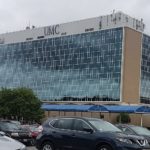
On Wednesday night, the Office of Mayor Muriel Bowser announced agreements to build two new hospitals in the District that will eventually replace both Ward 8’s United Medical Center and Howard University Hospital in Ward 1. The long sought after deals would upgrade facilities with the goal of greatly improving health-care access in parts of the city that are heavily African American.
These deals come after a long, complicated history of attempting to build new hospitals and medical care facilities east of the Anacostia River that seemed, at times, like they were never going to happen.
The $375-million deal will include the construction of a 136-bed hospital at St. Elizabeths East with the ability to expand to 196 beds and an expected opening of fall 2024. A new ambulatory center at St. Elizabeths is being planned to open a year earlier, in fall 2023. Two new urgent cares in Wards 7 and 8, which are being funded by Universal Health Services at a cost of $21 million, are also expected to open in fall 2021 and spring 2022, respectively.
The new services in Ward 8 will be a marked improvement over publicly-run UMC, which has been dogged by accusations of mismanagement and medical mistakes. The hospital closed its obstetrics ward after a medical mistake, and also shut down its cancer clinic last year.
At a Thursday press conference, City Administrator Rashad Young said that “the mayor’s mandate to [the city] is that we ought to be out of the hospital business.” The new hospitals will be funded with public money, but they’ll be operated privately, Young said. The city will keep a reserve fund of $25 million for the first five years of the St. Elizabeths hospital’s operations, to cover operating losses while the hospital is getting up to speed.
With D.C.’s upcoming budget already facing a large projected shortfall due to the pandemic, Young says that the construction of these hospitals will force the city to make tough but necessary “tradeoffs and some frankly difficult choices” in the budget.
As touted by Bowser in a series of tweets, the deal is structured as a public-private partnership with Universal Health Services, George Washington University (who will manage the hospital), and George Washington Medical Faculty Associates all being involved.
The D.C. Council still needs to approve the deal and is expected to do so in June. The current United Medical Center and Howard University Hospital will remain open until the new hospitals are completed.
Additionally, the District is providing a $225 million tax abatement plus an additional $51.6 million for infrastructure support to Howard University and its private operating partner Adventist Healthcare to build a planned $450 million, 225-bed level 1 trauma and teaching hospital. The facility is planned to be completed by 2026. There will also be teaching centers and office space in the new facility with the District committing to having a government agency as a tenant.
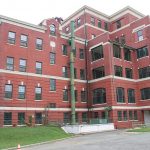
Howard University Hospital has more than a century-old history of being the premier training center and teaching hospital for the country’s African-American doctors, something that the Mayor’s office highlighted in its press release.
While these deals and projects pre-date the pandemic and are not directly tied to it, the Mayor’s press release acknowledges the need for “a more equitable health care system” in the city and building “a health care system that meets the needs of all residents [and] attacks health disparities.”
As of Thursday, Ward 8 has seen the most coronavirus-related deaths and, overall, of the District’s 224 victims, 79 percent are black. Only 46 percent of the District’s population is black.
This story has been updated with comments from City Administrator Rashad Young and the latest data on the number of coronavirus deaths.