Matt Blitz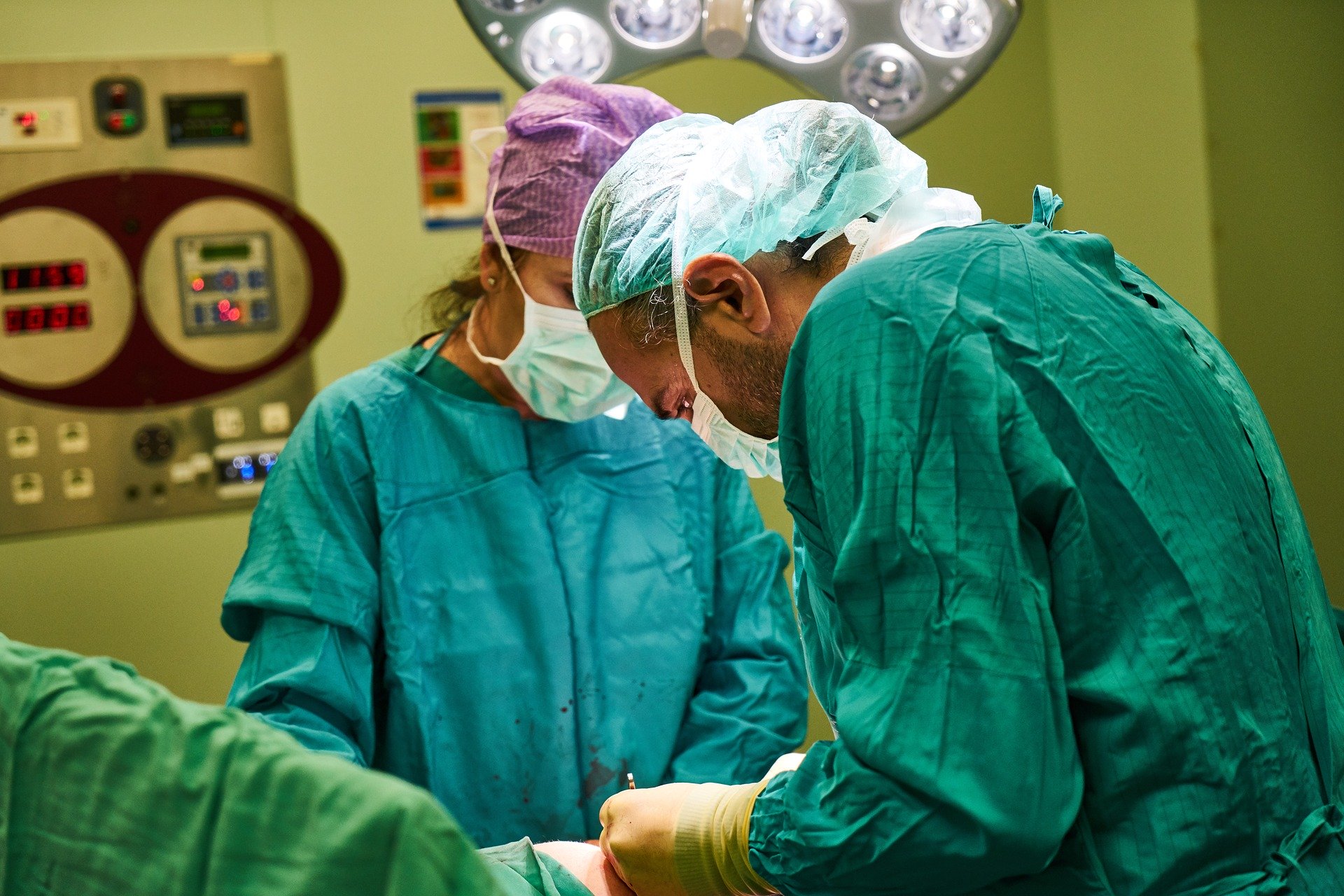
On Friday in Virginia, for the first time since March 25, elective surgeries were allowed to proceed in the commonwealth. Governor Ralph Northam announced last week that he would not extend the executive order halting such procedures amid the pandemic, meaning that doctor’s offices and hospitals were free to begin performing them again.
The move preceded the governor’s announcement on Monday that he plans to enter Phase One of reopening the state on May 15, allowing some businesses to reopen with social distancing measures and other precautions in place. Virginia appears to be moving faster on its reopening than either Maryland or D.C., and it also took longer to institute social distancing measures like closing businesses down.
Northam has taken some flak for his state’s response to the virus, particularly its lag in testing. Virginia is near ranked near the bottom for number of tests conducted per capita, though the governor has said they’re working to increase testing capacity.
But doctors and other medical practitioners in the state say they’re glad the ban on elective surgeries has been lifted—waiting too long to schedule serious surgeries could have a detrimental effect on people’s health, several physicians told DCist.
“I feel confident that [patients] should get elective procedures done,” says Dr. Haroon Rashid, an internal medicine physician at the Urgent Care Center of Arlington and the Commonwealth Medical Center in South Arlington. “If they’re not done, it can lead to more complications. And, potentially, mortality.”
But speaking on Sunday afternoon, Dr. Haroon Rashid said it’s still been quiet at the Urgent Care Center of Arlington. He thinks it’s been slow because of COVID-19 fears.
“[Patients] are afraid of coming in because they are afraid of getting something much worse than treatment for their current medical condition,” says Rashid. “They are not paying attention to anything else besides COVID.”
At a press conference last week, Northam said the decision to allow elective surgeries again was based on the commonwealth’s success in slowing the spread of the virus enough that hospitals can handle the potential caseload, as well as patients’ need for these types of procedures. “Elective surgeries can include everything from knee replacements to some cancer treatments,” Northam said. “These are procedures that can wait a while, but certainly not forever.”
According to Northam’s March 25 executive order, elective surgeries were defined as those where a delay would not “cause harm to the patient by negatively affecting the patient’s health outcomes, or leading to disability or death.”
Dr. John Moynihan, the chair of the department of surgery at Inova Fairfax, says these procedures run the gamut and could be anything from hernia surgery to sports-related orthopedic procedures. He cautions that just because something is defined as “elective” doesn’t mean it isn’t important, and he agrees with the timing of Northam’s directive (Northam is also a physician). “I think the governor very carefully weighed the pros and cons of that decision…and the lifting of the moratorium was done at the appropriate time,” he says.
The Virginia Hospital and Healthcare Association, which represents 110 Virginia hospitals, also strongly supports resuming elective procedures. In a statement to DCist, Vice President of Communications Julian Walker said that the term “elective” in the medical field is sometimes misinterpreted as something less serious. But really it just means a procedure that was scheduled ahead of time, as opposed to conducted on an emergency basis. “It is important to understand that just because something is scheduled, that does not diminish the importance of the procedure or screening for patients receiving them,” Walker says.
Other Virginia medical providers echo these sentiments. A dentist for nearly three decades, Dr. Wayne Myles in Reston says he believes resuming these procedures is necessary because, as Rashid said, they may not be elective for much longer. “Your dental health affects everything. Your whole body, not just your mouth,” says Miles. “I think if it gets ignored too long, we were going to run into a bunch of problems.”
There’s also concern among doctors that delaying these types of procedures could lead some patients to find other ways to cope with any pain they might be experiencing. Rashid says that this at the forefront of his mind. “They could turn to opiate medication, which could cause great harm as well,” he says.
Arlington orthopedist Dr. Matt Buchanan says this is also something he’s worried about. He’s a foot and ankle specialist, so the conditions he often deals with can cause mobility issues and an immense amount of pain. “We’ve done such a proactive job of really getting patients off of narcotics… you’d hate to hear that they were using narcotics to control the pain where it would be easily treatable by surgery,” says Buchanan. “The last thing we would want is a patient to become opioid-dependent.”
Doctors are also going out of their way to ensure patients that they are safe in their offices and while getting their procedures. Miles details all the safety precautions his dentistry practice is taking on his website, including not allowing patients to wear gloves (to minimize cross-contamination), all staff wearing N95 masks and face shields, and patient pre-screening. Because of these precautions, Miles thinks that his patients feel safe. On the first day of being open since March 25, save for emergency procedures, he says his schedule is full. “There is a much higher risk going to the grocery store, which is an uncontrolled environment. [Patients] don’t seem to have any reservation about coming to a private medical office,” says Miles.
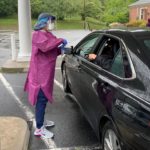
Buchanan, who’s based at Virginia Hospital Center, says that before every procedure they are using the Abbott ID Now test, which can give positive COVID-19 results in as few as five minutes. He also said that they are having every patient wait in their car until they’re ready for them to limit exposure between patients.
Moynihan says he knows that patients may still have apprehension and fear coming into a medical office, especially with COVID-19 cases still on the rise regionally. But he’s confident that Inova and practices across Virginia are doing what they can to make everyone feel safe enough to get the medical procedures that they need.
“It’s our job to reassure people… that we’ve taken those precautions,” says Moynihan. “We want to assure them that when they’re ready to have their surgery, we’re ready to take care of them in a safe way.”