Natalie Delgadillo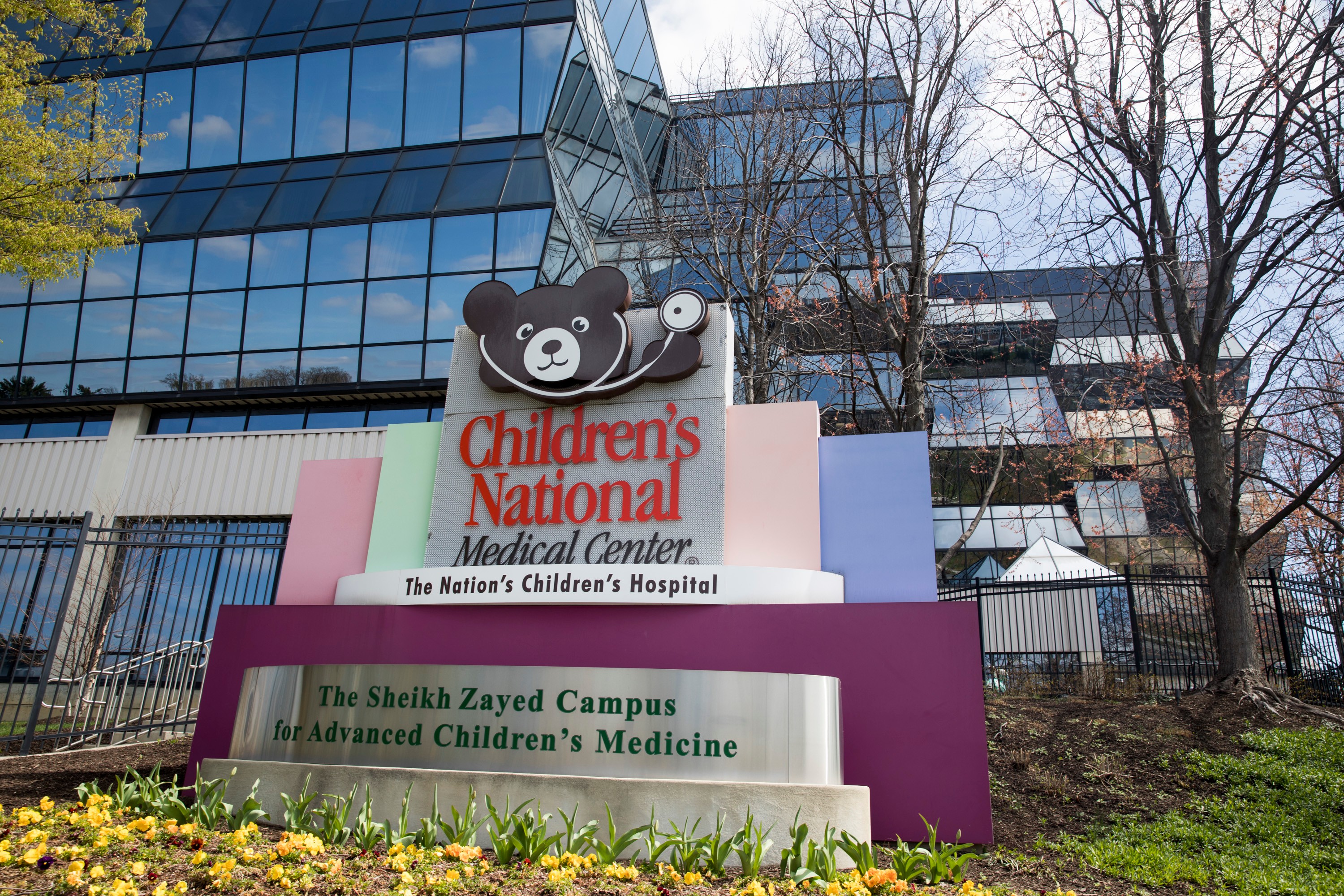
Update 5/13 6:36 p.m.:
Children’s National Hospital confirmed on Wednesday two additional cases of pediatric inflammatory multi-system syndrome, or PIMS, for a total of five.
Original:
The first case showed up about a month ago. The child arrived at Children’s National Hospital in the District with all the classic signs of a childhood inflammatory illness called Kawasaki disease, including a rash and a red, swollen tongue.
But in addition to these symptoms, he had another illness, one increasingly linked with a dangerous immune inflammatory response resembling Kawasaki disease: COVID-19.
“The first kid that came in here was at the exact right age—around 5 years of age,” Michael Bell, the hospital’s chief of critical care medicine, told the Washington Post. “He had classic symptoms of a rash, [swollen] lymph nodes, cracked lips, swollen tongue. And if COVID was not involved at all, we would have just said he had Kawasaki and that was it. But he tested positive for COVID in his first day here.”
At least three D.C.-area children have developed a rare condition linked to infection with the new coronavirus, staff at Children’s National Hospital have confirmed to DCist. The condition is called pediatric inflammatory multi-system syndrome, and doctors believe it occurs because of an overactive immune response to the coronavirus. It can be life-threatening for children, who otherwise tend to fare relatively well against COVID-19.
The syndrome resembles Kawasaki disease, which causes inflammation in the blood vessels and heart and can lead to aneurysms or heart attacks.
“Up until recently [this] wasn’t recognized as a part of COVID. Maybe a month ago, some pediatricians in Europe started noticing a similar syndrome, and then in New York, and now here,” says Charles Berul, the chief of cardiology at Children’s.
The Post was the first to report about the local cases, while NBC News was the first to report on the existence of a third case. Berul tells DCist that more children are being evaluated this week, but the hospital does not yet have confirmation of any new cases.
“Every pediatrician sees [Kawasaki disease] a few times a year, so it’s not that uncommon,” Bell told the Post. “But what’s uncommon now is with these patients coming in after being exposed to [the coronavirus], we’re seeing a much more severe form of it where people actually have Kawasaki disease as well as additional symptoms like shock.”
The children who have been diagnosed with the syndrome have been responding to treatment, Berul tells DCist, and all are currently stable. They are being treated with anti-inflammatory drugs and having their heart function closely monitored, since PIMS (like traditional Kawasaki) interferes with heart function.
When the coronavirus pandemic began, the prevailing wisdom among medical professionals was that the virus does not affect children with the same severity as adults. But new evidence, including the emergence of PIMS, is causing some professionals to reevaluate that view.
“For the most part, kids are tolerating COVID better than older adults, but we’ve certainly seen some serious cases,” says Berul. Through their testing site, Children’s has identified 230 pediatric cases of COVID-19. Of those, 60 have required hospitalization, and of that group, about 15 needed critical care, Berul says. Three of the hospitalized children have presented with PIMS.
At Children’s, patients younger than one and adolescents have more often presented with severe cases of COVID-19 than patients of other ages, according to a paper published in the Journal of Pediatrics.
The incidence of PIMS doesn’t appear to strictly correlate with the severity of illness, Berul tells DCist. The three patients who have it at Children’s weren’t the sickest COVID patients in the hospital, he says.
Still, Berul says that doctors are now recommending that parents with children who were hospitalized with COVID-19 should take them for a followup evaluation with a cardiologist after they’ve healed, just to ensure they’re not suffering from the syndrome.
“If their child gets COVID-like symptoms, we should think about whether there’s heart involvement,” Berul says. “On the other hand, parents don’t need to panic, because patients with the right treatment do well. All have survived. It’s just good to have it on their radar and to look for these kinds of things.”
This story has been updated to note that two more children were diagnosed with PIMS, for a total of five.