 Jordan Pascale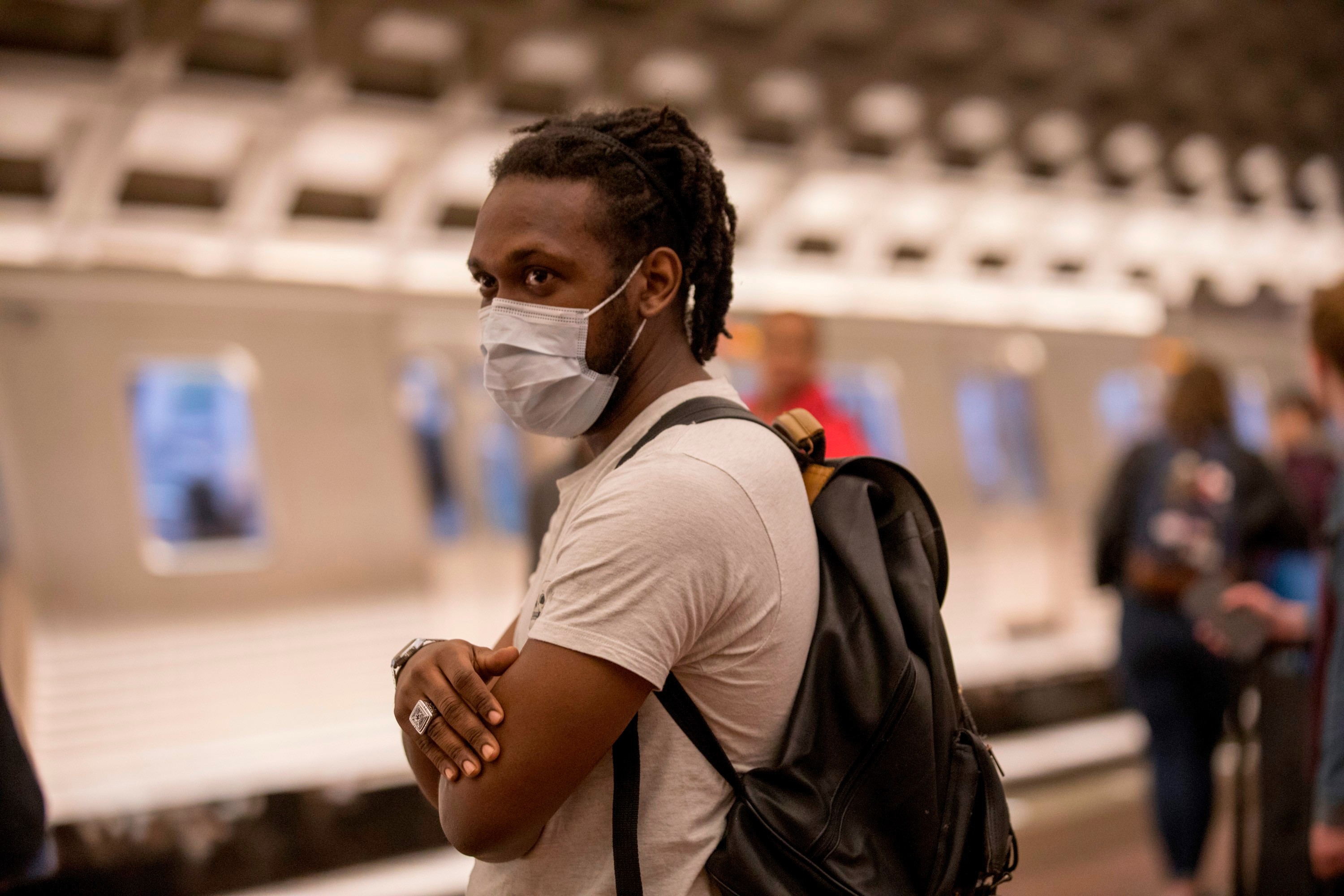
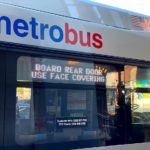
Metro will start requiring masks or a cloth face covering on buses and trains starting Monday, but enforcement won’t be heavy-handed, officials say.
WMATA General Manager Paul Wiedefeld said they decided to change the policy from recommending to requiring masks because it’s what riders expect and what the transit union wants. Plus, other jurisdictions, like D.C. and Maryland, are already doing so.
“We think it’s a social responsibility for people to do,” Wiedefeld said. “I think the vast majority of people will do it.”
He says masks will protect riders.
But Metro is weeks behind other major transit agencies in requiring masks:
- SEPTA (Philly): April 9 — no longer enforced
- MTA (NYC): April 17
- BART (SF): April 22
- MBTA (Boston): May 6
- Metro (LA): May 13
- WMATA (D.C.): May 18
WMATA officials have previously said they felt most people were voluntarily wearing masks so they didn’t feel the need to make them a requirement. But as Metro is trying to build rider confidence, it says a survey showed most people wanted to see everyone wearing masks before they would consider riding.
The agency may also have wanted to avoid disputes. In April, a man in Philadelphia was forcefully pulled off a transit vehicle by police for not wearing a mask. The video went viral and SEPTA reversed its mandatory mask policy.
“We’ve seen the videos of how this can go bad,” Wiedefeld said, admitting it can be tough to enforce and Metro doesn’t want to create conflict. “We’re not looking to write tickets or anything of that sort.”
He says Metro is checking its stockpile to see if it could hand out masks to riders who don’t bring their own.
Metro says it’s used 100,000 gallons of cleaning solution doing daily cleaning and disinfecting on all buses and trains and cleaning fare gates, fare machines, handrails, and more multiple times a day.
It’s called in contractors to do “responsive cleaning” after a presumptive positive COVID-19 case in the system nearly 200 times — 48 times in rail cars. But Metro officials say there are no known clusters or transmission among riders.
Metro Says Staffing Limits More Service
Many, including Metro board members Greg Slater and Steve McMillin, say they are concerned about keeping social distancing on buses and trains.
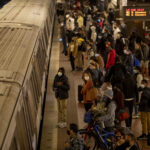
Buses are running far less often than normal, and while ridership is down more than 70%, buses on popular routes can still get full. Bus operators are instructed to skip stops if buses are too full, but then riders face another 20-30 minute wait. Metro did not have specific numbers on how many times stops have been skipped.
D.C.-based board member Stephanie Gidigbi said she knows essential workers who are facing long waits.
“Bus service is an essential lifeline,” Gidigbi said. She also wanted to make sure those people were having their opinions heard. Metro conducted rider surveys and focus groups, but officials said low-income and minority bus riders have so far been underrepresented in the research. Metro officials are sending postcards to those riders’ homes and asking them to fill out an online survey.
Metro has capacity for about 85,000 riders on its bus system while keeping social distance, but more than 120,000 trips a day are happening.
WMATA has tried to keep ahead of demand and meet the needs of the region, but officials say they can’t move staff quickly enough to meet demand. Schedule changes require new “picks” from union staff to choose hours.
Laura Mason, chief of rail infrastructure, maintenance, and engineering, says Metro did make some tweaks in March, like using longer articulated buses for more space and adding more buses to routes where possible. A list of improvements wasn’t immediately available.
“Our goal is to protect our workforce because if we don’t we won’t be able to provide any service,” Mason said. “So within those constraints, we’ve tried to make adjustments.
Mason said she understands the frustration and complaints of not wanting to be on a crowded bus. She said Metro is trying to offer the best service out there as fast as possible.
More changes will go into effect on June 7 when bus operators receive new assignments.