Nearly every job in the District has been upended by the coronavirus pandemic. Some people are working from their homes instead of going into an office; others have taken pay cuts or lost their jobs entirely. But there are plenty of people who are still doing their work in person, even as the world has changed dramatically. This series features the voices of the “still at workers,” telling us what their lives are like right now and what they wish other people knew about being an essential worker during a pandemic.
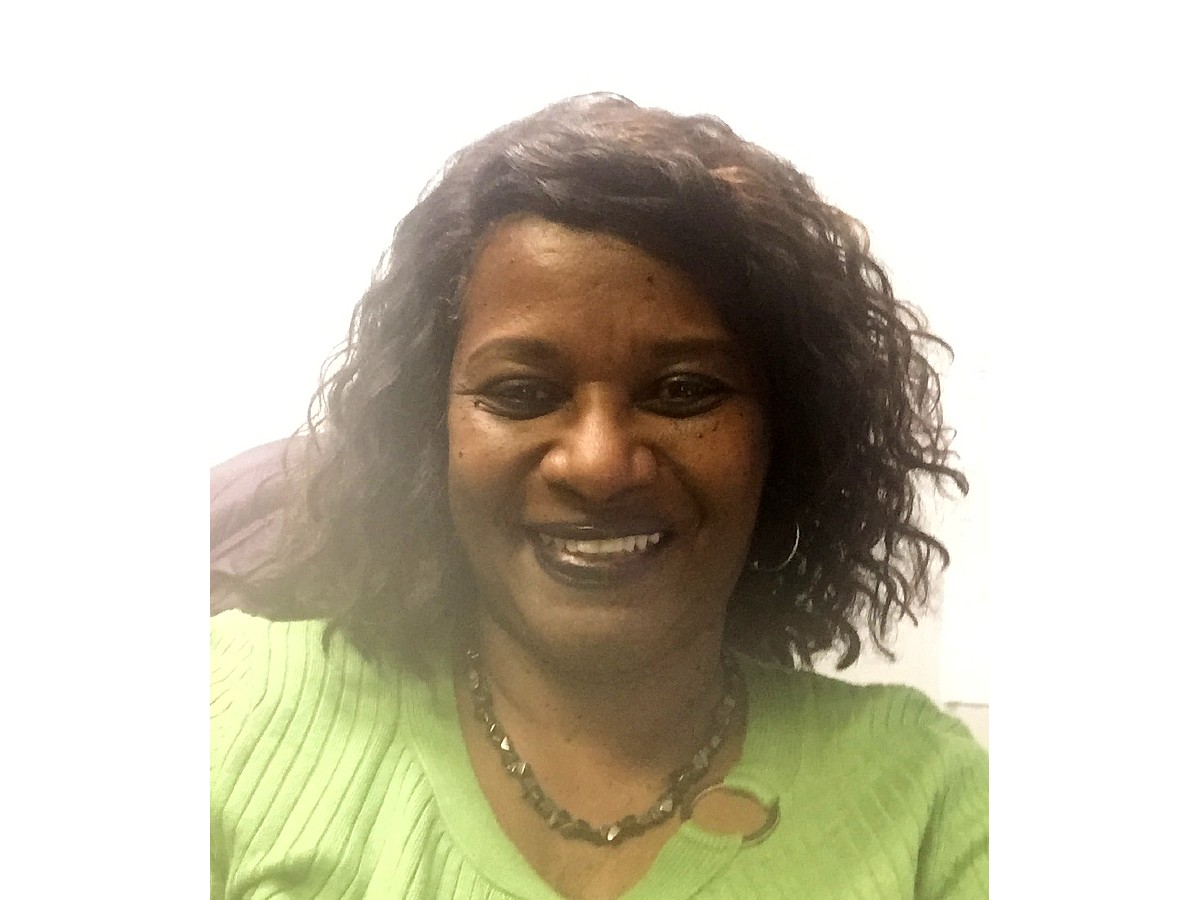
Brenda Lee, 58, is a home health aide with Home Care Partners, a non-profit home health agency based in D.C. She lives alone in Maryland and works three times a week in the Home Care Partners office. But twice a week, Lee drives to Northeast D.C. to care for elderly clients who need assistance in their homes, working with some of the people most vulnerable to COVID-19. As of May 25, 1,689 of D.C.’s 8,334 positive cases have been people over the age of 65.
This interview has been edited for length and clarity.
For those who don’t know, what does being a home health aide entail?
What it entails is providing care for elders who can’t care for themselves. Dealing with the Activities of Daily Living and companionship, and just interacting with them on a daily basis to make them feel more secure and comfortable in their homes.
There’s preparing meals, giving grooming, personal care, reminding about medication, light housekeeping, doing the laundry, you know.
What is your typical day like now?
Well, it’s a little more intimidating, making sure that I’m practicing CDC guidelines on protecting myself from getting the virus and also protecting others around me—that’s my clients. Making sure that I practice social distancing, more frequent hand washing and monitoring the clients, making sure they don’t show symptoms. It’s a little more intimidating than it was before this all took place.
What was a typical day like before all of this?
We were able to interact with the clients a little more. Sometimes I would give some of my clients a massage or get a little closer to them than I do now. It’s much different having to be aware of my surroundings when other people are around in the house, making sure that they’re protecting themselves as well as me from them.
How do you stay safe on the job?
We use disposable aprons, face masks, gloves, sanitizer. I wash my hands more. You wash them before you put on gloves, after you change gloves. After anything that I do, I wash my hands.
How has your family been affected by your work?
They support me for what I’m doing. But they all also tell me regularly to make sure I am safe, protect myself, and be careful. So, if I’m out there, I have to be extra cautious to make sure I don’t contract anything.
What do you want people to know about your job?
It is very stressful in these times because you have to make sure that you don’t affect the clients and then that you don’t get affected. It’s very emotional because I lost a client. She was in a nursing home before this happened, she contracted COVID-19. I lost her because of that. She was a client of mine for like five years. Just knowing that the elders are a little more vulnerable than the average healthy young person—this is emotional for me.
Are there ways that people can make your life easier?
The main thing is to follow the CDC guidelines on staying safe until we can overcome this situation.
Previous Still at Workers:
A Farmers Market Vendor Says Regulations On Markets Are ‘A Mistake’
A Cashier-Turned-Delivery Driver Misses Joking With Regulars
An Airport Wheelchair Attendant Worries About Paying Bills After Hours Were Cut