 Ruth Tam
On the ninth straight day of anti-racist protests in D.C., Washingtonians gathered around some of the District’s most popular sites for political demonstration.
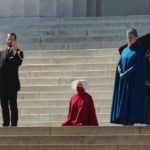
A group of Christians organized by the i5 City church gathered at the Lincoln Memorial to sing worship songs and pray for justice. Their voices—shouts of “Amen!” and chants of “No Justice No Peace”—filled the humid air as protesters gathered for a noontime “We Want Change” rally supported by Black Lives Matter’s D.C. Chapter.
D.C. resident Lisa, 55, who declined to give her last name, walked to the Lincoln Memorial early.
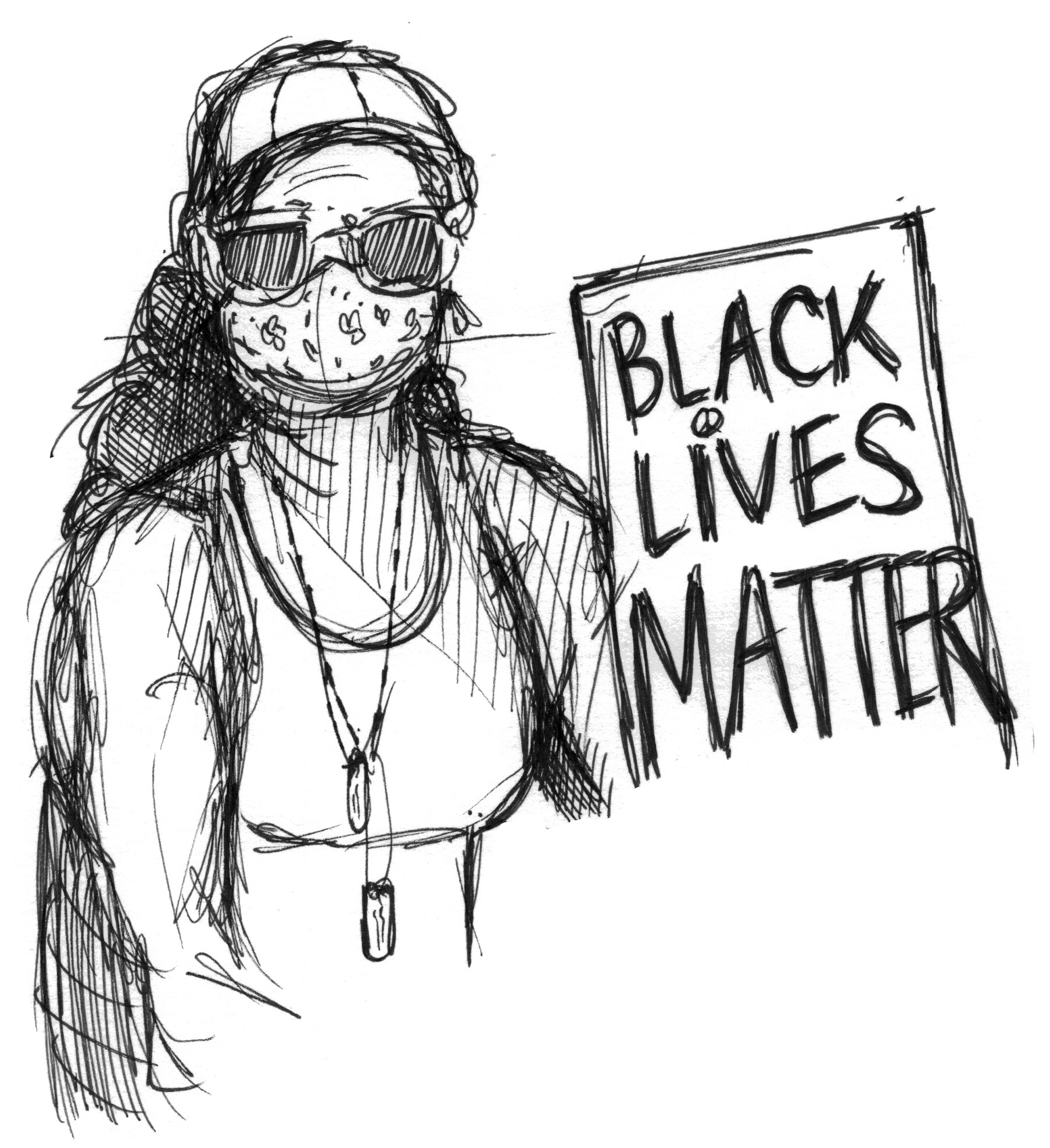
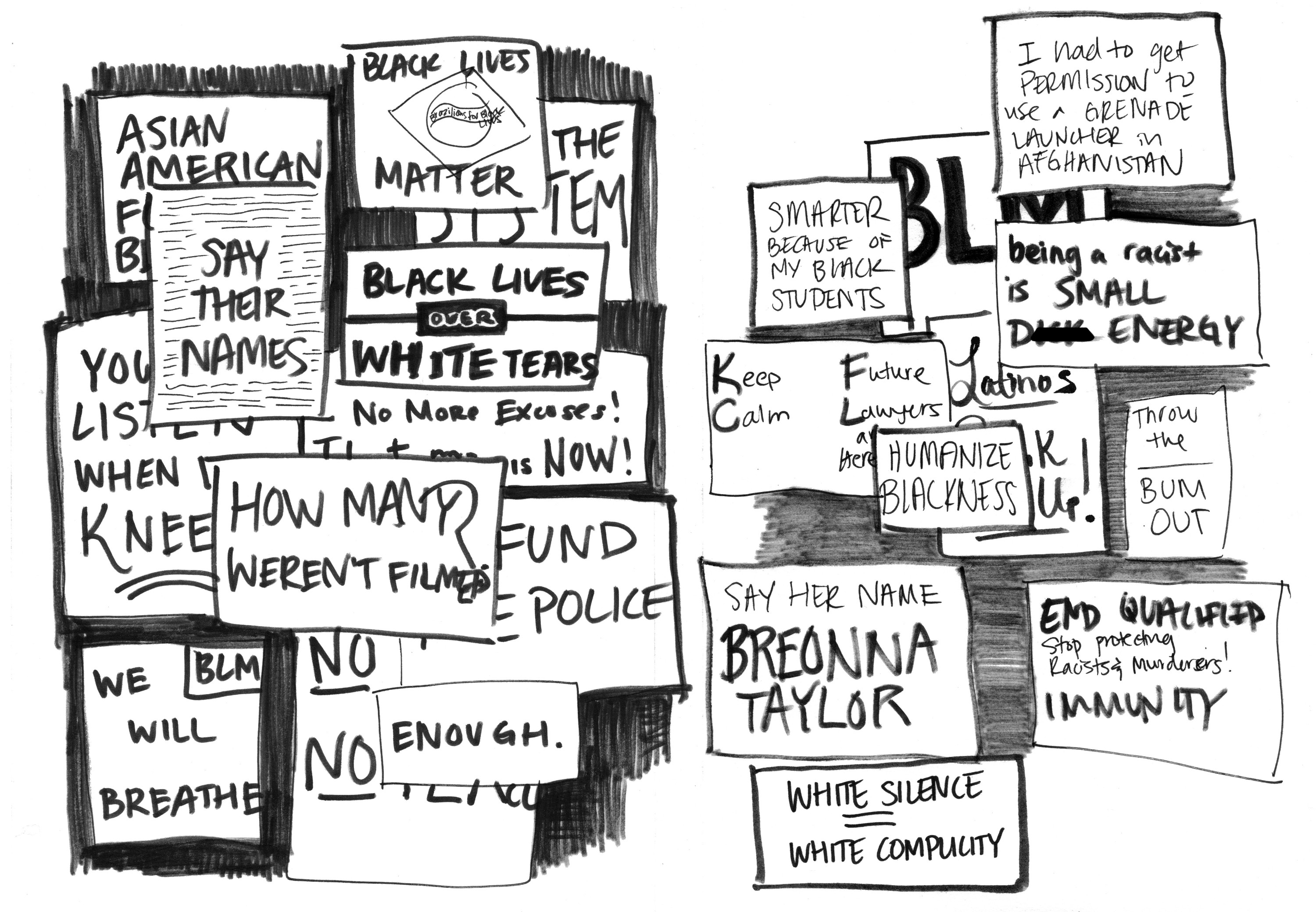
“This is an opportunity to participate in something publicly over something I’ve felt privately my whole life,” she said, holding a “Black Lives Matter” sign she made out of a file folder.
As an Air Force veteran, Lisa said she disapproves of President Trump’s deployment of the National Guard—and assorted federal law enforcement agencies—to police protests.
“They should be here in a helping capacity,” she said.
But, she added, she did see one National Guardsman offering water to protesters. It’s these moments, and the recent decision to remove the Robert E. Lee statue in Richmond, Va., that give her hope.
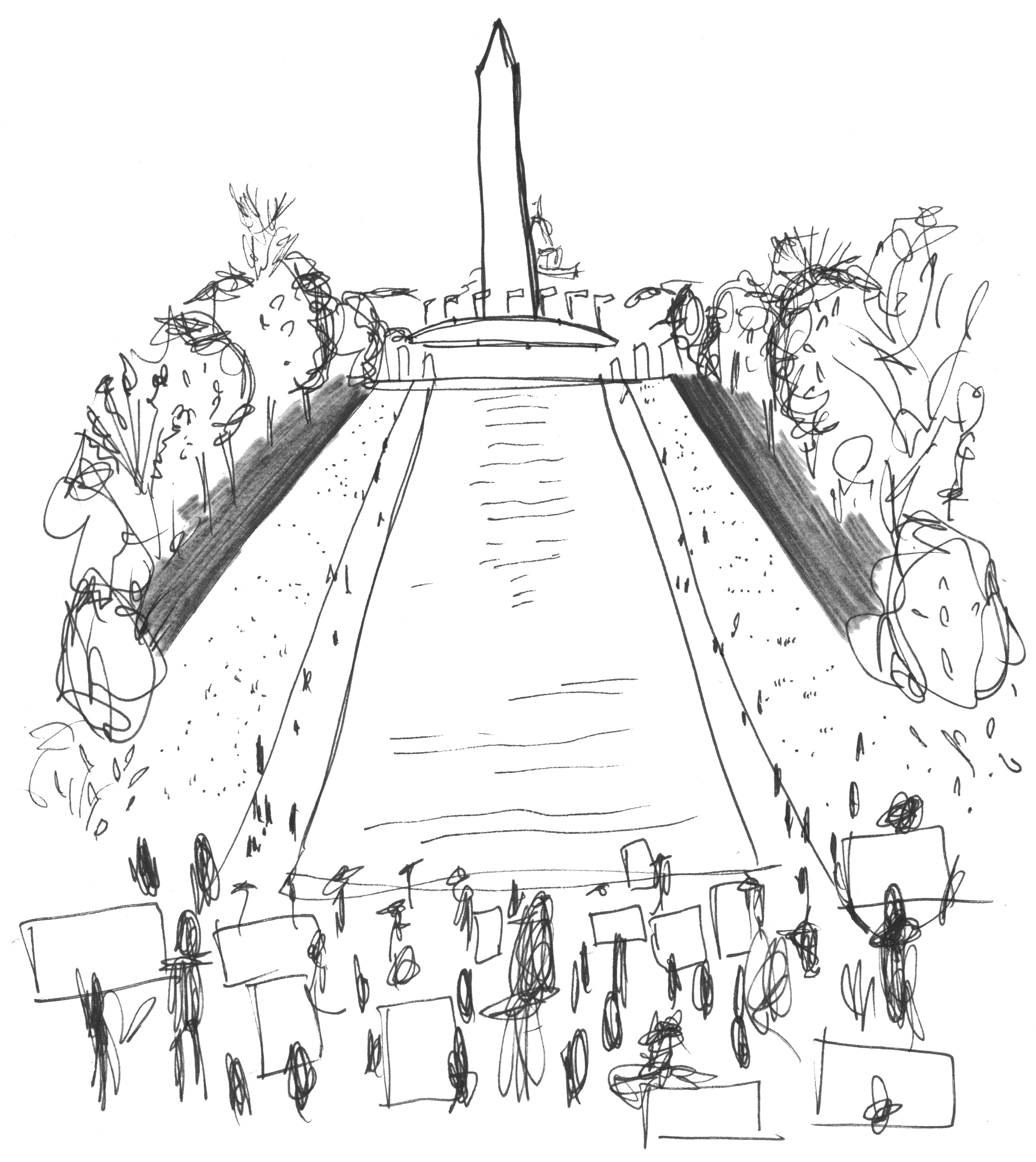
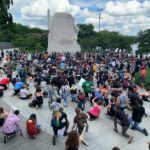
As noon approached, the hundreds of protesters who gathered quietly in the morning became thousands. When the rally began, they listened, chanted and clapped for readings and performances of slam poetry.
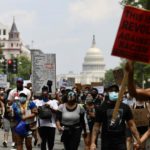
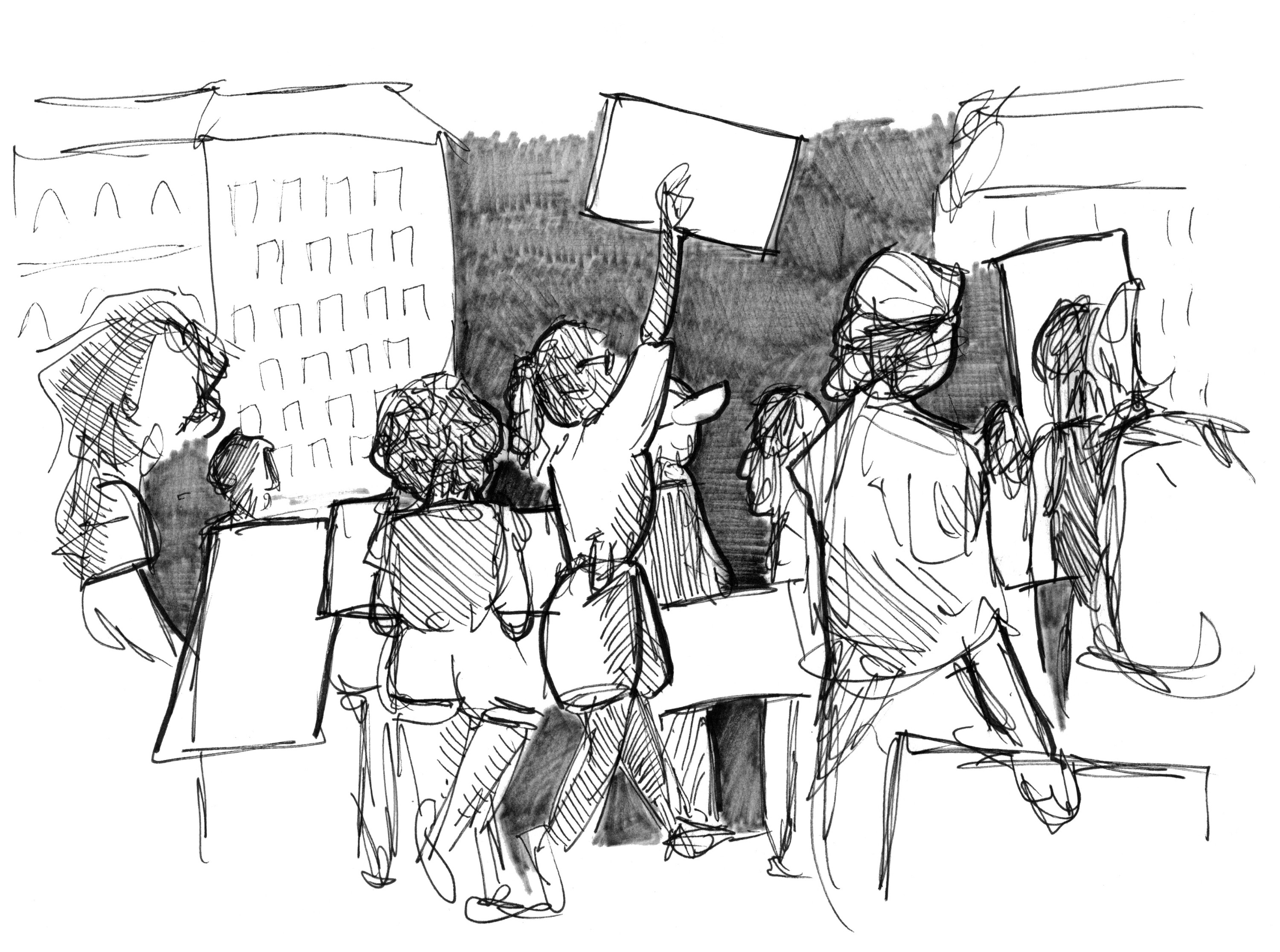
For the rest of the day, protesters from many separate groups traversed the National Mall and downtown D.C. in packs of hundreds. While there were several organized movements, events and speeches scheduled throughout the day at Lafayette Square, Capitol Hill, the Martin Luther King Jr. Memorial, the Lincoln Memorial and the newly-renamed Black Lives Matter Plaza, Saturday’s gatherings felt largely organic—crowds of activists threaded through the District’s landmarks from different directions, circling and criss-crossing places of power.
For J.K. Phenix, 22, the topic on his mind was poverty. Phenix grew up in a segregated part of Atlanta, where he attended “black schools, black church, black everything.” He said he didn’t know a white person until college. Now, in his first job out of school, he promotes black businesses through a D.C. lobbying firm. But, he said, he doesn’t feel like his white colleagues see him.
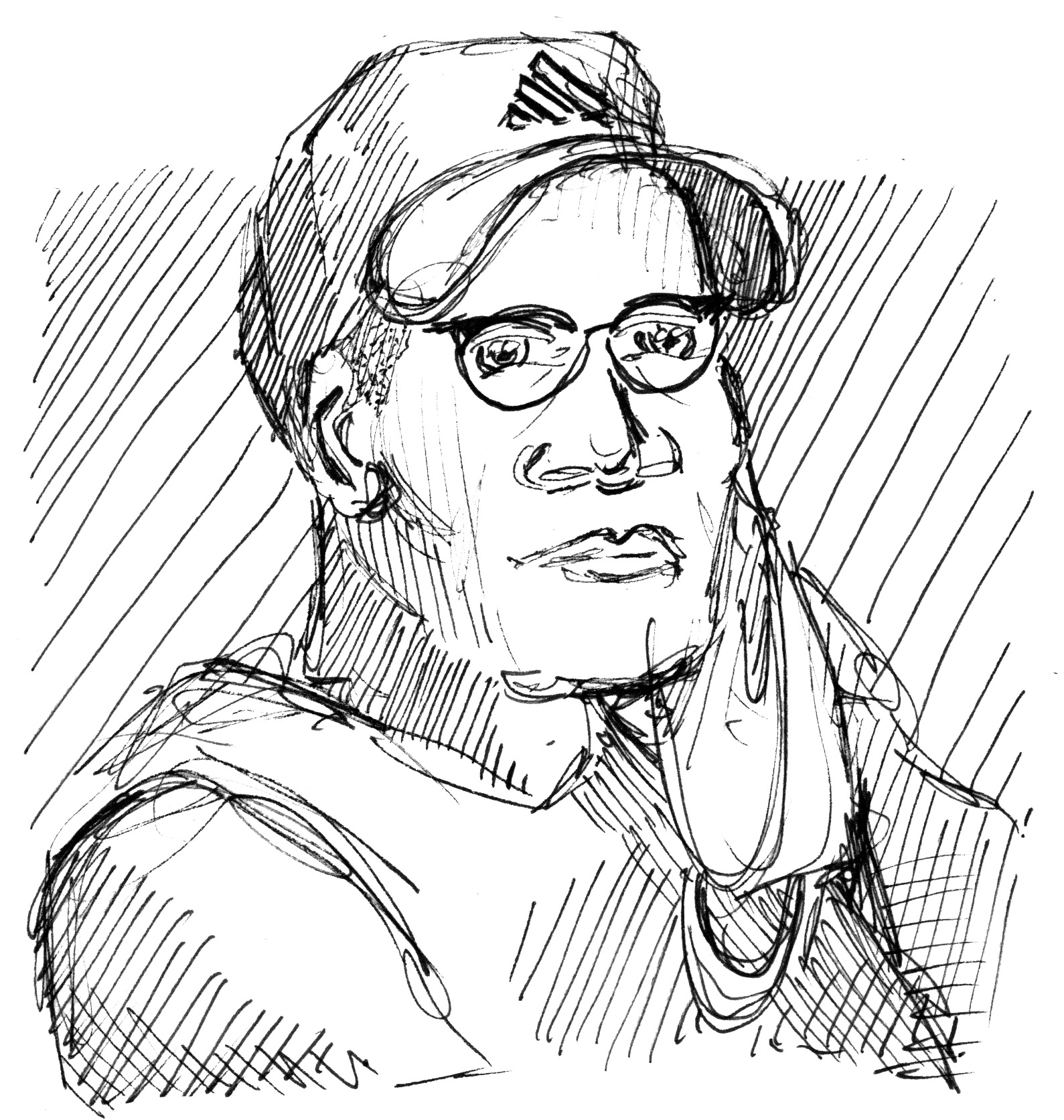
“I don’t blame Donald Trump,” he said – seemingly referencing the many protest signs that called for the president’s removal from office. “It’s hard being in the Democratic Party that treats you as a voting bloc. It’s hard being black in America. It’s hard being poor in America.”
Phenix hoped everyone at the protests would scrutinize other systems beyond police brutality.
“We can’t have this contemporaneous conversation about racism without talking about economic inequality,” he said.
Near the U.S. Capitol at Constitution and 3rd Street, N.W., sign spinners twirling signs reading “Black Lives Matter” and “Never Forget” drew the delight of those passing through.
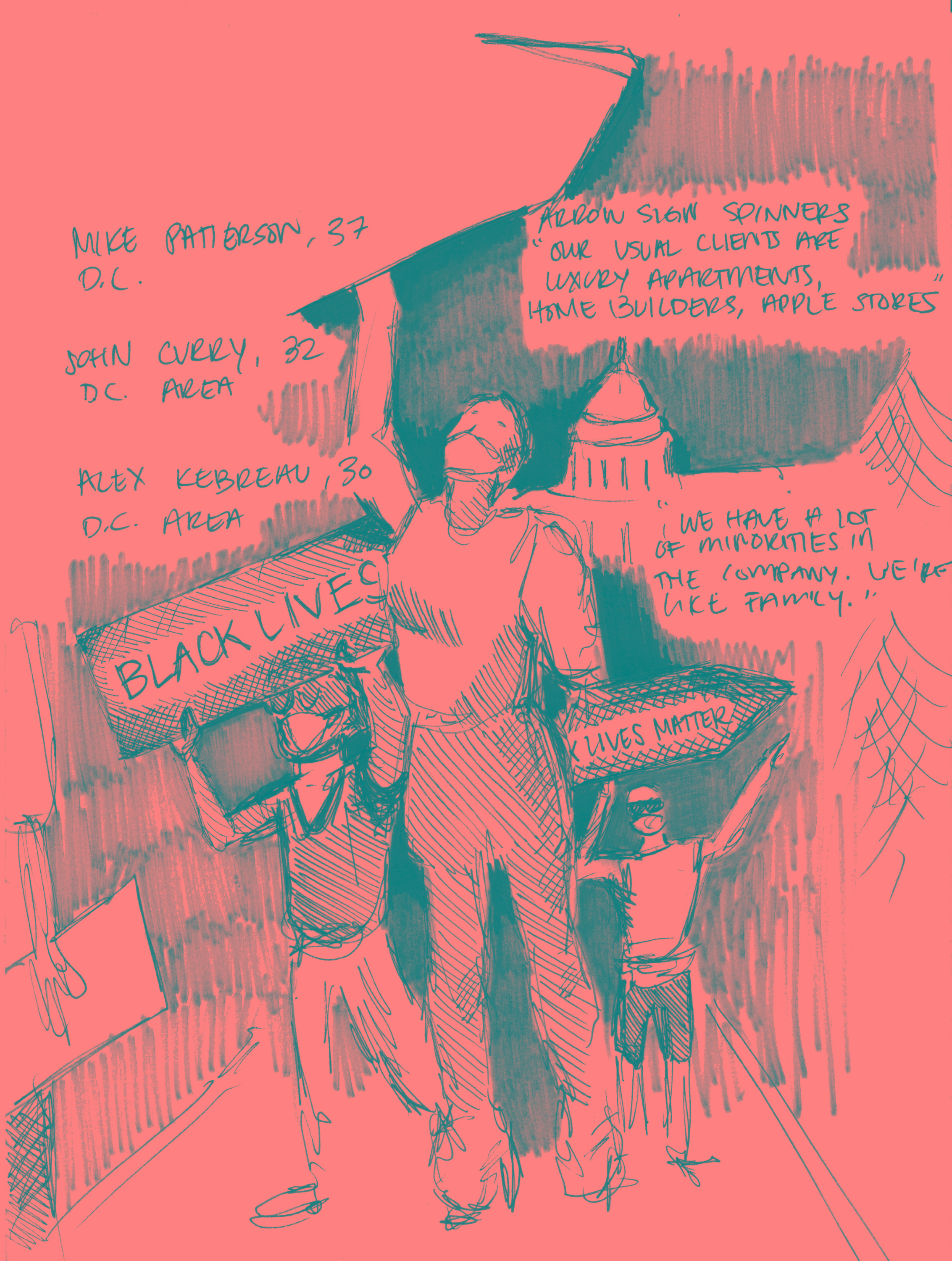
Protesters who had joined demonstrations earlier in the week said the day felt not just more peaceful, but flat-out joyful. Later in the afternoon, a go-go show at the Masonic temple on 16th Street and a drum circle at Black Lives Matter Plaza both drew big crowds.
After a long week of demonstrations, Saturday’s many gatherings marked a shift in energy. One that will carry D.C. into yet another day of protest.